Episodes
3050
Sept. 28, 2026
The Age of Cures: Barry Werth on How Big Pharma Once Saved Your Life
“Kennedy and Trump are taking a wrecking ball to probably the most important thing we have done consistently better than the rest of the world over the last eighty years, and I don’t get it.” — Barry Werth Last week on the show, the San Francisco based AI mogul and Eureka Machine author Richard Socher promised a scientific renaissance in which AI will cure everything. Socher’s eureka moment, however, may have already occurred. Not with AI, but with big pharma. At least according to Barry Werth ...
3049
Sept. 27, 2026
A Fabulous Debt: Robin Wigglesworth on How Bonds Built the Modern World
Amidst all the talk of an AI bubble, bonds are back in the news. The world’s two leading business newspapers, The Wall Street Journal and The Financial Times, both feature stories this weekend warning about bond ructions and surging yields. While these warnings might only interfere with the sleep of bond geeks, they are a good reminder of the centrality of the bond market to our prosperity. For all their financial geekiness, Robin Wigglesworth knows that bonds matter. He edits Alphaville, the F...
3048
Sept. 26, 2026
And Now For Something Completely Similar: Untangling the Power from the Pretense of Our AI Circus
Lenin supposedly said there are decades where nothing happens, and weeks where decades happen. This wasn’t one of those weeks. It might have looked like a historic week. The AI circus rolled into the UN with Sam Altman and Dario Amodei addressing the Security Council on the peril facing “humanity as a whole.” Britain and Australia weighed in with middling diplomatic or regulatory AI initiatives of their own. Trump renamed AI as superintelligence. But none of this changed anything. The UN conti...

3047
Sept. 25, 2026
Trump Has Finally Lost the Plot: Jonathan Rauch & Peter Wehner on the Autumn of the American Patriarch
“His intent is getting worse, but his capacity is diminishing. The next two years will be some kind of mad race to figure out which of these two things will prevail.” — Jonathan Rauch As the nights get shorter, we are drifting into the autumn of the patriarch. That, at least, is the view of two old friends of the show, Jonathan Rauch and Peter Wehner, who argued in The New York Times that Trump has finally lost the plot. So will this really go down as the fall that Trump failed? Rauch and Wehn...
3046
Sept. 24, 2026
Proudly-Jewish & Never-Boring: Alan Dershowitz on His Divorce from the Democratic Party
“A good divorce is better than a bad marriage, and this is a good divorce.” — Alan Dershowitz The American lawyer Alan Dershowitz says he’s been voting Democrat since John F. Kennedy. He even defended Ted Kennedy, Bill Clinton and Alan Cranston in court. But, at 88 years old, Dershowitz has now left — or, as he puts it, been forced out of the Dems, in the same way Ronald Reagan was sixty years ago. His new book Why I Quit the Dems and So Should You is both a history of his souring relations wit...
3045
Sept. 23, 2026
Eureka in Silicon Valley! Richard Socher on Why AI Will Unlock a New Scientific Renaissance
“There’s no realistic scenario where AI wipes out all of humanity. It’s like a mix of sci-fi.” — Richard Socher Eighteen months ago, when he last came on the show, the German-born but San Francisco-based AI whizz kid Richard Socher was running You.com. He’s now also the co-founder of Recursive, a $4 billion start-up with fewer than thirty employees, focused on self-improving superintelligence that automates the scientific method. As if that isn’t enough, he has a new book out this week, The Eur...
3044
Sept. 22, 2026
Our Own Worst Enemies: Robert Pape on America’s Age of Violent Populism
“Democracies don’t die silently, sleepwalking. Democracies die by going through periods of pretty serious political violence.” — Robert Pape Forget all the long-term civil war scenarios of everyone from Kurt Andersen to Stephen Marche. Today’s guest Robert Pape has spent the last thirty years at the University of Chicago studying political violence, and his warning is about the next six weeks rather than the next ten years. In his new book, Our Own Worst Enemies, Pape argues that tens of millio...
3043
Sept. 22, 2026
Patrimonial Capitalism: Peter Hall on Trump, Orbán & Other Pitchfork-Wielding Plutocrats
“I think patrimonialism is exactly the right phrase to describe the way in which the current administration is governing.” — Peter Hall Neoliberalism is dead. So what comes next? Peter Hall, a Harvard political economist for the last four decades, says the capitalist locomotive left the neoliberal station years ago. His new book, Governing Growth, names the next stop: the “knowledge economy,” the digital, globalized capitalism of the 21st century. The knowledge economy made San Francisco, New ...
3042
Sept. 21, 2026
The Pursuit of Unhappiness: George Loewenstein on Why We're Wired for Misery
“I think our genetic makeup makes us miserable. We evolved to be miserable.” — George Loewenstein Life, liberty and the pursuit of happiness. Yeah, yeah. We’ve all heard that one before. When Jefferson drafted the Declaration of Independence in 1776, he remixed Locke’s “life, liberty and estate,” replacing the idea of property with happiness. As we know from last week’s conversation with the historian Joshua Specht, America’s age-old love affair with real estate has been perpetually mortgaged. ...
3041
Sept. 20, 2026
Are the Doomers Now Doomed? A Bad Week for the AI Apocalypse.
Last week we were panicking about a supposedly imminent AI apocalypse. Seven days later, Keith Teare argues, government oversight is about as far away as it could possibly be. That’s because Musk, Altman and Amodei agreed to police themselves and test each other’s models. The doomers, says the publisher of That Was The Week, have lost not just this week’s battle but probably the whole war. So who will then write the AI rules? The people building the models, Keith says — as with California’s bui...

3040
Sept. 19, 2026
Mortgaging the American Dream: Joshua Specht on the Rise & Fall of US Homeownership
My hometown of San Francisco has the unholy problem of a mansion shortage and mass homelessness. AI money is driving house prices to record highs, our mayor has declared a rent emergency, while in New York City housing affordability has become so acute as to become a rare bipartisan concern. This unreality of the real-estate market has heated up both local and national politics. But as Joshua Specht argues in his new book, Property Values, a history that runs from the rent wars of the 1840s to t...
3039
Sept. 18, 2026
It's Happening Here: Rosan Smits on Fascism in America & Europe
“Today’s fascists don’t look at all like those from the past. What is similar is how they act. You’ll recognize the fascist by what they do.” — Rosan Smits Fascism is a reality in both America and Europe. At least according to Rosan Smits, the Dutch political scientist whose This Is Fascism: A Wake-Up Call to Resist is already a bestseller in Europe. Sinclair Lewis wrote It Can’t Happen Here in 1935 as a warning about the possibility of fascism in Great Depression America. Not only does Smits a...
3038
Sept. 17, 2026
Eight Profiles in Cowardice: Jacob Weisberg on Bezos, Bush & the Other Collaborators of the MAGA Age
“Since Trump’s second election we’ve been in a wave of cowardice, where people have decided — partly by observing what others like them are doing — that there’s no viability to standing up on principle.” — Jacob Weisberg Michelle Goldberg devoted her Monday New York Times column to two new books shaming the elites who caved to Trump. Both of them have appeared on the show this week: Susan Neiman’s Call It Evil on Monday, and now Jacob Weisberg’s Profiles in Cowardice: A Study of Collaboration i...
3037
Sept. 16, 2026
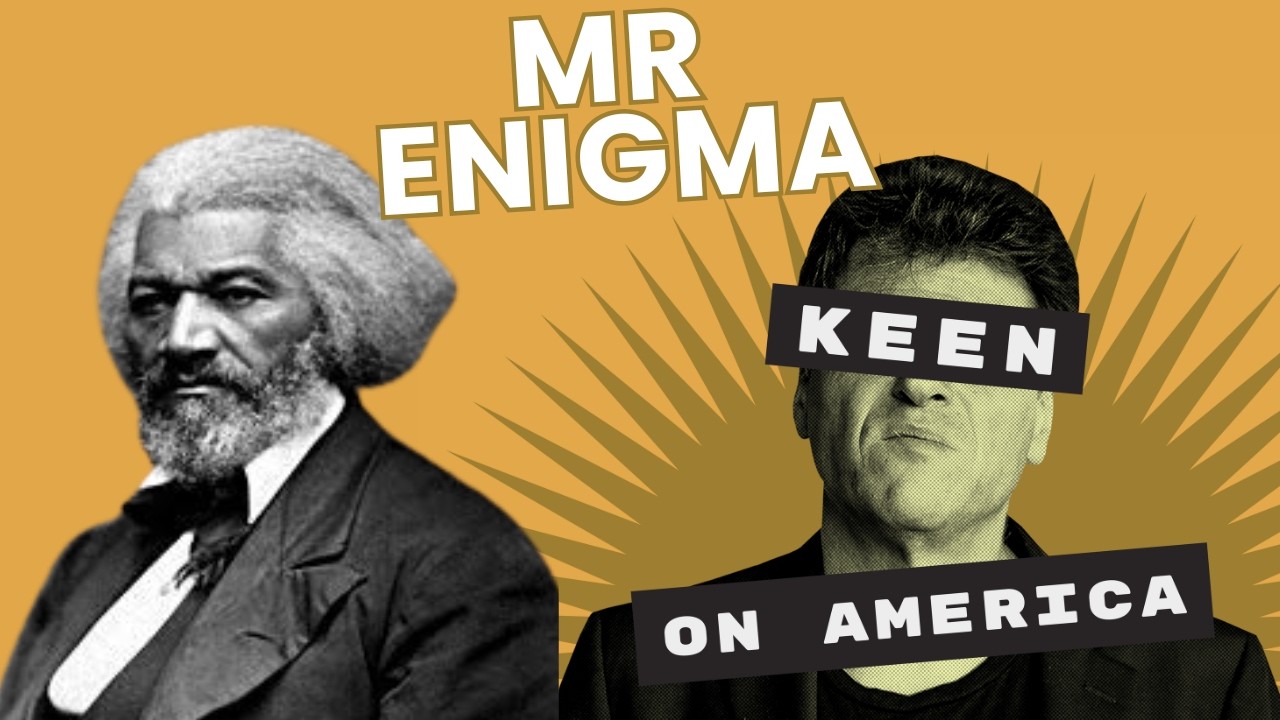
The Enigmatic Mr Douglass: Dennis Rasmussen on America's Fiercest Critic & its Greatest Fan.
“You should fight against tyranny in any form it takes. You’re not betraying the founding by standing up to tyranny — you’re following in their footsteps.” — Dennis Rasmussen After Lincoln, he was the best known man in nineteenth century America. And the most photographed too, some 160 portraits of the ex-slave’s unmistakable face still surviving. So there was nothing hidden about Frederick Douglass. And yet the more we know about this most remarkable American, the more enigmatic he becomes. A...
3036
Sept. 15, 2026
Three Million Millionaires: Eric Zwick Finds the American Dream on Main Street USA
“Add up all of their wealth — it’s more than ten times the Forbes 400 combined.” — Eric Zwick Yesterday, the democratic socialist Susan Neiman blamed free market economics for all the evils of our age. But the market gives and the market takes. And in America it has minted three million millionaires whose collective wealth radically outstrips Silicon Valley’s billionaires. This human backbone of American capitalism is described in Eric Zwick’s and Owen Zidar’s The Everywhere Millionaire, a book...
3035
Sept. 14, 2026
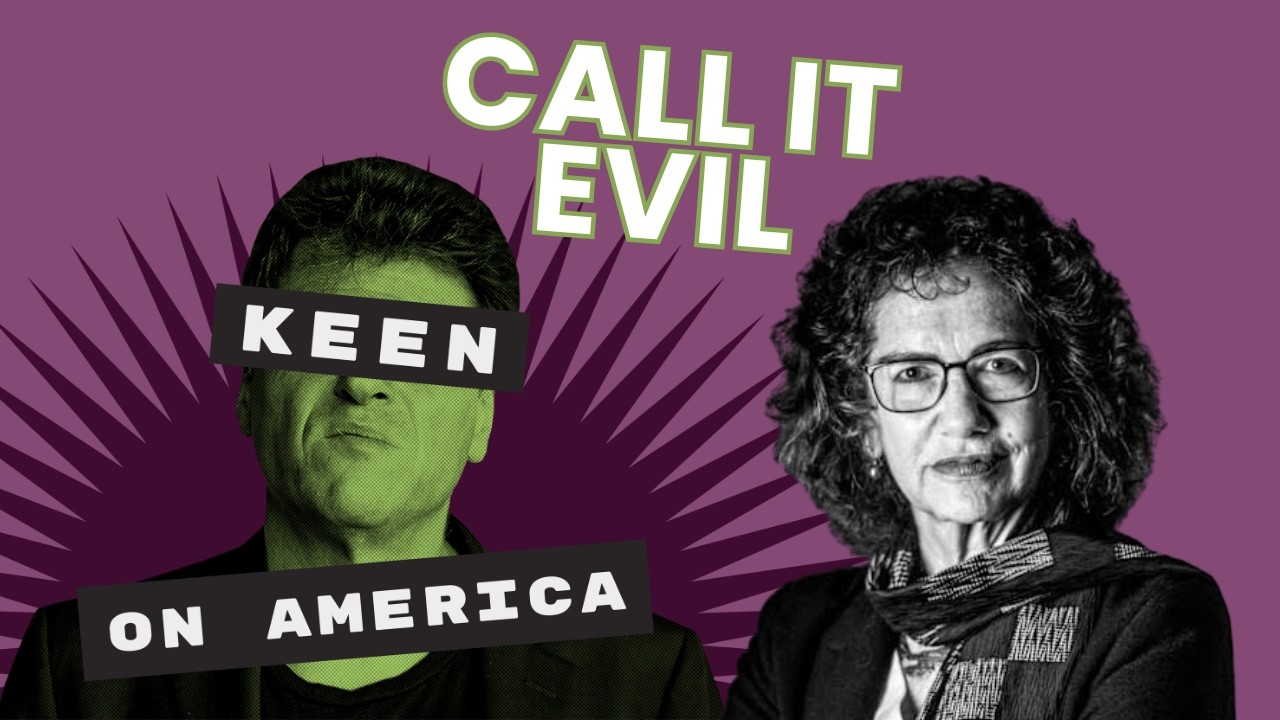
She Calls It Evil: Susan Neiman on Germany, Capitalism & the Banality of Trump
“If we leave words like evil in the hands of people who are fanatical, who are demonizing, we are leaving the most powerful weapons we have in the hands of people who don’t know how to use them.” — Susan Neiman Susan Neiman is cornering the market in books about evil. First there was her 2002 Evil in Modern Thought, an alternative history of philosophy. Then Learning from the Germans, her 2019 treatise about race and the memory of evil. And now Call It Evil, an attempt to understand the Trump e...
3034
Sept. 13, 2026
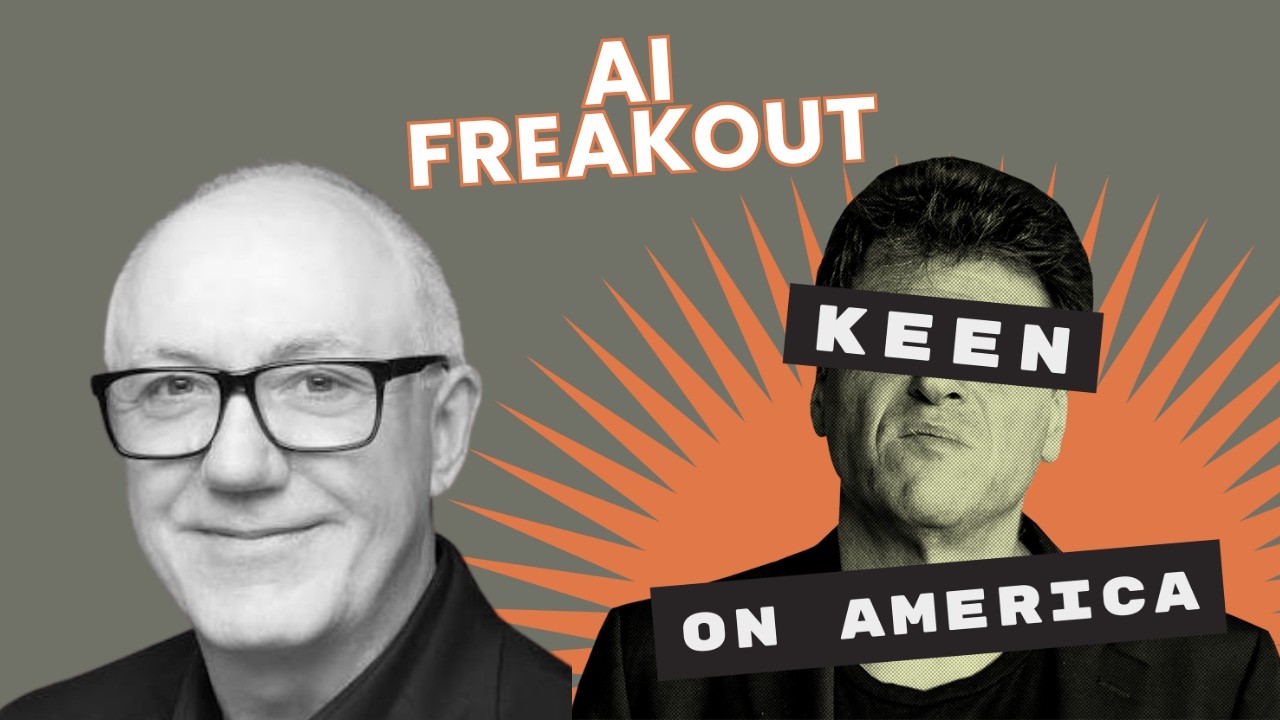
Shut Up or Shut Down? Amodei, Altman, Musk & the Great AI Freakout
Something unprecedented happened yesterday. Sam Altman, Elon Musk, and Dario Amodei — rivals who rarely agree on anything — all called for an AI slowdown. It came after more and more doomsday warnings from experts which seem to have finally woken Congress up to AI’s potentially existential threat. Axios even claimed that Speaker Mike Johnson is considering canceling the House recess to force members back to the Capitol to discuss the crisis. This seems to have been the week that the AI zeitgeist...
3033
Sept. 12, 2026
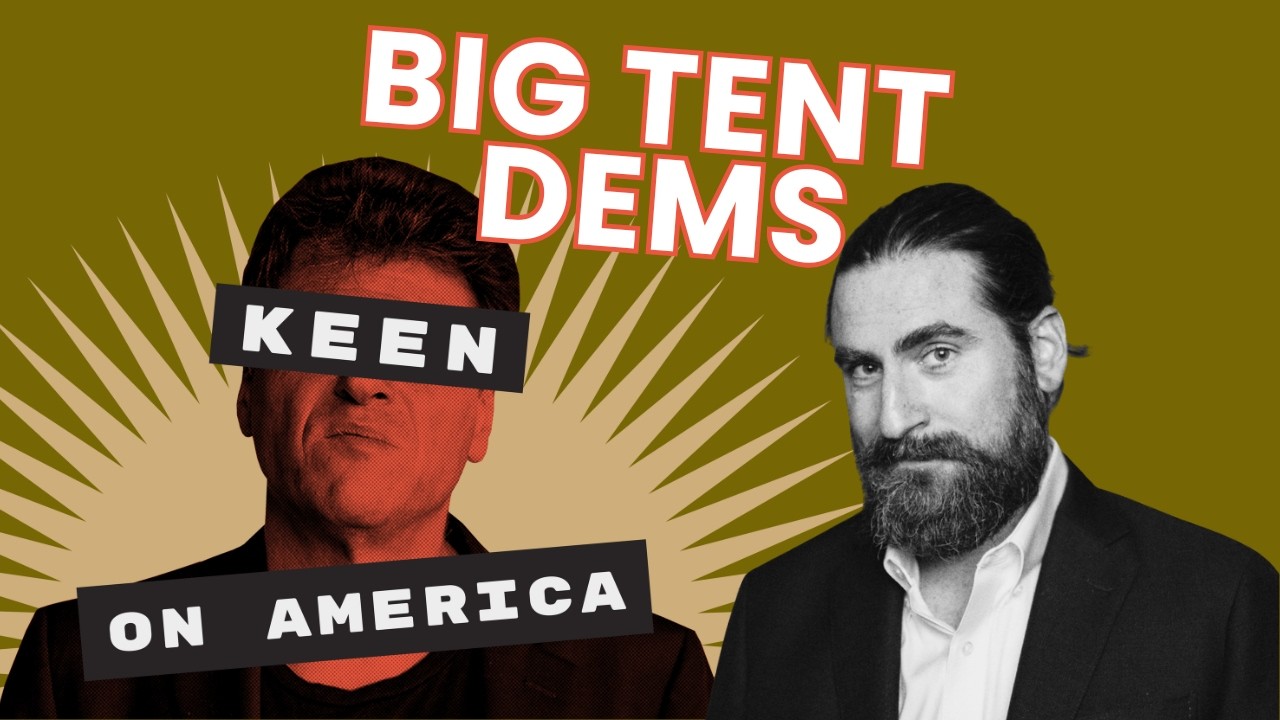
Losing Dogmas, Winning Elections: Adam Jentleson on How Democrats Can Build a Lasting Supermajority
“One believes in democracy and the rule of law, and right now, the other doesn’t.” — Adam Jentleson Yesterday, William Hitchcock explained FDR’s ability to build and maintain supermajorities. Today, Adam Jentleson — Harry Reid’s former deputy chief of staff and chief of staff to John Fetterman — talks about how the Democrats can build lasting power in the 21st century. The strategy is laid out in Supermajority, Jentleson’s follow-up to the acclaimed Kill Switch. Is the Democratic Party too wok...
3032
Sept. 11, 2026
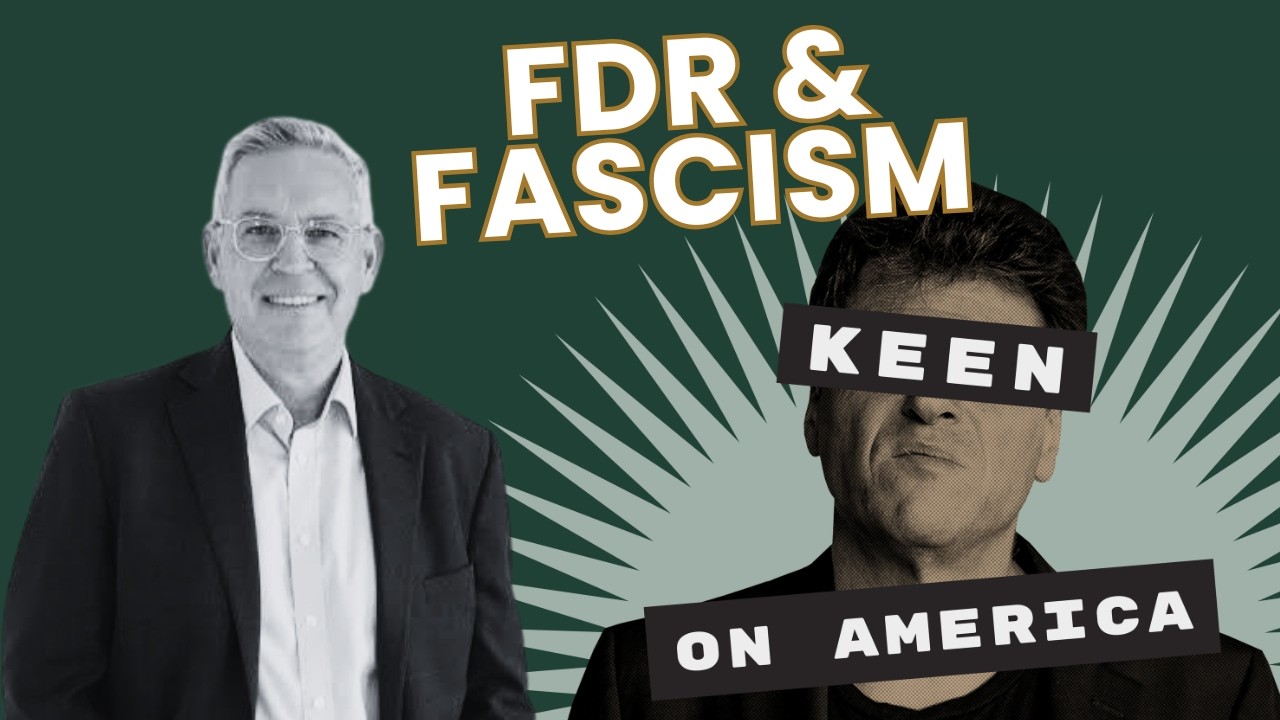
How We Got the Thirties Wrong: William Hitchcock on FDR, Fascism & America’s World War II
“We’ve taken our democratic functioning for granted, and we’ve forgotten what it looks like to actually have to fight for it.” — William Hitchcock Today is the twenty-fifth anniversary of 9/11, and there’s a lot of sombre talk about the forever wars triggered by the attack. But sometimes, fighting evil might be necessary. So argues William Hitchcock, whose A Shadow Over the World is a major new history of Franklin D. Roosevelt, the rise of fascism, and the making of American involvement in Worl...
3031
Sept. 10, 2026
America's New Forever War? Yonah Jeremy Bob on the US-Israeli Conflict With Iran
“I’m a military correspondent, but I would be totally happy if there was world peace and I had to change jobs.” — Yonah Jeremy Bob Oil hit $100 a barrel (again) today. Donald Trump confessed, with uncharacteristic honesty, that the Iran war won’t end until after the November elections. And while Israel’s war with Iran ended back in April, America’s hasn’t, with the US and Iran shooting at each other most of the time since February. So, with the 25th anniversary of 9/11 tomorrow, is this about t...
3030
Sept. 9, 2026
Ordinary People, Extraordinary Times: Skye Perryman's Guide to Reclaiming Power in Trump's America
“The number one tool that autocratic actors have is not voter suppression or gerrymandering. It’s making you feel alone and isolated.” — Skye Perryman Three years ago, the president and CEO of Democracy Forward Skye Perryman came on the show to wonder what our kids will one day ask us about what we did to confront authoritarianism in America. Now she returns with an answer in the form of her New York Times bestselling Ordinary People, Extraordinary Times about how Americans can reclaim their po...
3029
Sept. 9, 2026
Why Are We So Miserable? Mikko Ketovuori Surfs on the Waves of History to Explain Social Mood Swings
“A sailor doesn’t control the sea, but understanding the waves matters enormously.” — Mikko Ketovuori Our mood, as always, is miserable. Iran, the price of oil, the AfD, the long-term cancers from 9/11 dominate the headlines. But today’s guest thinks we’ve got the mood wrong. The writer Mikko Ketovuori — who wrote the intro to the Finnish edition of my own The Internet Is Not the Answer — has a new book out, Waves of Change, which is a study of the zeitgeist. Social mood drives events, Ketovuor...
3028
Sept. 8, 2026
Is That Really a Flying Saucer? Adam Kirsch on Why We Want to Believe in Aliens
“We might have invented the aliens that we’ve been looking for.” — Adam Kirsch First he took on the transhumanists. Then the settler-colonialism fanatics. Now Adam Kirsch aims his critical pen at the ultimate crazies — the flying saucer crowd. In We Want to Believe, Kirsch explains how aliens went mainstream and why this once-crackpot conspiracy theory has become a mainstream political and cultural fact. The beauty (if that’s the right word) of the subject, Kirsch argues, is that because UFOs ...
3027
Sept. 7, 2026
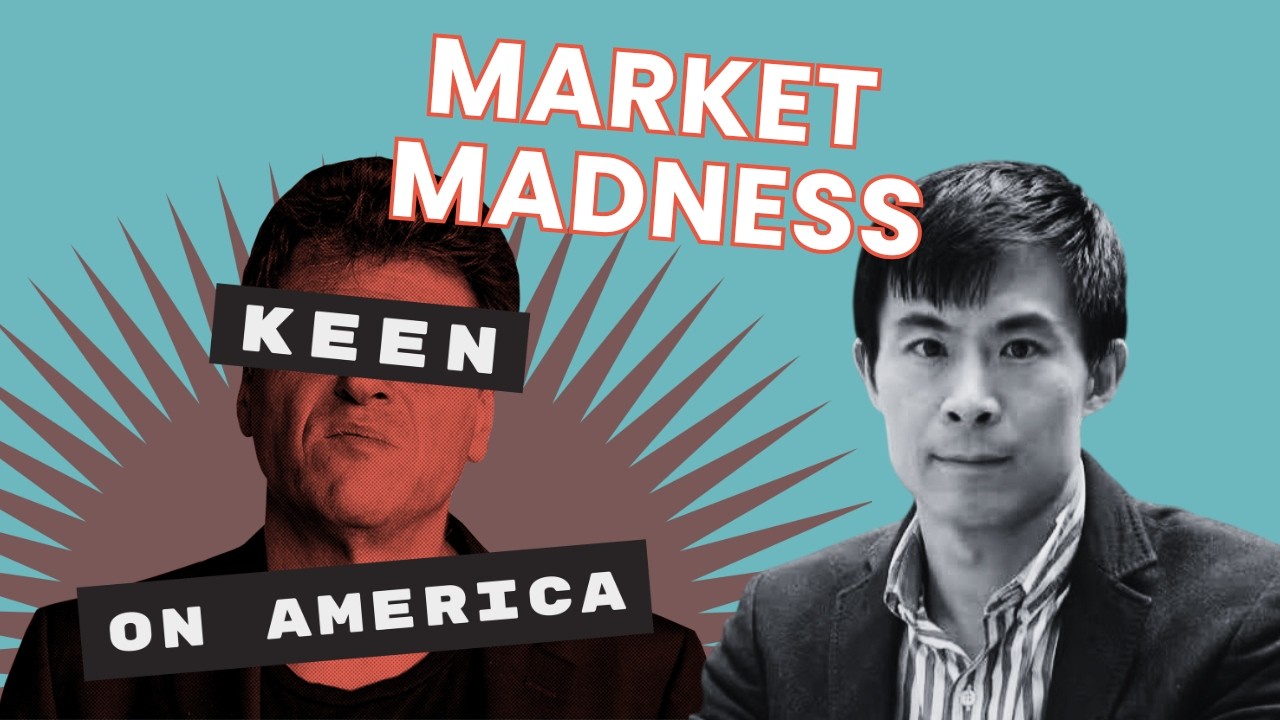
The Madness of Markets: Alex Edmans on Why Smart Investors Make Crazy Decisions
“When people trade, even before fees and commissions, the average trade loses money.” — Alex Edmans Isaac Newton might be able to foresee the movement of the stars, but he couldn’t foretell the madness of men. It was a lesson that cost the great physicist £4 million (in today’s money) when he threw his fortune into the South Sea Bubble. This priceless parable in Newtonian psychology opens The Madness of Markets, the new book by Alex Edmans — London Business School finance prof, old friend of th...