Why Volodymyr Zelensky Is the World’s Only Living Statesman: Steven B. Smith on the Leadership America Lacks
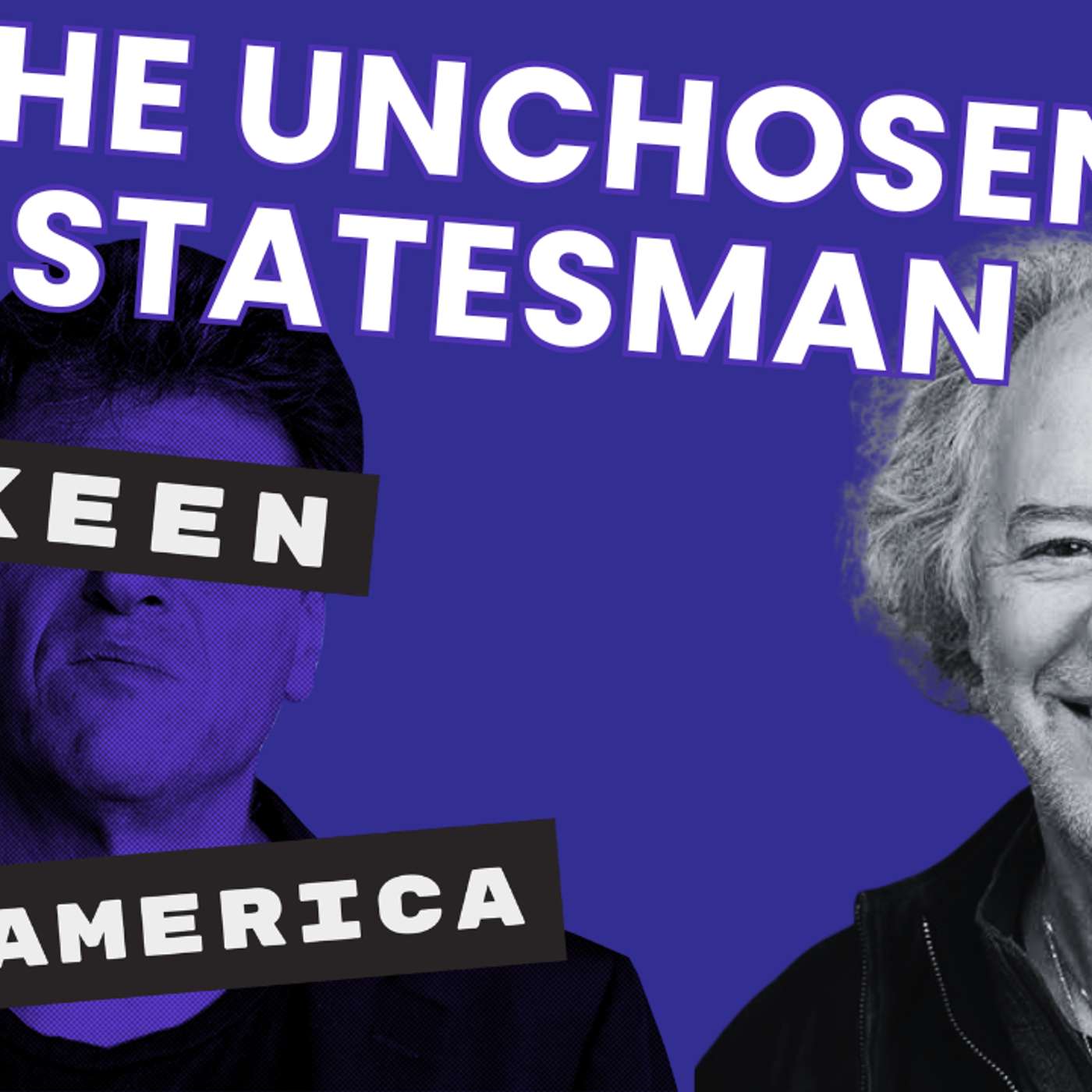


“The statesman is an educator who leads through language — who gives a people the language they need to think about themselves.” — Steven B. Smith on what makes a statesman
Was Odysseus a statesman? The Yale political philosopher Steven B. Smith — who, by the way, can’t beg, steal or borrow a ticket to Christopher Nolan’s cinematic epic — offers a cautious yes. While Odysseus wasn’t exactly a founder of states, he was, to borrow one of Homer’s favorite words, “polytropos” — which translates as many-sided, a master of the political adaptability that Machiavelli demanded of his Prince.
In his forthcoming On Statesmanship, Smith distinguishes the true statesman from the mere leader. All 195 states in the world have leaders, he says, almost none are blessed with statesmen. A genuine statesman, he explains, is an educator who leads his fellow citizens through language. So Lincoln’s Gettysburg Address gave Americans new words to think about themselves. Just like de Gaulle’s “certain idea of France” and Churchill’s uncompromisingly defiant language in 1940.
For statesmen, timing is everything. “Fortune is a woman,” Machiavelli advised his Prince, so she should be mastered adventurously. Many are called, few are chosen. But then they are unchosen. That same unbowed Churchill spent a decade in the political wilderness before 1940, then got booted out of office at the end of the war. Hegel called such figures world-historical individuals — used by history, then cruelly discarded. Ironically, it’s “great” men of history like Odysseus and Churchill who are most vulnerable to its female fortune.
On Statesmanship is equally clear about who doesn’t qualify for this exclusive club. Smith argues that Lenin, Hitler, and Napoleon might have founded states, but weren’t statesmen because they had no respect for the rule of law. Nor is the club purely Western, white, or male. Mandela, Havel, Gandhi, and MLK all qualify as “statesmen without states.” Singapore’s Lee Kuan Yew makes the cut as a constitutionalist if not a democrat. Fortune might be a woman, but Margaret Thatcher and Indira Gandhi mastered fate with more adventure than their male colleagues.
Political leadership these days, Smith says, is monopolized by either technocrats or demagogues. In fact, Smith can only name one true contemporary statesman — Volodymyr Zelensky who, he says, is “doing a stirring imitation of Winston Churchill.” Otherwise the world is drifting into Thucydides’ trap where the strong do what they like and the weak suffer what they must. Thus our longing for many-sided leaders like Odysseus. Which is why Nolan’s blockbuster is such a hit that Steven Smith has yet to see it.
One small footnote to this conversation. Afterwards, Smith sent me a note expressing a correction of how he described Obama:
“Reflecting back on the conversation, I was embarrassed about what I said about Obama lacking ‘civil courage.’ That is not exactly what I meant. Probably a better formulation would be to say that he lacked what Plato called ‘thymos,’ a kind of public-spirited anger. His rationality and ‘coolness’ — in many ways admirable traits — gave the impression that he was too aloof from the rough-and-tumble of politics. Anger and indignation when judiciously employed, as my former student Amia Srinivasan has argued, remain formidable tools in the statesman’s tool kit.”
Five Takeaways
• A Leader Is Not a Statesman. There are 195 states in the world and every one has a leader; almost none has a statesman. The concept is an ideal of what leadership aspires to be, running from Plato’s Politikos and the philosopher-king to the present. The statesman has the usual leadership virtues — foresight, courage, determination, a willingness to say unpopular things — but Smith’s central claim is different: the statesman is an educator who leads through language, giving a people the words they need to think about themselves. Lincoln’s Gettysburg Address shaped how Americans understand their republic; de Gaulle led with “a certain idea of France”; Churchill and Disraeli wrote the British self-image.
• Timing — and the Tragedy. Statesmanship is a matter of the ripe moment, and the moment is cruel. Churchill spent the 1930s in the political wilderness, changed parties, presided over Gallipoli — and yet when 1940 came, he was there, prepared; the instant peace was established, the voters discarded him. Lenin resolved the Marxists’ endless debate about whether Russia was “ripe” by deciding that ripeness was a matter of willpower. Hegel called such figures world-historical individuals — Caesar, Napoleon, Alexander — whom history uses for its purposes and then throws away. Even without Hegel’s grand narrative, Smith notes, statesmen are routinely and cruelly discarded by their own people. There is a tragedy built into the art.
• Who’s Out — and Who’s In. Lenin, Hitler, and Napoleon founded states, but founders of tyrannies are not statesmen: for Smith the modern statesman is inseparable from constitutionalism — rule of law, balance of powers, the capacity to listen and accept less than the whole loaf. Nor is the club white, Western, or male. Mandela, Havel, Gandhi, and Martin Luther King appear as “statesmen without states,” shaping nations before or without holding office; Lee Kuan Yew qualifies as a constitutionalist if not a democrat; Thatcher — who famously told a wobbling American president to stiffen — and Indira Gandhi practice statecraft at the highest level. As for the word itself: Smith keeps “statesman.” “Statesperson,” he rules, is ugly.
• The Anti-Statesmen: Technocrat and Demagogue. Smith’s chapter on anti-statesmen identifies the two failed models of modern leadership: the technocrat, a problem-solver-in-chief without a narrative, and the demagogue — a Greek word, and a breed democracies reliably produce — who rules through fear, intimidation, and humiliation. Trump, mentioned barely twice in the book, is filed under the latter, classically. Obama remains Smith’s enigma: civic seriousness and dazzling rhetorical gifts — yet lacking, Smith suggests on reflection, what Plato called thymos, a kind of public-spirited anger. Obama’s rationality and coolness, admirable in themselves, gave the impression of a man too aloof from the rough-and-tumble of politics; anger and indignation, judiciously employed — as Smith’s former student Amia Srinivasan has argued — remain formidable tools in the statesman’s tool kit. The Democrats, Smith argues, are trapped between both failed models, and need what Lincoln, FDR, JFK, and Reagan had: an affirmative story of America to embed themselves in.
• One Statesman Standing. Asked to name a contemporary statesman, Smith offers exactly one — “and I say God bless him”: Volodymyr Zelensky, doing a stirring imitation of Winston Churchill, showing guts and magnanimity in a horrible moment for his people. Otherwise: seven British prime ministers in a decade, and a paucity everywhere else. Statesmen, Smith warns, cannot simply be willed into existence. And the alternative is already visible — the world of Thucydides, where the strong do what they like and the weak suffer what they must, carved into spheres of influence by Iran, Russia, and China. That is what a w...