Catching More Than Passes From Bobby: Stephen Schlesinger on what RFK Can Still Teach America
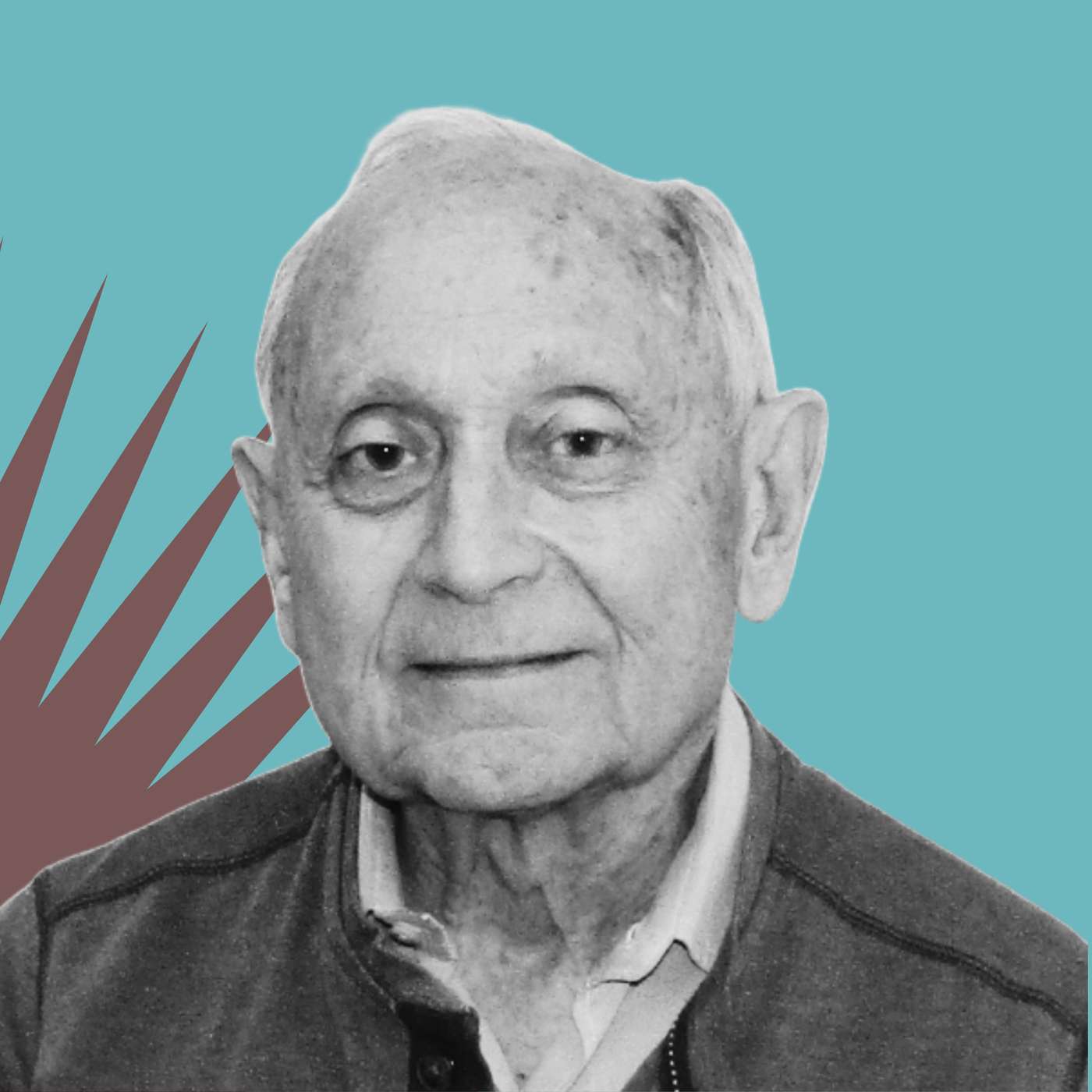


What kind of leadership can hold a fractured democracy together?
About the Guest
Stephen Schlesinger is an American historian, author, and foreign policy analyst. The son of Arthur Schlesinger Jr.—Pulitzer Prize–winning historian and special assistant to President John F. Kennedy—and grandson of Arthur Schlesinger Sr., he grew up at the centre of one of America's most distinguished intellectual families. Schlesinger is the author of Act of Creation: The Founding of the United Nations, and has written widely on American foreign policy and international institutions. He knew both John and Robert Kennedy personally, and brings a rare insider perspective to the history of American liberalism.
About This Episode
"He went around the table asking us, 'Do you still believe in God?' — this was 1967, he was already being considered for the presidency. Why would a man of this intensity and ambition be talking about these issues?" - Stephen Schlesinger
After two days exploring the surveillance state and the ethics of unmasking—with Andrew Guthrie Ferguson on how your data will be used against you and Christopher Mathias on the fight to expose the radical right—Andrew Keen steps back to ask a larger question: What kind of leadership can hold a fractured democracy together?
Stephen Schlesinger joins the show from the Upper West Side of New York to offer a historian's perspective—and a personal one. From his father's role in Camelot to his own memories of playing touch football with Bobby Kennedy at Hickory Hill, Schlesinger reflects on what made the Kennedy brothers effective leaders in a divided country, and what lessons their example holds for progressives today. The conversation moves from the founding of the republic (one-third pro-British) through the Civil War to the present fracture, and asks whether elections remain democracy's "great solver"—or whether something has fundamentally changed.
Chapters:
00:00 Introduction
On the road in New York, beside Columbia University
01:10 What Has Happened to America?
Schlesinger’s 250-year view of national fracture
03:40 The One-Third Fracture
Why a leader with minority support cannot impose ideology on 330 million
05:15 Elections as the Great Solver
Except for the Civil War, the ballot box has resolved every American crisis
07:30 An Intellectual Aristocracy
Harvard, the Schlesinger legacy, and the view from inside the American elite
10:45 The Romance of Camelot
Meeting JFK, the magnetism of youth, and the television presidency
14:20 Bobby’s Vulnerability
The dinner where RFK asked, “Do you still believe in God?”
17:45 Touch Football at Hickory Hill
Bobby’s toughness and the bullet pass Schlesinger had to catch
20:30 Jackie vs. Hickory Hill
Two styles of Kennedy parenting
22:15 Composed Jack, Emotional Bobby
Arthur Schlesinger Jr.’s perspective on the two brothers
24:40 The Assassinations
The White House, Lyndon Johnson’s motorcade, and the bar exam Schlesinger failed
28:15 Could Bobby Have Won?
Humphrey, the nomination, and what might have been
30:30 The Kennedys and Internationalism
From Joe Kennedy’s isolationism to JFK’s UN vision and RFK during the Cuban Missile Crisis
34:00 Chris Matthews and the Bobby Kennedy Cenentary
Lessons for Today
36:30 The Perpetual Civic Duty
Why each generation must defend constitutional freedoms anew
38:45 Closing
Advice to grandchildren and the enduring fight for democracy
Links & References
Mentioned in this episode:
- Act of Creation: The Founding of the United Nations by Stephen Schlesinger
- A Thousand Days: John F. Kennedy in the White House by Arthur Schlesinger Jr.
- Robert Kennedy: His Life by Evan Thomas
- Bobby Kennedy: A Raging Spirit by Chris Matthews
- The Power and the Glory by Graham Greene — the novel Bobby Kennedy mentioned reading at a 1967 dinner Schlesinger attended
- Why England Slept by John F. Kennedy (1940)
- Previous episode: Andrew Guthrie Ferguson on Your Data Will Be Used Against You (Episode 2794)
About Keen On America
Nobody asks more impertinent questions than the Anglo-American writer, filmmaker and Silicon
Valley entrepreneur Andrew Keen. In Keen On America , Andrew brings his sharp Transatlantic
wit to the forces reshaping the United States — hosting daily interviews with leading thinkers
and writers about American history, politics, technology, culture, and business. With nearly
2,800 episodes since the show launched on TechCrunch in 2010, Keen On America is the most
prolific intellectual interview show in the history of podcasting.
Website | Substack | YouTube
00:00 - Introduction
01:10 - What Has Happened to America?
03:40 - The One-Third Fracture
05:15 - Elections as the Great Solver
07:30 - An Intellectual Aristocracy
10:45 - The Romance of Camelot
14:20 - Bobby’s Vulnerability
17:45 - Touch Football at Hickory Hill
20:30 - Jackie vs. Hickory Hill
22:15 - Composed Jack, Emotional Bobby
24:40 - The Assassinations
28:15 - Could Bobby Have Won?
30:30 - The Kennedys and Internationalism
34:00 - Chris Matthews and the Bobby Kennedy Centenary
36:30 - The Perpetual Civic Duty
38:45 - Closing
0:00 Hello, my name is Andrew Keen. Welcome to Keen on America, the Daily Show about everything that matters with the world's leading commentators and thinkers. Hello everybody. We are on the road today, uh, in the Upper West side of New York City, uh, just beside Columbia University, uh, with, uh, a man from one of America's most famous intellectual, uh, political families.
0:51 Steve Schlesinger, uh, long time writer, teacher observer of American Life. From a remarkable family, very much involved with JFK and Bobby Kennedy. Uh, Steve, welcome to Keenon America. Thank you for having me. Well, you're very generous, uh, with your time, Steve, uh, in early February of 2026. I have to ask you the, the great question, what has happened to America, Steve? Well, I think America has done something which is. Been true throughout its 250 years. It's got in, got into a kind of fractured, uh, atmosphere.
1:36 Remember, even when the American Revolution happened, one third of the people in that revolution were pro British. So you had a great division there during, during that revolution, which everybody, some somehow thinks was very easy to. One, only on one side. Again, eruptions happened in, in the Civil War where one, three, the whole, the entire south went in succession because they didn't want, they didn't agree with the o. Other countries, uh, other states of the north. Uh, and then during the, the, uh, 1930s when we had the Great Depression, all sorts of movements of fascism and communism grew up because people were so discouraged or disparaging of, of, of the federal government.
2:29 We're going through something akin to that today, which is that we have a. Hm. Kind of re right wing revolution going on that is being led by a man named Donald Trump who's trying to impose, uh, strictures and religious, uh, edicts and all sorts of right wing ideas onto a country which is fundamentally not ready for that and was not. Really ready to have all this happen over the last year, which we've just been going through. He, he, he right now is only supported by one third of the country according to the polls.
3:11 But he, but if you try to impose an ideology, which is not, uh, freely shared for a country of over 330 million people, you're gonna have huge divisions. And if you can only get one third of that support. That means at least two thirds of the country disagree with them. And, and under those circumstances, it's a, it's understandable why you have such fracture today, uh, in, in the United States. So is your response one of business as usual in America, America's been through these crises before and it will go through them again, or are you suggesting something different has happened?
3:54 No, I, I, I think this is. Part of the pattern of America. We, we always go through periods where we have these deep divisions usually created by internal crises, but often because of, uh, foreign, uh, conflicts. Uh, and in doing so in, in a great democracy, you have to work through the divisions. And that's the great thing about. Elections. The elections tend to reflect the dominant feelings of, of the, of the voters, and surely in many ways, uh, I would not predict it right now, but the polling suggested November. The Democrats will retake the, the, the Congress, maybe even the, at least the House of Representative.
4:39 Maybe this. Only because they're reflecting the, the, the, the emotions and views of, of American people right now. So the, the elections are the great solver of political problems. Unfortunately, it did not work in at one point, and that was the Civil War where those, those. Tremendous, uh, emotions about slavery could not just be resolved through elections. It had to be dealt with in, in, in a open military conflict. But otherwise, most of the divisions in the past in this country have been resolved through the election process.
5:19 And, um, we'll see how that goes this November. But my feeling is that many of the issues that are apparently. Very upsetting to Americans. At least the majority of Americans will be reflected in, in the outcome of of the November Congressional races. Steve, uh, all Americans, of course, have a relationship with their country. They all have views on it, on its strengths and weaknesses. You, as I suggested in the introduction, are from one of America's most distinguished. Families, intellectual aristocracy. Your father was amongst the most, uh, distinguished, influential, powerful, um, historians of the 20th century.
6:04 Do you think you and the schlesingers in particular have a, a different kind of relationship with America than, shall we say more standard? Americans, more typical Americans? Well, I think that in a way, uh, I grew up with, in my father taught at Harvard. My grandfather taught at Harvard. Um, and I, my other grandfather taught at Harvard, one in medical school, one in history. Even my uncle taught at Harvard, uh, uncle in law, he taught Chinese history. So I, I grew up in fairly. You know, I would say confined atmosphere of, of a university town and to, to that extent, yes.
6:45 I think that meant that I was not aware of, of many of the great feelings and beliefs and struggles that main mainstream Americans had on the other hand. The, you can look at communities around the world, around around the country anyway, who live in gated communities or live in, um, have, uh, various attachments to their factory that they're working at. And each time that you have these little villages of thinking and, and, and, and pausing about what was going on in the country in a way.
7:25 They're as isolated in many ways as a community that I grew up with in, in, in, in, at Harvard University. So the question is, how do you bring them all together? How do, how do you make common cause that allows people from. Various different levels of, of, of the economic system and from wealth to the poverty make them feel a part of the country as at, at large. And I think that struggle has always been the issue that, that faces every politician in this country. And I, I do feel that in many ways I had to go through my own struggle, uh, of kind of getting away from the Harvard community.
8:05 And, and in my case, I moved from Cambridge to to New York. I started working in local politics here as well as a journalist, and began to open my vision about what life was all about, and I, I think that was a very important, um, mark along, along the development of my own life. I think most people, if they don't. Ever leave their own one, one small community don't get that kind of, um, experience. And so at least in my case, it really opened my eyes. What did your grandfathers and your father and all your remarkable family, what did they teach you or not teach you about being American?
8:50 Well, my father. As my grandfather, both named Arthur Lesinger, one senior, one Junior, were very great patriots of American life. Uh, my grandfather, Arthur Lesinger senior, wrote pioneering books about the colonial period of American history and. Marveled at the fact that the US developed out of these small little states that have been settled mainly by, uh, English, uh, religious groups or o other European movements, and was a, and my father on his side.
9:32 Marveled that the fact, 'cause he wrote about, uh, early American President Andrew Jackson, and then later American Presidents, uh, Franklin Roosevelt and John F. Kennedy about the reli resilience of America in the sense that it had it, it's lasted for right now, over 250 years. Uh, and it, it, it's only been. In a sense struck down only one point in its history by war, and that was the Civil War. But otherwise, it's managed to resolve the issues that are splitting the country through the process of negotiation, election, uh, and, and the feeling that.
10:17 D Democracy will solve the problem in, in the long run. So I think he also feels very Patriot, has did feel very patriotic about the country, to the point where he joined the Kennedy administration as a special assistant to John Kennedy, where he could actually see how the government operated from the inside. Whereas before, he'd only written about it as a scholar from the outside. He was a, a central figure in the mythology of. The JFK administration in Camelot was close to the whole family, including Bobby Kennedy. What are your memories of that, Steve? Is the romance, um, the nostalgia, is it justified?
11:01 I think from my own experience, I, I, I really regard that time is a very romantic time. I, I met President Kennedy three or four times when I was growing up and to be in his presence. It was as it was if you were, he had a kind of magnetic personality. He, he, he was strikingly handsome. He had a great, wonderful sense of humor. There was a, just a kind of warmth about him, and you just had the feeling of this young man, he was in his forties when he became an American president, that he, he had a dynamism and, and vision and enthusiasm that would, that could take you.
11:42 To places you never imagined before in this country. And it, it was a genuine, uh, kind of, uh, environment that, that, that he, he created. Uh, it is fair, I think, to look back on that as a, a romantic time because he, he was unique in the sense that he was able, also able to use television and radio and all the, um, media outlets of that time in a way that. He, he seemed to leap out through the cameras to the people in, in, in the communities. So they felt a feeling of solidity with him and a feeling of, of, of, um, admiration for what he was doing.
12:24 And of course, he had a young family, a beautiful wife, all of these quite original. Factors. He was almost like a movie idol in many ways. His brother, Robert Kennedy, who I got to know a little better through, again, through my father, uh, was also a, a, a striking figure. Also a had a kind of magnetism to him, um, and a man of, of great values in terms of where he. F thought the country should be going. Um, I remember one time that my father took me out to dinner with Bobby Kennedy and a, a number of other people at a restaurant in New York City.
13:09 Uh, this is when Bobby Kennedy had become a senator from, from, from, uh, New York. And one of the striking features of Bobby to me anyway. Was he, he was, he had great vulnerability. It, it sounds kind of odd to say that about a man who's always been accused of being ruthless and, and, um, you know, this kind of slam bang towards politics and people, but at least in, in these informal encounters, he talked very, um, very honestly about his own. Feelings about what life was all about.
13:50 At that particular dinner, he asked us, he went around, about seven or eight of us, went around the table asking us, do you still, do you believe in God? Well, I mean, that was in 1967. This is. A time when he was already being considered as a possible candidate for the presidency in 1968. And it's just struck me as why would a man of this intensity and ambition be talking about these issues? And he was, it became clear that he himself was struggling with, with his own spiritual feeling. He said at one point, I never asked to be born, but I am born and, and I, I am alive and I have to deal with.
14:34 The, the life that I have, and I, and religion has been one of the kind of things that have gotten me through terrible crises in, in the past. And obviously he was referring to the assassination of his brother four or five years earlier. Um, and he, so he, he, he, he told, he told us that he had been ready. Reading Graham Green's book, the Power and the Glory, which is about a Defract priest struggling with whether he was still religious or not, a reflection of his own inner emotions about whether he still felt religious or not. And remember the, the Kennedy family is a strong Catholic family and was brought up, uh, you know, in Catholic schools and very, very much.
15:22 Part of, uh, you know, churches and, and, um, rituals that are part of the Catholic, uh, community. And to have him talk about the struggle with religion was fascinating. Do you think that that confidence, shall we say, in his vulnerability, in his own vulnerability, which you just described, is a reflection. Of the complexity of the family, of this aristocratic enormously rich family in a supposedly democratic country. What can the stories of both JFK, you mentioned that he was a, a Hollywood like star and his more vulnerable brother Bobby.
16:08 What can that teach us about politics in the 2020s in terms of. Progressives either coming up with a candidate like JFK, who can compete with right wing demagogues or perhaps more human characters like Bobby Kennedy. Well, of course, every candidate for the presidency is individual in their own way. So, uh, the Kennedy certainly had what we call charisma, uh, that that ability to project a kind of force field of, of, uh, enthusiasm and attraction and, and, uh, almost a, you know, gl glitterati, uh, uh, in politics, which is not shared by many other politicians, Richard Nixon, for example.
17:01 Did not have any of those qualities, uh, and yet he also became elected president. Um, I think that first of all, what it says is that in at least, uh, in politics of this time when, when we have so many different media outlets, not only in on television, the internet streaming. Uh, iPhones and so on. It's very important for a politician to have a larger than life personality in order to kind of grab attention through these different outlets. Uh, obviously Trump has it because he's been elected twice and he.
17:44 He dominates the airwaves and, and, and the print media and, and all the internet outlets in a way that is quite extraordinary. Uh, but it's because he has a, a, a, a personality that, uh, is, is very conscious of how to communicate using all these different, different outlets. But he also has a, a powerful personality of his own. In my view. It's the wrong. He has the wrong views, but you have to concede that this is one of the strengths he's had as, as a leader. And I think Kennedy, the both Kennedys also had those same strengths, but with, with, in my view, with the good views.
18:26 And so you do have to have a, a, a very, um, attractive, uh, powerful character. To be able to run for the presidency. People don't have that extreme ambition and, and energy and, and sheer, um, fortitude to go out on a political trail day after day, week after week, month after month, year after year, they just drop by the wayside. Uh, and so this combination of, of appealing through. Uh, your personality and as well as handling the, the media and, and coming up with views that are attractive to voters.
19:15 That's the, uh, magic soup I think that creates a good candidate. But coming back to the Kennedys, uh, old Joe Kennedy, first of all prepared his, his first son, Joe. Junior, the pre to become president, and he of course died in the Second World War. So he was then replaced by the second son, uh, Jack Kennedy. And then of course, after the assassination of Jack by Bobby, in a sense, Joe Kennedy was preparing them all. Intellectually, globally, financially. And that speaks to what we talked about earlier, this contradiction between the promise, the ideals of American democracy and the reality of American Aris.
20:00 For better or worse, a country which has always been the home of, of, uh, families of, of remarkable inequality, of great wealth. Joe Kennedy at one point, I think was the richest man in America. Is there an argument to be made, Steve, when we look at the, the Kennedy family, that aristocracy isn't such a bad thing when it comes to training democratic leaders? Well, I think aristocracy has played a group, you know, huge role in American history. I mean, after all. Theodore Roosevelt came from a very aristocratic background. His, his, uh, other ancestor, uh, uh, successor Franklin Roosevelt was from a aristo aristocratic background.
20:46 And the Kennedys, as you point out. Themselves had that kind of, and all progressions, of course, Teddy, uh, uh, FDR, Jeff K and Bobby Kennedy, all perhaps the foremost influential progressive American politicians of the 20th century. This is true. I mean, it is a fact that, that some of the most liberal. Uh, presidents we've had, have had come, come from these very wealthy, uh, well established families and have been able to nonetheless feel the pulse of the common people and re respond to their needs and d desires as president.
21:27 On the other hand, we've also had aristocratic presidents who have sure, you know, given little. Attention to the poor people and have come from very rich families. I don't know if you put Trump in that area, but he did come from a family that had huge wealth when he started in politics and he's given short shrift to all the issues that progressives have, have cared about. But by and large, uh, it is a striking factor that that of the of, of, if you look back at the great presidents. In American history, they have come from these very high highfalutin backgrounds.
22:07 You know, whether it, they're very good university education, whether it's, uh, the wealth, whether it's the, um, contacts, the community, the, the, uh, social level. All of those factors have helped propel many of these c candidates in, into the presidency and into, to re to responding to the, to the needs of, of the community at large as opposed to the to, to their narrow. Uh, aristocratic background, Steve, as, as you say, you have a number of memories of Bobby Kennedy. You spent some time with him. Uh, you gave the anecdote about his vulnerable side, but of course, he was also a pretty tough guy.
22:54 Physically tough involved when he was a young man in many fights. Mentally tough in many ways. What do you remember about. Bob's hardness about his toughness? Well, that's an interesting question. I, I, one day my father took me out to, um, their place in, in the hills, is it called, um, Hickory Hill. One day my father took us out to Hickory Hill and, uh, Mrs. The, the family of stayed, the family of, stayed for Bobby, for Bobby and his kids. And I had not really ever been out there before. And the moment I arrived. Yeah, Bobby said, we're gonna go pay, play, touch football.
23:35 And I thought, wait a minute. I didn't come out to thieve that. How old were you then? I was about 20, 21. And, uh, so we ended up playing touch football. I, I, I, I. As, you know, touch football, you don't tackle, but you just touch somebody and you know, and, and that means that they freeze and then that they can't, uh, they can't move anymore. Um, but the point was that he had me go out for passes. Okay? Now, I hadn't played football in years and, uh, what he tossed me a bullet of a pass. I fumbled it and, and, and, and I, because it caught me by surprise. But he intended to be very.
24:18 Precise in what he wanted to do. He said, I want you to go out, I want you to catch his press. When I came walking back humiliated for having not caught this press, he gave me a look. That made me think, man, you don't, you don't, you don't push around this guy. You don't mess with him. He wants what you want. He, he wants what he wants. And so the second time he had me go out for that past. I damn well caught it 'cause I didn't wanna get the wrath of him on from me, you know, failing a duty that he had expected me to complete. So that, that to me is an illustration, a small one from a young kid. But, uh, aside to Bobby Kennedy says he, he's a tough man.
25:00 He wants what he wants, and he expects you to live up to. His, uh, his, um, hopes and dreams of what you're gonna be. What was Hickory Hill like? Hickory Hill was a kind of huge estate. It had a huge swimming pool in the back. It had a big lawn where you could, you know, play football and, uh, and I guess they played other sports too. It, it, it, the house itself seemed to go on and on. It had lots of rooms and. Of course, you know, he had what, 11 or 12 kids, um, and there was a, a sense of informality about everything.
25:42 You know, everybody was kind of b bouncing around and trying to do this or that. Everybody had a, had a, um. Uh, a thing that they, they liked to do, whether it was a hobby or some, some, some of the kids had little animals that they played with. It was a sense of fun. I mean, it was just rough and rough and ready. I remember. Later talking to Jackie Kennedy and, and one of the few times I ever had a chance to speak with her, and she told me that, you know, she wanted to keep her son and daughter away from the Bobby's family because it, she felt that they were so, so many of them.
26:24 And so kind of. Loose loosely, um, able to go anywhere they wanted and, and kind of free to do everything that she didn't want her kids to do. That she felt if she, if if they got, if her two kids got exposed to them, that this would be disruptive to, to her own family. So it was a different style. Bobby was full of excitement and let's do things and we gotta. All get together and wrestle and, you know, take trips and climb mountains. And Jackie was much more let's, you know, get your education and you know, do the things that are gonna get you a good job later on.
27:11 And, and stick with the, the tried and true e lives of what I would call aristocracy. Your father knew both men very well, worked with both men closely. How did he distinguish between the two of you? Well, my father was close to, more, closer to Bobby than he was to Jack, but he was, he loved them both. I mean, Jackie said Jack Kennedy was more reserved. He had a. Um, he didn't express his emotions the way Bobby did, and he, but, but yet you felt this kind of magnetism about him that, that he, that he had strong feelings about things and that he wanted to do with his life, uh, fulfill changes in, in America as, as a country in, in good ways, whether it was in civil rights or disarmament, or working with.
28:05 Um, getting treaties passed, like the test band treaty. Um, whereas Bobby, while he was very com uh, committed to all the issues his brother cared about, was much more intense and emotional and, and open about his feelings in a way that. Um, also had a very huge attraction to people and, and it, it gave you that sense of, of his vulnerability. Whereas Bobby, whereas Jack was a, uh, self, self composed man. But nonetheless knew his strengths, his weaknesses, and, and was able to accommodate all the different issues he had from growing up in a way that made him a, a quite extraordinary president.
28:58 And I think Bobby would've been an extraordinary president, but in a different way with all the, all the issues he would care about were the same as brother, but he would've, he would've articulated them differently and he would've, um. Probably, uh, campaign for them in, in, in his own eclectic way. His own, um, special, um, magnetic way that I regard both of them had. So I I, but that, those, those, to me, the, the composed Jack and the emotional Bobby were the two strains in, in of, of the, of the, of those two brothers.
29:43 What are your memories of the two assassinations? The first assassination happened while I was at Harvard as an undergraduate, and I, I remember. Uh, being absolutely torn. I mean, you know, this man had become so much of a part of our family because of my father's involvement with him. And he was an idol at, at, uh, Harvard. He'd gone to there as an undergraduate and he had a, um. That charisma that you couldn't, you know, delineate, you couldn't write it down. It was part of his being. Uh, it's not something you can just adopt.
30:25 You can't say I'm gonna be charismatic. You, you know, you either have it or you don't. So I was absolutely shaken up and I, that day flew down to Washington and my father took me to the White House where. We, um, there many mourners had gathered. I did not go into the White House. My father actually was asked by the family Kennedy family to go look at the, um, the Kennedy's body to. Find out whether he should be in an open coffin or not. Mm-hmm. And my father said no. He didn't feel, he felt that the damage done by the bullet was too, too terrible for that to happen.
31:11 Um, but I did remember. Watching after, after an afternoon at, at, at the White House, a cartage of, actually a series of, of, um, black limousines leaving the White House. One of them had Lyndon Johnson, the new president in inside, and that was. A startling thing. 'cause I suddenly realized we have a new president. This is somebody that we're gonna be having as a new figure in the White House.
31:51 And it kind of, it kind of abruptly brought me back to the reality what was going on. So I do remember that very, very, very vi vividly. Um, as for Bobby's assassination, I was at, at, uh, I had just finished Harvard Law School and I was taking the, um, law school, sorry, the, um, state law bar exam. And this was of course, June, 1968. This was June of 1968. This was eight. Three months after MLK had been assassinated. This is, this has been a totally troubling period.
32:33 Martin Luther King's assassination, uh, three months before Bobby's, and then Bobby's, uh, being shot in in Los Angeles, uh, in a way that. Mm, just the, you had the feeling the country was falling apart. I mean, how could you have so much violence having survived an assassination four or five years earlier of our American president, it, it, it made. It gave us all sorts of anxiety about where, what do we do with our lives? How do we go on to the next days? Where do we, where do we fit? Can we get into a routine?
33:13 That brings me back to, uh. You know, more peaceful time. All of these issues swir around, swir around swirled around my mind. So do you remember you, you said you were taking an exam. Do you remember the moment you heard? I, I do not remember the exact moment, but I will say that as a result of that assassination, I took my mind off the reviews for the exam and I failed the exam in the end. I, I just was so. Blindsided by what was going on. I, I just couldn't fo focus or concentrate on, on, on, on the, um, on the whole notion of, of passing this test.
33:54 And it was, so, I had, in a sense, it, it derailed me at that time. And, um, no, but I don't remember the exact moment of, of, of hearing the news. I, I, by then, I was. Kind of had been living in Cambridge for, at Harvard Law School for the last four or five years, falling my undergraduate years there. And so I had sort of gotten more detached from Washington and, and, and father was no longer living in Washington, was living in New York. So the. Connection to the Kennedy family had kind of lapsed in those years that I was at law school and, and it didn't mean I feel didn't, did not mean I did not feel terrific anger and upset and, and.
34:46 Absolute, uh, anguish over what had happened to Bobby, but I, I didn't feel the intensity of the relationship is strong anymore. Do you think he had a chance to be president? It still seems to be a great debate. Some people say that it was must map. Dramatically impossible for him to have won the Democratic nomination. Others suggest that he would've been issuing, and of course then he would've faced off against Richard Nixon in another Nixon Kennedy election. Well, I mean, I, I, I personally believe that if, if Bobby had, had won, had, had sort, he had lived, that he, I think he would've had a hard time getting the nomination.
35:27 But Humphrey was so weak at that point. I mean, he was, he was so associated with the. Vietnam war that I, I suspect a lot of Humphrey ites who did in the end vote for him for the nomination after Bobby's assassination might have been able, might've broken away from him on the theory that, that Kennedy was representing the real strong feelings of, of, of Democratic voters in, in, in his anti-Vietnam campaign. And that, that, uh, he also. Had, you know, this strong charisma, which Humphrey lacked and, and that Humphrey had been kind of Defen defend, rated by Lyndon Johnson.
36:13 He'd been, you know, weakened. By this very strong president who ordered him around and made him look like a, um, you know, some meek follower or, or a sub, uh, you know, a kind of hanger on as opposed to a real figure in his own right. And I think from my point of view, it would've been, it would've been close, but I think Kennedy could have pulled it off. I know the, the other argument is that Humphrey had the mainstream Democrats on his side. He had the, all the, the supporters of Lyndon Johnson on his side had, had the, had the many of the state leaders on his side because he was the man all was considered as, as the next presidential dominee.
37:04 So it would've been a struggle. It would've been a struggle, but I, I, I do believe that. Kennedy would've won in the end. Steve, you've gone on to become a distinguished historian. One of your best known books is a book about the foundations of the United Nations. Uh, the Kennedy family has a, again, typically ambivalent Kennedy way, a very complicated relationship with America's role in the world. Uh, Joe, old Joe Kennedy, of course. Uh, was in some ways an isolationist, very controversial in his relations with Nazi Germany and in his determination that seemed in the late thirties, early forties to keep America out of the war.
37:46 And yet he turned out two boys. Jack and, and Bobby who were committed internationalists. As I said, you've written about the foundations of the United Nations. They were both in their own ways, very comfortable with America's place in the world. Um, given now the enormous. Controversy about America's new place in the world. Donald Trump's retrenchment, if that's the right word, from America. From America's role in supporting democracy and its relations with Europe and its commitment to world peace and global institutions, what should we remember about the Kennedy boys commitment to internationalism and America's central role in that?
38:34 Well, I think we fir, let's first talk about Jack. Kennedy, you remember he a, after he came back from England, he wrote a fam famous book called Why England Slept. Yeah. It was a best seller. Remarkable. He was about, what, 22 or something? Exactly. It was a best seller and basically he made the argument that the, the British fell down and the rep reparations for possible war. Against the Nazis and it was only Churchill finally woke them up in time. But that, uh, so they were ill prepared for, for a second World War. And he also be, had, become a, uh, hero during the war itself.
39:15 When his PT boat was sliced in half by a Japanese destroyer and he was able to survive the attack and, and bring a number of his crew mates, he had to tug with debris and bring them along swimming to an island nearby and save their lives. So he was, he was a man who had experienced war, had written about. What war preparations you need if you're gonna win a battle. And, and somebody who, uh, in 1945, after he'd gotten outta the war, became the correspondent for the Hearst Papers covering the San Francisco conference to set up the UN in 1945.
40:01 So he had, it was clear, he had a grand view of what the world was all about, that America. Had to be part of the, the, uh, community of, of states around the planet. It could not isolate itself in, in contradiction to his, what his father believed. And then when Kennedy became president, he was the only president who ever mentioned. In his inaugural address the importance of the United Nations. So you can tell you right there where, where his head was at in terms of international life and, and how America fit in to the, um, world community and Bobby.
40:45 And he, and on his part was, you know, all had figured as the attorney general in, in, in, in a number of, uh. Episodes that were involved, foreign intrusions, mainly the Cuban Missile Crisis, which he and his brother helped settle, uh, through a series of negotiations, ma, many of them done through the United Nations, but also. Hammered out in, in these, uh, small, uh, national security meetings at the White House. So they, they both had a tremendous knowledge of international affairs and, and the importance of America having allies in order to survive in a very troubled world.
41:33 I mean, one of the great lessons of the second World War is America. It won that war, but not alone. It won it because it had, it had its European allies, it had the Soviet Union, which was traditionally a, an antagonist of ours. But that was the only way you're gonna win the great battles is to have allies. And both Bobby and Jack understood that that was part of what America, the American presidency should be all about. That's what both Kennedy's. Stressed in, in their own arguments about how do, how do you conduct American foreign policy. It's something we've lost as of today with Donald Trump, who doesn't really believe in allies, believes you should ha, have, have an American first policy that you go it alone.
42:21 You, you pick up some allies here and there, but you don't commit yourself to, you know, organizations like NATO or. To the un. You, you, everything is done unilaterally. And, uh, I think he's making a grave mistake, but it's not a mistake the Kennedy's made. Couple of months ago, Steve, we had your friend Chris Matthews, Mr. Hardball, M-S-N-B-C. On the show, he'd written a book, uh, to honor Robbie Kennedy's. Hundredth year anniversary, the hundredth year anniversary of his birth in 20, uh, in 1925. He was born in, uh, November, 1925, and Chris's book was about lessons that we should still learn from Bobby.
43:10 Uh, I'm not sure if you had a chance to look at the book, but are there lessons. That we can still learn in early 2026 from Bobby Kennedy. He's hasn't been around for a long time, but he still has an enormous emotional weight. Many people, including yourself and Chris Matthew, still have a great deal of nostalgia for such a remarkable man. Well, the thing about Bobby is his intensity, his. W belief in, in, in, in truly improving the lives of his, of the people of, of, of, of, of the United States in a way that you don't see very often in politicians today. I mean, Bobby was willing to go into the slums of Harlem and into the poverty, uh, places in, in Mississippi, and talked to directly with.
44:01 Impoverished individuals who had practically no money to live on and dwelled in shacks or had no cars, had to walk everywhere. He cared about these people and it came through in, in the way he conducted his life. And I think that would be one great lesson for me is, is it the caring, the the compassion, the feeling that, you know, you may come from a very wealthy background, but you can sympathize. About the imp impoverished people of, of your own community, and you try to help them out and you try to improve government and you understand that government can be a dynamic force in lives, that it's not something to be objected to.
44:45 It's, it's there to help people. And that of course is the great, uh, division between Republicans and Democrats. Republicans basically believe in small government, uh, Democrats believe in, in a forceful, big government, which cares about the community as a whole, not the narrow rich people that the Republicans tend to to focus on. Uh, and I think the Kennedy's very Bobby in particular. Uh, was so, so broad-minded in, in his intense feelings about his country, people, his countrymen and women, that that's, that, that, that lesson should be one that I think democratic candidates in the future should draw on.
45:31 And I think it ha it. It is a helpful ingredient in a successful campaign to have that compassion and show it as part of what is important about American values as a country. And those values have kept us together for 250 years. Let's end where we began, Steve, um, with, uh, your thoughts about the future of America. I know you've got young grandchildren. What wisdom given your long life? In American politics and studying American history, what wisdom would you or do you pass on to your grandchildren about America and being an American in the 21st century?
46:19 Well, one of the most important pieces of wisdom, and from my part. Okay. As regards that question is that every American has a civic duty. Now what do I mean by civic duty? I mean, if you're gonna live in this country, you have to care about how the country conducts its life. That means voting. Voting is part of your civic duty, uh, caring about issues. That are gonna affect you and your community and be willing to fight for them or fight against them if they're, if they're, they're, if they're wrong. Um, making sure that. Any job you take in life is, is one that yes, it will make you money, but it doesn't exclude you from being involved in the greater community at large and worrying about your compatriots and your neighbors and, and, and wanting to be.
47:13 Part of a much larger, um, populace. And I think in the end, it, it's the values that the founders established through the US Constitution, uh, of freedom of speech, freedom of assembly, all the freedoms that, that, uh, we have lived with for, for the last 250 years. We cannot discard them. We have to stick by them. Every new generation has to fight again. It's like a re fight for the same, uh, classic, um, freedoms that we treasure from the constitution. We have to re fight for them every new generation because there's always gonna be a dynamic in the pa, in, in the background, which is trying to wipe those freedoms out.
48:03 And so right now. Uh, I would tell my go have told my grandkids, you know, the Trump phenomenon is a, is a bad phenomenon for this country because it is contradicting the great. Virtues of America life, particularly as they are exemplified through our US Constitution. But we can get through them. We have to fight them, and, and we, we, we will win elections in the future, which will change us back to our traditional values. But that can't, that is a fight that never end. You have to be committed to it throughout your life and that is your si civic duty. Well, Steven Sles, you're real honored to have you on Keenon America.
48:45 Thank you so much for your, your wise memories of the Canadas and their relevance in the twenties. Twenties. Thank you so much. Well, thank you for having.