The Summer the Internet Didn’t End: Oscar Schwartz on Why Australia’s Social Media Ban Failed
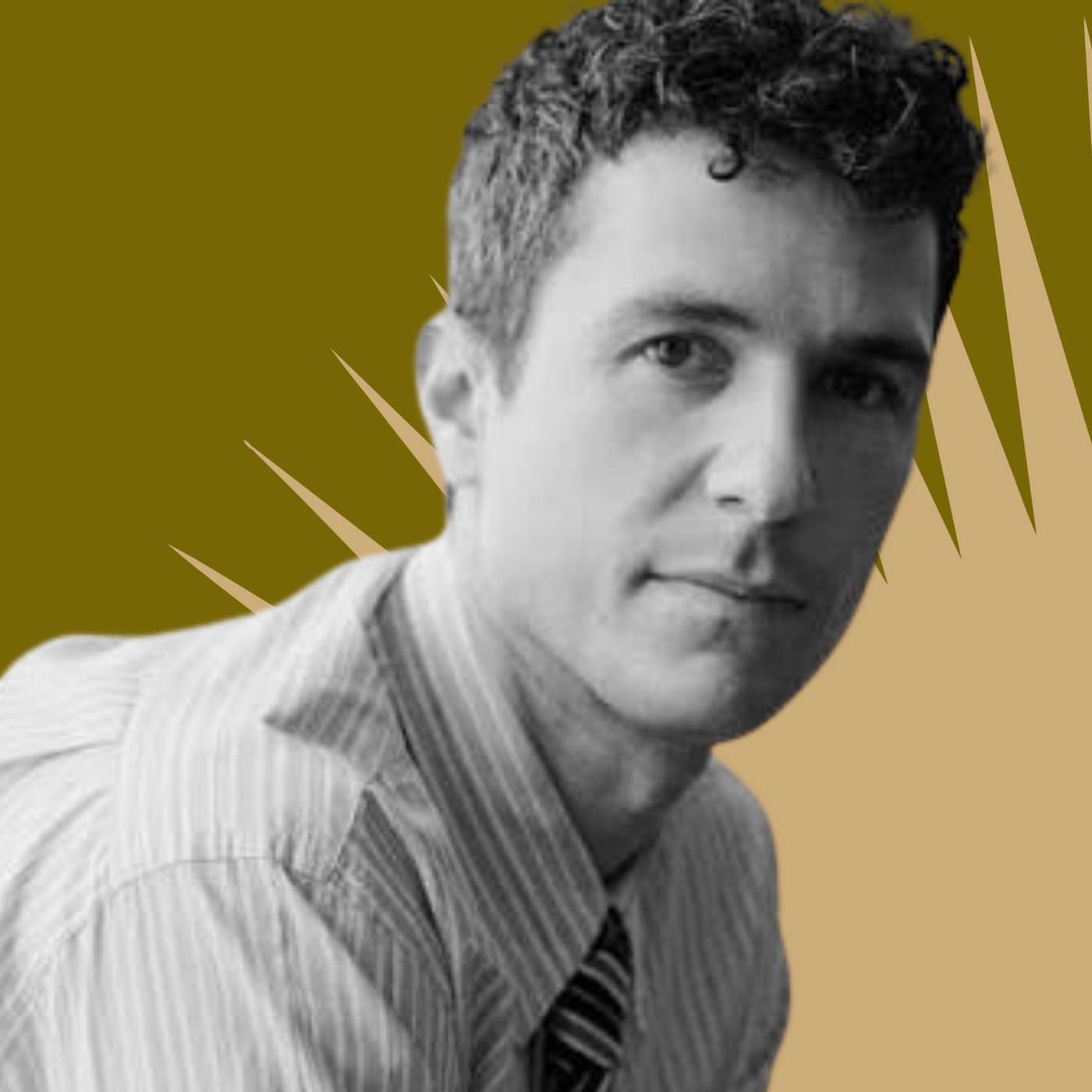


“Within the limited timeline that we have, there’s absolutely no question that it failed.” — Oscar Schwartz
INTRO
Yesterday in DC, at the Family Online Safety Institute’s twentieth-anniversary conference, FOSI founder Stephen Balkam ended the event interviewing me about my take on regulating tech. Balkam is no fan of bans. When he came on the show in March, he told me that kids need more friction, not less technology. Still, social media prohibition was the talk of the Reagan Building. Australia’s eSafety Commissioner was there. Perhaps to hear a panel on social media regulation entitled “Beyond the Ban.”
Last December, on what its champions called Deactivation Day, Australia kicked all its under-16-year-olds off social media. Kids could go outside and play sports. Liberation Day. Instead, as Oscar Schwartz reports in this month’s Harper’s, about 85 percent of them are still online. All it took to evade the ban was a fake birth date. Or the digital image of an older sister.
It began, Schwartz tells me, when the premier of South Australia’s wife read Jonathan Haidt’s helicopter-parent screed The Anxious Generation. Two Murdoch campaigns later, it was law. The official charged with enforcing it never believed in it. And the kids at Melbourne’s Northcote High, whom Schwartz interviewed for the piece, saw the failure coming and doubled down on Snapchat and Instagram.
The summer the internet ended? More like proof that social media prohibition is as ill-advised as a completely unregulated market. Ban the ban. Or maybe ban the paranoid nonsense of Haidt and the Murdoch media.
FURTHER READING
• “Save the Children: The Making of Australia’s Social Media Ban”, by Oscar Schwartz, Harper’s Magazine, November 2026.
• “Statist Quo”, by Jess Bergman and Oscar Schwartz, Harper’s Magazine, October 2026.
• The Anxious Generation: How the Great Rewiring of Childhood Is Causing an Epidemic of Mental Illness (Penguin Press, 2024), by Jonathan Haidt.
• FOSI 2026 Annual Conference: The Past, Present, and Future of Online Safety, Family Online Safety Institute, Washington, D.C., November 19, 2026.
• KEEN ON AMERICA episodes cited: Stephen Balkam on why kids need more friction.
ABOUT THE GUEST
Oscar Schwartz is a Melbourne-based writer whose long-form journalism has appeared in the New York Times, The Atlantic, Harper’s Magazine and The Monthly. He was previously a researcher at New York University. His poetry collection The Honeymoon Stage was shortlisted for the 2018 Queensland Literary Award for Poetry. His cover story for Harper’s is “Save the Children: The Making of Australia’s Social Media Ban.”
ABOUT KEEN ON AMERICA
Nobody asks more awkward questions than the Anglo-American writer and filmmaker Andrew Keen. With 3,000 episodes since the show launched on TechCrunch in 2010, Keen On America is a daily conversation about the ideas, books and arguments shaping the United States. New episodes every day.
LIVE IN SAN FRANCISCO: How to See America. Who Stole America’s Pride? Arlie Russell Hochschild in conversation with Andrew Keen, Manny’s, December 8. Tickets: https://www.eventbrite.com/e/how-to-see-america-who-stole-americas-pride-tickets-2003996604791
00:00:31 Andrew Keen: Hello, everybody. The cover of Harper's Magazine this month in November has a wonderful cover. "Why Social Media Bans Fail," with a picture of an iPhone or a smartphone. "Danger, do not enter," but those "danger, do not enter" signs have been broken. It's a reference to an excellent story in Harper's this month called "Save the Children: The Making of Australia's Social Media Ban," by my guest today. Oscar Schwartz, a Melbourne-based writer, tech guy or former tech guy, lived in New York. Now he's gone back to Melbourne. Oscar, welcome to the show. I know that you would rather have entitled the piece "Save the Children: The Summer the Internet Ended." Tell me about why, the piece should have been entitled "The Summer the Internet Ended."
00:01:37 Oscar Schwartz: That, yeah, that was one of my, suggestions. I think because the way that it was presented here in Australia, in the months leading up and certainly almost the entire year leading up was very much as if it were going to be this grand moment, where the Internet for, you know, people under the age of 16 effectively was shut off and the kids would all go outside, you know, as if, like, stepping away and rubbing their eyes from the screen and starting to kick footballs and learn how to make [unclear] from scratch. And so I think, that struck me as kind of— that way of presenting it struck me as funny, and so, like, overstating— the overstatement of the promise of what was gonna happen that summer, to me was, like, one of the most strange and interesting parts of reporting this story.
00:02:32 Andrew Keen: Yeah. And, it— had Harper's gone with that title, "The Summer the Internet Ended," it certainly wouldn't be the first or the last piece in a magazine about the end of the Internet. Let's remind ourselves of this social media ban. In post-midterm America, Oscar, and you know this as well as I do, more and more of a cause in the US for banning one kind of technology, another or another, less social media these days than AI. But for many people, I think social media and AI now are pretty much the same thing. So what actually happened in Australia?
00:03:13 Oscar Schwartz: Yeah. So the— so I guess it depends how far you go back. Australia has always had a pretty kind of forward-thinking or, progressive approach to tech regulation. In 2015, I think it was, we were the first nation to have a specifically designated public servant for the role of e— what we call eSafety, so the eSafety Commissioner, whose purpose was to keep online citizens safe. And we also had, the media bargaining laws that came in, I think, in 2021, sometime around then, which was basically, the Australian government said to the big platforms, if you wanna publish, our local news on your, websites, you have to pay those local news outlets. So, you know, Australian newspapers, including the big Murdoch newspapers here, by the way, so it's not just like local rags, it's like big, newspapers were paid a significant for the newspapers perspective amount of money to have their stories hosted on these platforms. So there is that kind of history of Australia being pretty forward-thinking in terms of tech regulation. And then I guess— so the story of the social media ban in that light was that in 2024, it kind of is a bit of a— takes a different path from what was otherwise happening because the eSafety Commissioner, this person who was brought in in 2015 had a plan for how to approach child safety online. But it was kind of railroaded in 2024 when the premier of South Australia, which is a kind of small state at the bottom of Australia with not a huge population, his wife read Jonathan Haidt's book, The Anxious Generation, and like many parents, freaked out and said to her husband, what are we gonna do about this? And he said, well, let's, he read it, and then he said, well, why don't we take Jonathan Haidt's suggestion seriously of trying to impose a ban for adolescents?
00:05:30 Andrew Keen: Alright. So warning, you— I know you were a researcher at NYU. You should never read books by professors at NYU, should you?
00:05:37 Oscar Schwartz: No. No. Abs— absolutely not. Well—
00:05:39 Andrew Keen: Well, certainly, we never read them. You just shouldn't take them very seriously.
00:05:44 Oscar Schwartz: Yeah. Well, you know, this book is a— is an interesting one. I focus about it— on it a little bit in the piece, but it basically took a kind of particular slant, or a particular position within the broader debate around the impact of social media on adolescent mental health. And Jonathan Haidt is an extremely effective communicator. I mean, he's had many best-selling books. He knows how to work media messaging, and he turned this particular perspective within the scientific literature into a polemic, a kind of strange parenting guide. It's got, like, a spiritual element to it about how to disconnect from social media and the spiritual benefits of doing so. And it just became— it really spoke to anxiety that a lot of parents have around, device use, and, it just went kind of nuts.
00:06:49 Andrew Keen: Yeah. I've always— one of the things about Haidt is he's always struck me as a helicopter parent. Who, has created a kind of hysteria around helicopter parenting. So he has it— as a parent, he has his cake and eats it. On the one hand, he's very critical of all these parents who are obsessed with their kids. On the other hand, as you note, he's written all these books, which has terrified parents about their kids' use of technology, particularly social media.
00:07:22 Oscar Schwartz: Totally. I think that's a really astute read, actually. But just sorry to break for a second. I can't see you in, our conversation.
00:07:32 Andrew Keen: Yeah. Don't worry. I'm invisible.
00:07:34 Oscar Schwartz: Oh, okay. Got it. Sorry about that.
00:07:36 Andrew Keen: I'm invisible, symbolically and, literally.
00:07:42 Oscar Schwartz: Okay. Okay.
00:07:43 Andrew Keen: I was just making sure our viewers and listeners would much rather look at you than me. They've had enough. And you're younger and much better looking, sir. So don't worry about that.
00:07:52 Oscar Schwartz: Okay. That wasn't a setup for those compliments, by the way. So— yes. No. I think you're right. I think that was one of the kind of contradictions that really struck me when I read The Anxious Generation, was the— yeah. He lectures and hectors parents about being overprotective helicopter parents, you know, not allowing them to go down the street to play with their friends in the park, kind of imagining this, like, twentieth-century ideal of childhood. And yet at the same time, there's, like, this bait and switch where he's— he says all of that, and then he flips it and says, but, you know, online, we're just— you're allowing your kids to do anything, and there could be anyone there, and they could completely corrupt them. And I think that is just a— you know, from my perspective as a millennial who spent a lot of time online growing up, I think it's a complete misreading of, what online worlds can be for teenagers, and just kind of plays out exactly the same type of fear and paranoia as moral panics of the past around jazz or MTV or comic books. You know, the way things were, is how parenting should be done, and the way things are, are terrifying and scary and evil. And I don't know. It was just kind of crazy to see how close to that script his book actually stuck and how much people ran with it.
00:09:22 Andrew Keen: Yeah. And, again, it's not hard to see the hypocrisy, especially if somebody like Haidt who lives in Lower Manhattan, who is a famous wealthy NYU professor, very good parent, famously a family man. It's hard to really understand what he's trying to do, but let's leave the Haidt bashing for the moment. Let's introduce the Australia angle because as you know, here we have a guy in, in New York, Jonathan Haidt, teaches at NYU, who's written a book or who wrote a book called The Anxious Generation, which is designed for an American audience, an audience of, perhaps of a hysterical audience, not in a funny sense, but in a psychological sense, an America which is in real terms dangerous on lots of levels, particularly on its streets. And so this get— book gets picked up in Australia, which is such a different culture. We talked earlier before we went live. My daughter lives in Melbourne where you're talking to— from where you live. It's an astonishingly safe place, Australia, one of the safest places to live in the world. So is there some disconnect there, Oscar, in the way in which this American text gets picked up in Australia, a totally different society?
00:10:47 Oscar Schwartz: I think so. And, well, you know, Jonathan Haidt does kind of frame his research as being the Anglosphere, so, Australia would fall under that. And it is also true that Australia has seen a sharp rise in adolescent mental health— in a decline in adolescent mental health in a kind of similar trajectory to other countries, in the Western world, in the Anglosphere, and elsewhere since around 2012. So there is this kind of real phenomenon of decline in adolescent mental health.
00:11:23 Andrew Keen: I get into trouble for jumping in here, but, I mean, when you bring up 2012 for Haidt and for others, and I think they have an interesting point here. 2012 isn't just another year. This is the watershed year between— I don't know what— whatever the— an age of innocence and this terrible fall into social media hell. I'm not entirely sure what happened in 2012, but certainly represented the year where Facebook became more and more dominant.
00:11:55 Oscar Schwartz: Yes. And also the year that, that iPhone you— that device use became very, very widespread. There's some Pew poll that says that I think it was 2014, so a couple of years later, but they asked teenagers how often they were using the Internet or devices. I can't remember, and the answer was almost always. So that's the kind of big big, you know, that's the correlation. There is this decline in, adolescent mental health and this uptick in device and social media use. And you can kind of see why they arrive at the conclusion that they arrive to. We're going back to Australia. So there is this kind of similar, trajectory. So the anxieties, that I think American parents feel around their kids using, social media, are analogous actually here in Australia. And I, and I guess the other thing about online worlds in Australia is, and I can speak from personal experience too, because we're geographically so far away, our access to the Internet for me as a kid was really important because it gave me access to kind of global culture, particularly American culture. So we are very, like, despite our distance, despite our relative safety, we are still very plugged in to these kind of broader cultural discourses. And so I think that's why Jonathan Haidt's book really kind of took off here. The interesting Australian angle, though, I think that, needs to be discussed is that it wasn't— so that's one stream of it was Peter Malinauskas, the premier of South Australia, who kind of read Jonathan Haidt's book and was like, I need to do something about this and started drafting legislation. The other side of it were these two really, really huge media campaigns. Here, Australia is much more like the UK in our kind of media landscape, both because we're completely dominated by Murdoch press and also because, you know, there are kind of newspapers that have very particular kind of political identities. There's no kind of claim to a paper of record or an objective paper like there is in the United States. And those papers, or media outlets kind of get involved in public life through very specific political campaigns. And most pointedly, it is the Murdoch presses that do that.
00:14:27 Andrew Keen: It's interesting that you bring up Murdoch because he's a complicated fellow. On the one hand, of course, a great enemy of social media, sued many social media and other tech companies. On the other hand, Murdoch bought Myspace and certainly wanted to invest in the sphere. So he reflects all the complexity, the ambiguities, probably the hypocrisy in this conversation. Is that fair?
00:14:57 Oscar Schwartz: Yes. I think so. I mean, he has been very staunchly, I think, very staunchly anti-tech— anti-social me— not tech. Let's say social media, because, though—
00:15:08 Andrew Keen: I mean, when he—
00:15:10 Oscar Schwartz: Well, of course. It's a real— [unclear]
00:15:12 Andrew Keen: He still invested massively. I mean, the Wall Street Journal online, I think, was the first newspaper to put up paywalls [ed.: the Journal's paywall dates to 1997, a decade before Murdoch bought it]. He tried— I mean, he bought Myspace, and, of course, it was a huge failure, and then it was made a footnote to Facebook. So he's always— he's always enthusiastic about his own tech. It's just other people's he's less keen on.
00:15:32 Oscar Schwartz: Of course. Of course. And it's— the only reason that he's anti–social media is because it impacts his bottom line, which is why he was, instrumental in getting that media bargaining law that I mentioned earlier. But curiously, there were these two big media campaigns. One ran in the Murdoch newspapers. So in the News Corp, various papers in Australia, which still are probably, I mean, definitely the most powerful kind of local print media and newspaper media that we have. The other one was through a very popular radio show, called Fitzy and Wippa or something like that. Basically the two guys that do it, you know, Australians love nicknames, so it's like something Fitzpatrick [ed.: Ryan Fitzgerald] and some Michael Wipfli and they're called Fitzy and Wippa. And so there was these two campaigns that started almost at exactly the same time, both by Murdoch-owned companies, that were very much pushing this exactly the same line as Jonathan Haidt, which was to get kids off social media under the age of 16. And those two campaigns kind of really, really brought the idea to public consciousness, were very effective, very popular. And it was, there was an election coming up later in the year, and so it became a big political point.
00:16:49 Andrew Keen: What year are we talking? Just remind me.
00:16:52 Oscar Schwartz: So this starts 2024. This is when all this kind of, discourse begins. I think that those campaigns— so Malinauskas started thinking about it in around April 2024, and, the campaign started literally two weeks later. So it was this kind of coincidence of all this groundswell.
00:17:11 Andrew Keen: Right. I may be being unkind to Haidt. I mean, let's be clear. I mean, his book, The Anxious Generation, is not entirely wrong. I mean, we are living in an age of anxiety. And whether or not Australia is safe on the streets or not, I'm assuming that social media had, in part, at least, the same impact on adolescents in terms of isolation and shaming each other and bullying and the rest of, the rest of the critique. Is that fair? Is there anything unique about— or was there anything unique about Australian social media use, particularly when it came to kids?
00:17:51 Oscar Schwartz: No. I don't think so. I think it's the same story. I mean, we have had our, like, we've had our, you know, big social media radicalization stories.
00:18:01 Andrew Keen: Suicides, of course.
00:18:03 Oscar Schwartz: That's right.
00:18:04 Andrew Keen: Tragic, especially from a parent's point of view.
00:18:08 Oscar Schwartz: Totally. There— there's been the same story, very, very similar story about the very, very harmful impacts that social media has had on the lives of young people here in Australia as in the United States as in the UK for sure.
00:18:24 Andrew Keen: And, is it the usual suspect when it came to social media? Is it mostly Instagram and Facebook? Australia is an interesting country. We've done some shows on this in terms of its large Chinese community, its complicated relationship with China— and being a kind of some— maybe in a sense, a halfway house between the United States and China. So given the rise of Chinese social media, did that play into it? General, anti-Chinese hysteria, did that play in, or is that another subject?
00:19:02 Oscar Schwartz: No. Not at all. No. That is— that didn't really enter the discourse at all. Australians in general use, the same social media platforms, and they were very much the targets. In fact, going through the list of the kind of banned platforms, I didn't notice—
00:19:21 Andrew Keen: Not TikTok. TikTok wasn't involved?
00:19:24 Oscar Schwartz: No. TikTok what— TikTok was.
00:19:26 Andrew Keen: But there— but no one— none of the— none of your arch nationalists played the China card here.
00:19:32 Oscar Schwartz: No. There was no China conversation here.
00:19:36 Andrew Keen: No. So it was mostly Facebook, Instagram. Is that—
00:19:41 Oscar Schwartz: The same ones.
00:19:42 Andrew Keen: Zuckerberg was public enemy number one. What kind of debate took place? I mean, did social media have its defenders? Were there free speech advocates, technophiles? Who was arguing that kids should have access to social media?
00:19:58 Oscar Schwartz: So it was an interesting coalition. There were, there were libertarians. Obviously, there's a— the current High Court challenge is brought by, one of the only libertarian parliamentarians in Australia. There were, influencers, you know, young influencers or influencer families who were saying that was gonna affect their bottom line. I mean, I report in the piece that The Wiggles, you know, the very popular Australian chil— children's song group, were against the ban because they said that kids wouldn't be able to access, their music on YouTube. Then there was also a lot of youth workers and, kind of people who work in that area saying that a social media ban would be disastrous for neurodivergent kids or LGBTQ kids who are, you know, Australia is a vast country and there's small towns in the middle of nowhere and social media can very much be your outlet. There was, more opposition came from, kind of the— kind of those who were concerned with the type of technology that would have to be brought in, in order to make this work. So, I— age verification technology, and there was left groups and technology groups who were worried about the type of surveillance that would create as well as kind of, conspiratorial more, I would say, maybe right-wing-inflected positions that were also worried about this dovetailing into some sort of dystopian, panopticon. But the— all of those criticisms together were interesting, but the one that I found most interesting was the critique that came from within, the kind of the researchers and experts who had been working on this problem of how to keep kids safe online for sometimes decades, who felt railroaded by this, blunt instrument and felt that all of their research and all of their, ideas had been kind of swept aside in order to implement a policy taken from a work of popular science that had very, very little evidence behind it other than it kind of sounding good, get kids offline. So that was the area that I was most—
00:22:21 Andrew Keen: And the Haidt book was used very often in these debates, The Anxious Generation, was it?
00:22:27 Oscar Schwartz: Yes. It was. It was. Because like I said earlier, Haidt's, book championed a certain perspective and even just, like, a particular researcher, Jean Twenge, in his book and very much sidelined, a lot of the other research into the correlation between mental health and adolescence that had been done before.
00:22:50 Andrew Keen: I'm sure it didn't hurt book sales. Although, I guess that goes without saying. It's probably a bit unkind, a bit below the belt. Where were you then, on this, Oscar? Did you, I know you've got young kids. You've spent some time in the US at NYU, same institution as Haidt. Researching technology, were you sympathetic or very opposed or ambivalent like most of us?
00:23:24 Oscar Schwartz: I was— when I heard about the idea of the ban, in 2024, and there's obviously a lot of news reporting about it, my initial reaction was sounds great. I didn't know all that much about—
00:23:41 Andrew Keen: Were you a user by the way? I mean, do you have a Facebook and Instagram account?
00:23:45 Oscar Schwartz: Yeah. Yeah. I don't use Facebook anymore. I have Instagram and I used to be a big user of Twitter. Not so much anymore. But no. I was extremely online and particularly as a young person, I was constantly online. So there was part of me that, yeah, I guess I was ambivalent. But I could understand the anxiety that parents were feeling, that, you know, the newspapers were constantly reporting these really awful stories about kids who had been exploited online, or who had been terribly bullied online and took their own lives. And it was— it's very hard to— you know, for that instinct, that protective instinct inside you to not say, hey. Let's just keep our kids safe. So I could 100% understand it, and in a way, it was exciting to be having this kind of, civic discourse around how we should— around the social license, around how we should be using these platforms, who should be using them, how we keep people safe. So in that sense, I thought that the— it was a kind of exciting time.
00:24:56 Andrew Keen: Was there a sense or an excitement in Australia that you were the first country to be leading on this? You know, Australia is a long way away from the rest of the world. The rest of the world's a long way away from Australia. I know a lot of Australians would like to be a little bit closer. Was there a pioneering spirit? I mean, lots of interest, of course, in what you're doing in particularly in Europe. I know the French now are copying it, and many people in the United States are increasingly sympathetic. So did Australians feel that they were leading on this?
00:25:31 Oscar Schwartz: Totally. Definitely. There was pride in a— I'm not sure for that average Australian how much they really cared about being a world first, but, certainly, for the politicians, it was a very big deal. Anthony Albanese, our current prime minister, would take every opportunity he could to say it was a world first. He traveled to the United Nations General Assembly in New York to kind of take the stage and say Australia's the first. So in that political sense, it was very important, very much like a nation-first innovation. Truthfully, though, you know, Australia is quite innovative in its regulatory kind of innovations. We have had very, very stringent tobacco regulations earlier than most countries. We introduced the plain packaging, and all of that type of thing. And also, yeah. So I guess that we do have kind of regulatory culture, even though we like to think of ourselves as, like, free-spirited, larrikins. I would say that it's a pretty— particularly in relation to America, more highly regulated place. So I think, kind of exporting that as a innovative approach, there was some pride. What I'll also say is I think that Australia also, you know, as a distant, island kind of nation can also have this quite isolationist view. We saw that with COVID where the, you know, the borders were just closed. We went into lockdown. No one in, no one out. And there is that instinct to kind of withdraw a— like, if we're threatened by an enemy, then we withdraw off to far away. And I think that some of the discourse around it had this flavor of, like, the social media platforms are foreign entities, that are, you know, stripping our citizens of their data, and, we need to protect ourselves against that and kind of bunker down into our little island. So there was that too, that kind of nationalistic, isolationism.
00:27:46 Andrew Keen: Yeah. And not just foreign, of course, the United States. So when did the legislation get on the books? We— we're talking about— I know you took this up in 2024. When did we get to formal legislation?
00:28:03 Oscar Schwartz: Yeah. So it was very fast. Peter Malinauskas, who I mentioned, got a High Court— a former High Court judge to write up a proposed piece of, of policy that could work. It was presented to the prime minister a few months later. Meanwhile, there were these meet— very popular media campaigns. There was kind of a pretty brief, consultation process, and then by November— the end of November 2024, it had been drafted into legislation and passed through both houses of federal parliament the last sitting day of parliament.
00:28:43 Andrew Keen: We're talking about a social media ban. What exactly did it mean? I mean, grown-ups, of course, or adults could use social media. What— what did the ban involve? What could and couldn't you do if you were 15 or 16 years old?
00:28:58 Oscar Schwartz: So, basically, the idea was, that there was a bunch of, characteristics that define what a social media thing is. They're pretty basic what you can imagine, an electronic service that connects you with friends through which you can do messaging, yada yada yada. And what's going on?
00:29:15 Andrew Keen: And by the way, because we have this issue on lots of shows about social media in the US, was YouTube included as a social media company in this?
00:29:25 Oscar Schwartz: So that was a big debate. That was part of the big debate. It wasn't initially. There was a carve-out for YouTube, but then the eSafety Commission— Commissioner Julie Inman Grant, in 2025 was, like, no. It's— it is part of the ban. So, yes, it was part of— it counted as a social media platform. And the idea was if you, qualify as a social— so there wasn't a list per se. There was a set of, criteria that defined your platform as social media. If you met the criteria, it was your responsibility to ensure that, people under the age of 16 could not access your platform. And if you didn't, then you could be sued by the regulator. So it was really trying to shift the onus onto the platforms themselves to both identify themselves as a social media platform, and second, ensure that no people under 16 could get on.
00:30:29 Andrew Keen: I bet that thrilled the guys at YouTube and my, YouTube and Facebook and Instagram.
00:30:36 Oscar Schwartz: Well, you know what? I mean, that was part of the curious thing about it was that they made a little bit of a fuss, but not a huge fuss. You know, they lobbied a little bit. Elon Musk was very vocal about it.
00:30:52 Andrew Keen: But—
00:30:53 Oscar Schwartz: He was. Let's—
00:30:53 Andrew Keen: I mean, that goes without saying. You said you used to be a Twitter guy. I assumed you shifted once Twitter got renamed X.
00:31:01 Oscar Schwartz: Well, you know, I just kind of, like— I didn't— I was— I kind of kept looking at it out of curiosity, and it just became so insane. Like, there's only so many kind of awful videos you can watch in one day, so I just stopped using it. I didn't shift elsewhere, which is a blessing for me. But, yeah, they— there wasn't a very, very strong, lobbying as far as I could tell in my reporting, lobbying against it. It was more a kind of, pushback, and also kind of seem to me like strategizing around compliance. Like, how can we could do the minimum effort to comply with this, to avoid fines? And also probably a realization that the fines, which is, like, you know, 100 million Australian dollars if you're found to be— not be complying is nothing for these companies anyway. So, you know, there wasn't that kind of really, really strong pushback that you might have expected to see.
00:32:10 Andrew Keen: Yeah. I— my wife used to be head of litigation at Google. And she had quite a big team in Australia. And my sense was they just did— I'm sure the same was true in Meta. They just didn't care because they had bigger fish to fry elsewhere. So, what— the title, at least on the cover of Harper's, is "Why Social Media Bans Failed" [as spoken: "Why Social Media Bans Fail"]. Are you certain it failed? Is this a consensus? Is this your position? Is still there a debate about whether or not this ban failed?
00:32:56 Oscar Schwartz: Okay. So the ban— I will begin by saying that the ban only came in a year ago. So, just a little bit less than a year, ten months ago. So it's gonna take a while to figure out whether or not the ban fails, but if we're working within that timeline, within the limited timeline that we have, there's absolutely no question that it failed. I mean, there's— on a purely technological basis or a population basis, there are 85% of the people who are supposed to be off social media are still on social media. It hasn't prevented 16, you know, 15 and below aged kids from accessing social media. So in just that very, very basic way, it— it's failed.
00:33:42 Andrew Keen: Why?
00:33:44 Oscar Schwartz: That's a good question.
00:33:47 Andrew Keen: But, I mean, presumably most or a large majority of 14- and 15-year-olds wanna be on social media. That goes without saying.
00:33:54 Oscar Schwartz: Yeah.
00:33:54 Andrew Keen: And I'm guessing in spite of lectures from their parents that they can get on, they will get on. But how was this ban supposed to be implemented, and why did it fail?
00:34:06 Oscar Schwartz: So it was, like I said before, exactly how the kids were supposed to be kept off social media was up to the platform themselves under threat of being sued. So, the idea was on the December 10, which was the day— D-Day, Deactivation Day as it was called by those who are pushing the policy, you would— your account would be wiped off Instagram, let's say, and then you would go and try to sign up again, and it would demand some sort of, some sort of validation that you were of a certain age either through, like, facial scanning or giving a ID. So the first part of that was, ostensibly kind of successful. There was something— there was many, many millions of accounts that were deleted, social media accounts that were deleted on Deactivation Day or in the months leading up to. The problem was it was exceptionally easy to simply sign up again. You on some platforms, it was really merely a case of entering a different birth date. On others, you just get your sister who is 17 to scan her face and on you go. It was the kind of effort that the platforms put into complying was pathetic, basically.
00:35:29 Andrew Keen: Why is it not surprising? Why? It's not— their responsibility. I mean, how did the implementers of— or how have the implementers of the law and the pro-ban lobby— weren't they involved in the logistics of the ban in terms of understanding? I mean, you don't need to be a rocket scientist or a hardcore criminal to understand that this could be done as a way around.
00:35:55 Oscar Schwartz: So there's a disconnect here, which is very, very important to the story. There were those who kind of conceived of, and the policy and, kind of presented it to the public, namely the politicians and also this particular High Court judge, Robert French. And then there was the people who were going to be in charge of implementing it, which is eSafety, and in particular, Julie Inman Grant, who's the public servant I mentioned before, the eSafety Commissioner. It's important to know that Julie Inman Grant did not think that a social media ban was a good idea. She didn't think it was feasible. She didn't think that the age verification technology was there. She didn't think that it would be easy to enforce it. She had her own approach that she had been working on for many, many years that was philosophically completely different. And yet as a public servant, it was her job to try and implement it. It's completely impossible for, you know, technologically for the Australian government to prevent people from accessing social media in a way that would, kind of comply with civil liberties, I think. So the only way to do it was to put the onus of compliance onto the platforms and then threaten to punish them or discipline them if they didn't comply. That was the kind of the only mechanism that could conceivably work. And so that still hasn't worked. There still hasn't been any kind of, penalties imposed, and it's kind of— it's all, it's all a mess. And, yeah, it's just not working.
00:37:51 Andrew Keen: So is there— because you said that the law has only been in force for about a year, but is there a consensus on every side of the debate that so far, at least, it's been a complete failure?
00:38:02 Oscar Schwartz: No. Definitely not. There's been kind of— so it's been interesting to watch, those who kind of support the ban say— and I think there's some— I think this is fair. Like, let's wait and see. It could get better. We haven't seen the full results because they are doing significant, follow-up, you know, follow-up that there is a, research component, I guess, to the policy, which is looking at the impacts over a two-year, five-year, etcetera, etcetera, period. So people are saying, wait and see. Don't react so strongly. And I think that's fair. But there's also been this kind of interesting hedging that's taken place, within the current government, which is that the approach that Julie Inman Grant was previously going for, which is called the Digital Duty of Care model, has also been introduced, as in— at legislation level. The problem is— so it's kind of like an acknowledgment that we did— in my view, my interpretation of it is we did this big flashy ban that got everyone on board that told parents that we're being strong and we're fighting back. But really, we know it's kind of useless on a policy level. So we're actually gonna do the real complicated thought-through policy and try to do it that way. The problem is trust in the government's ability to regulate these platforms has gone down, obviously, because, you know, if you're for— if you're a parent of a 14-year-old kid and you just see them on Snapchat two weeks after the ban comes in, then you're gonna think, well, what— why would I care about your next piece of tech legislation? So there is this, like, strong pushback against the Digital Duty of Care model. People are suspicious about it. People are calling it, you know, impinging on their freedom of speech. We don't have, you know, a constitutional right to freedom of speech in Australia anyway. But— so there is this kind of, lack of trust around what the government can actually do now even though they're trying to hedge on what's clearly a policy that wasn't well thought through.
00:40:28 Andrew Keen: Yeah. And that lack of trust, of course, certainly is when it comes to government is not unique to Australia. You— let's talk briefly about the piece, and then maybe we can move on to what it's taught us more broadly in terms of bans or lack of bans, not just with social media, but with AI. Your essay, which I found extremely good, Oscar, in Harper's is quite personal. You return to your high school. And why did you write the piece in that way, and what did you find?
00:41:03 Oscar Schwartz: So not my high school. I went to a different high school, but, like, not dissimilar, I guess.
00:41:09 Andrew Keen: So you went to a high school, Northcote High, a public school?
00:41:15 Oscar Schwartz: Northcote High. Yeah. Northcote High, which is just near where I live. It's a really lovely public school. Yeah. So the reason that I did that is because right at the beginning of reporting the story, I was still reading most of the, you know, I was learning about it through reading that in the newspaper and etcetera. And I was curious to learn about what kids themselves thought about it because there seemed to be very little wasn't taken into consideration what, you know, some of the 14-, 15-year-old, 16-year-olds were thinking about it. And I remember myself at that age, I had views on things, so I wanted to know. So I went and talked to them, and what I was really struck by was, a, how well they conceptualized what the policy was. There was this kind of almost eye roll about it. Like, it's just our parents and the government trying to control what something that they don't understand and that they're scared about, in a really dumb way that we're going to obviously get around. Now they weren't saying we love social media. No one suffers on social media. None of us have ever been cyberbullied. What they were saying was the rule that the government is offering and that our parents are supporting is a dumb one and it won't work. And I guess it's easy to dismiss that as an adult, as you know, as like teenage rebellion or ignorance or whatever. But I found their arguments convincing, and I thought to myself, you know what? They probably know more than the adults are giving them credit for.
00:43:07 Andrew Keen: Probably. For sure. I mean, we know, especially in the last few decades of technology and media and the Internet, it's always the kids leading the grown-ups and often teaching them how to get online and use email and browse the web and get on social media. So it's really not very surprising. It's ironic, but not surprising.
00:43:28 Oscar Schwartz: That's right. And, you know, they were really spot on in their analysis even to the extent that what I heard from them was they said, listen. For most of us who are kind of from supportive homes with supportive parents, social media is fine. You know, we use it to talk to our friends. Sometimes, you know, you get stuck in the AI brain-rot loop, but it's not the worst thing in the world because, you know, our parents set boundaries and we listen to them, etcetera, etcetera. They said, well, where it is really damaging is for kids who are struggling at home or, have preexisting mental health stuff or addiction issues or whatever it is or already bullied in— at school. For them, it seems to be really bad. And what's really— what was really interesting about that insight is that's exactly what's borne out in a lot of the research about the relationship between adolescence and mental health that it is an amplifier for preexisting issues rather than a cause from scratch. And the big criticism of the ban was that it wasn't taking that into consideration. It didn't— it suggested that social media was causing these problems rather than exacerbating existing ones. And the kind of flip side of that was, like, if you believe that social media is the cause of these problems, then by merely taking it away, you will solve the problems. But what these kids were saying and what the research bears out is that's not the case at all. You might dampen some of the effects, but they won't disappear. And you're actually losing out on an opportunity to kind of think about and conceptualize why this crisis in adolescent mental health is taking place if you offer this kind of silver-bullet solution to it.
00:45:17 Andrew Keen: Yeah. And I'm guessing that once the legislation appears, for some at least, it's very convenient. It's off the table, and they can forget about it, which makes it even worse for the underprivileged, for people who don't have parents managing their technology and social media. So in some ways, this may have even compounded the problem. Does this really matter, though? I mean, Harper's was nice enough to make your piece their cover story for this month. But will this be just a footnote to the failure of democracies to actually confront big tech Internet companies, or does it really matter? I mean, so far, I mean, I take your point that we're only a year into the legislation, so we're not certain how it's all gonna work out. The, there's a lot of smoke there too, and that hasn't cleared. But why should we care about this, Oscar?
00:46:17 Oscar Schwartz: We should care about it because I think it's the beginning of what's going to be a very strong populist and regulatory pushback against big tech, which in my view is a great thing. I think it's really— like I said, the reason I was interested in this piece was because of the populist sentiment shifting to become very anti–big tech. This kind of collective will to regulate. These are all really good things, really positive things. But like I say in the piece, if this is this really important historic moment when the people and the legislators are kind of thinking together to bring these big corporations to discipline them and to hold them to account, it's really, really important to get the mechanisms right. The Australian social media ban is an example of poor regulation that kind of co-opted this really positive populist sentiment and legislative sentiment, and we ended up with something that was not as good as it could have been. And so I guess this piece is important as a kind of warning, at this, I think, beginning of this process that is going to probably shape a lot of politics, a lot of culture in the next fifty years is this battle between, you know, democracy and tech, that it's really important to get your kind of regulatory mechanisms right to build your arsenal against these mega-powerful corporations in the best way possible. So I think it's a super important story, and we'll just be seeing more and more kind of similar stories in the next little while.
00:48:00 Andrew Keen: Yeah. So what about building your arsenal? So you— you're right, of course, that, it is important in that context. And even, Mark Zuckerberg, who owns Facebook and Instagram and Mr. Social Media, has moved on. Now he seems to be putting most of his chips into Muse, an AI agent. So what have we learned now? In the US, I mentioned that the midterms have made it clear that most Americans are on both the left and the right, are anti–big tech, anti–data centers, anti-AI. There's more and more talk. I'm not sure if, our friend Jonathan Haidt's gonna come out with a book about banning social and not just social media, but AI, I wouldn't be surprised. Lots of other people are talking about banning AI. What are the positives we can learn as we begin to have a serious conversation, a really serious conversation, not just a conversation which people always talk about, about managing the use of AI, especially amongst kids.
00:49:04 Oscar Schwartz: In from what can we learn from the Australia's approach to social media?
00:49:08 Andrew Keen: Perfect. So, yeah, I mean, the success in a way of quickly getting the legislation passed, but, of course, more importantly, its failure.
00:49:17 Oscar Schwartz: Well, I think what we can learn—
00:49:18 Andrew Keen: Also, maybe the fact that kids aren't on board. I mean, don't we need to get kids on board to actually make them in their own way sympathetic to what's happening?
00:49:27 Oscar Schwartz: Yeah. Well, you know what? I think the kids already are sympathetic to what's happening. Like, they weren't— like I said, they weren't— they're not pro–social media. They don't love tech. A lot of them find it odious. A lot of them had chosen not to use it off their own accord, and I think that trend will increase too that the younger people will feel exploited, already do feel exploited by these companies and will choose in their own ways how to kind of, withdraw from it. I mean— but this— I guess the thing— what we can learn from this moment is that there is this. I think we're in this really kind of politically and culturally fascinating moment where you have people from very historically opposed kind of political ideologies who agree on the same thing, who can share an enemy. And I think that the enemy in this case being the kind of big tech companies are a worthy foe. They that they need a new coalitions, new coalitions to form of politically dive— historically politically divergent positions to fight them. So— and that did happen in Australia with this, social media ban. There was an unusual coalition of people who supported it. And I think what can be learned from the— this story here is how to kind of, cultivate popular sentiment and kind of channel it into very swift, legislative mechanisms, but they just have to be better than what the Australian social media one was.
00:51:11 Andrew Keen: Well, I hope that, Bernie Sanders and Steve Bannon, on the left and the right in the US, both against not just social media companies and big tech, but AI. I hope they read your piece. So, "Why Social Media Bans Fail." I know you— the piece was actually formally known as "Save the Children: The Making of Australia's Social Media Ban." You wanted to call it "The Summer the Internet Ended." Maybe it should have been called "The Summer the Internet Didn't End."
00:51:42 Oscar Schwartz: Yeah. Well, I kind of wanted the irony of the fact that it didn't end.
00:51:49 Andrew Keen: Well, Oscar, as you know, irony isn't always appreciated in America, but, that's another story, another show. Oscar Schwartz, author of "Save the Children," talking to us from Melbourne, Australia. Really important and serious subject, and then I hope I haven't, made it, to, I hope I haven't undermined its seriousness. I think your piece is an excellent, addition to the debate about social media and big tech in general, why it should be banned or can it be banned? And if we do ban it, how? "Why Social Media Bans Fail." The summer the Internet tried to save the children, but failed. So, Oscar, lovely to talk to you, and best of luck in the future.
00:52:36 Oscar Schwartz: Thanks so much. Really nice to talk to you. Thanks for having me.
00:52:39 Andrew Keen: And, I hope you don't ban their— I know you got young kids. You're not gonna ban their use of social media. Right?
00:52:45 Oscar Schwartz: Oh, no. We're just gonna move into the country and live Ted Kaczynski–like, you know, with absolutely nothing.