Stop, Don't Do That: Peter Edelman on What Bobby Kennedy Can Still Teach America
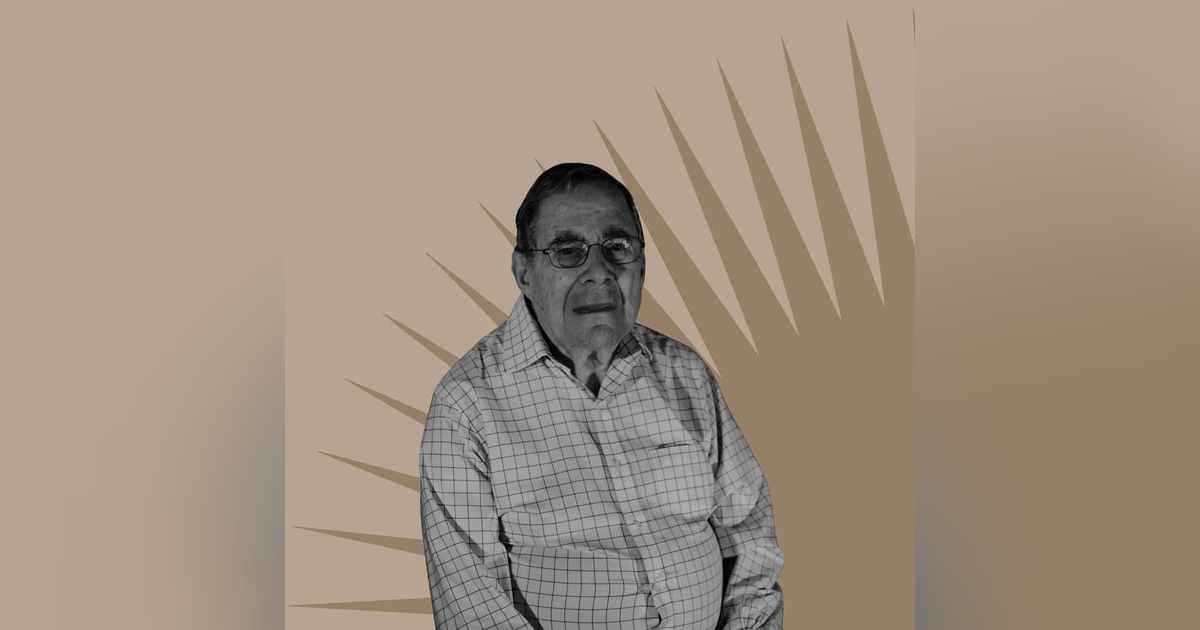



“Millions of people have gone out and said, ‘Stop, don’t do that.’ And that is a wonderful thing.” — Peter Edelman
We are in Washington DC this week, in search of America’s heart. And there may be no better guide than Peter Edelman — one of the few remaining members of the Bobby Kennedy braintrust. Edelman was a close Kennedy aide from just after JFK’s assassination through the 1968 presidential campaign. He watched Bobby find himself after his brother’s death — grow from a man defined by serving JFK into the last progressive populist able to unite Black and white working-class Americans.
Edelman’s personal and political stories are inseparable from Bobby. In Mississippi, on the 1967 senatorial trip where Kennedy saw firsthand what he called the “third world” poverty in the Delta, Edelman met Marian Wright — the civil rights lawyer who would become his wife. They married a month after Bobby’s assassination, only the third interracial couple ever to marry in Virginia.
“Let’s do something good,” Marian and Peter said to each other when they decided to get married.
Everything Edelman did afterward was connected with Kennedy’s vision of ending poverty in America. Especially when he worked in the first Clinton administration. But when Clinton converted federal poverty aid into block grants and the number of Americans receiving help dropped from seventeen to three million, Edelman very publicly resigned. Clinton needlessly and cruelly threw low-income people overboard, Edelman told me.
Has Edelman given up on Donald Trump’s America? No. Millions of citizens, especially in his native Minnesota, are speaking out. “Stop, don’t do that,” is his RFK-inspired mantra. Proof, Peter Edelman believes, that the American heart is still beating.
Five Takeaways
• Bobby Kennedy Was the Most Important Person in His Life: Edelman was Kennedy’s principal aide from just after JFK’s assassination through the 1968 presidential campaign. He travelled with him every day across America. He watched Bobby find himself after his brother’s death — grow from a man defined by serving Jack into the last progressive populist who could unite Black and white working-class Americans.
• He Met Marian Wright in Mississippi: Bobby Kennedy found a profoundly malnourished child in Cleveland, Mississippi. He also found Marian Wright — already one of the most remarkable civil rights lawyers in the country. Edelman and Wright married one month after Bobby’s assassination. They were the third interracial couple to marry in Virginia. “Let’s do something good,” they said to each other after the killing.
• Trump’s Picture Hangs on the Building Bobby Once Ran: The Department of Justice building in Washington is now named after Robert F. Kennedy. On it hangs a large picture of Donald Trump — almost dictatorial in feel. Edelman says Bobby would call him out, just as the millions of Americans speaking out are doing now.
• He Broke with Clinton Over Poverty: Edelman and his wife had known the Clintons for years — Bill and Hillary stayed at their house. But when Clinton converted federal poverty aid into block grants, the number of Americans receiving help dropped from seventeen million to three million. Edelman resigned. He threw low-income people overboard, Edelman says. He didn’t have to.
• Stop, Don’t Do That: Millions of Americans are speaking out against the current administration. That, Edelman says, is a wonderful thing. It’s the clearest articulation right now of what it means to be an American. Stop, don’t do that. Bobby Kennedy would have said exactly the same thing.
About the Guest
Peter Edelman is a professor at Georgetown University Law Center. He served as principal aide to Robert F. Kennedy and in the Clinton administration. He is the author of So Rich, So Poor: Why It’s So Hard to End Poverty in America. He is married to Marian Wright Edelman, founder of the Children’s Defense Fund.
References:
• So Rich, So Poor by Peter Edelman — his book on poverty in America.
• Episode 2849: How Stories Can Save Us — Colum McCann on empathy and storytelling. Kennedy’s method was the original version.
About Keen On America
Nobody asks more awkward questions than the Anglo-American writer and filmmaker Andrew Keen. In Keen On America, Andrew brings his pointed Transatlantic wit to making sense of the United States — hosting daily interviews about the history and future of this now venerable Republic. With nearly 2,800 episodes since the show launched on TechCrunch in 2010, Keen On America is the most prolific intellectual interview show in the history of podcasting.
Chapters:
- (01:11) - Introduction: looking for America’s heart in Washington DC
- (03:15) - Bobby Kennedy was the most important person in my life
- (04:44) - Trump’s picture on the Department of Justice building Bobby once ran
- (06:16) - Mississippi: meeting Marian Wright in the Delta
- (09:37) - The third interracial couple to marry in Virginia
- (11:23) - Married one month after the assassination: let’s do something good
- (12:11) - Cleveland, Mississippi: Bobby finds a malnourished child
- (13:38) - Are the Trump Republicans winding the clock back before civil rights?
- (15:08) - Everything I did afterward was connected to his thinking
- (17:08) - How Bobby became himself after Jack’s death
- (19:20) - The last man to unite the Black and white working classes
- (20:30) - The third son of one of the richest men in America
- (22:45) - The Ambassador Hotel: I was at home, it was three in the morning
- (24:44) - Would he have won? I think he would have made it
- (26:54) - Breaking with Clinton: he threw low-income people overboard
- (33:08) - Stop, don’t do that: where the hope is
01:11 - Introduction: looking for America’s heart in Washington DC
03:15 - Bobby Kennedy was the most important person in my life
04:44 - Trump’s picture on the Department of Justice building Bobby once ran
06:16 - Mississippi: meeting Marian Wright in the Delta
09:37 - The third interracial couple to marry in Virginia
11:23 - Married one month after the assassination: let’s do something good
12:11 - Cleveland, Mississippi: Bobby finds a malnourished child
13:38 - Are the Trump Republicans winding the clock back before civil rights?
15:08 - Everything I did afterward was connected to his thinking
17:08 - How Bobby became himself after Jack’s death
19:20 - The last man to unite the Black and white working classes
20:30 - The third son of one of the richest men in America
22:45 - The Ambassador Hotel: I was at home, it was three in the morning
24:44 - Would he have won? I think he would have made it
26:54 - Breaking with Clinton: he threw low-income people overboard
33:08 - Stop, don’t do that: where the hope is
[00:00:41] Andrew Keen: Hello everybody. We are in Washington, D.C. The show is on the road this week looking for America’s heart. And what better person to talk to about that than my guest today, one of America’s most remarkable figures: Peter Edelman. Long-time lawyer, professor, and writer. He was a principal aide to Bobby Kennedy and wrote the book Finding America’s Heart. Peter, welcome. Where do we look for America’s heart these days?
[00:01:21] Peter Edelman: That’s a good question. It is wonderful that people are still getting out and speaking up against this President. A huge number of people are saying, "No, we don't agree with them." That is where the heart is—in the people who talk back.
Minnesota Roots and the Delta Trip
[00:02:00] Andrew Keen: You were born in Minneapolis, Minnesota. I’m guessing you have a particular emotional response to the events there over the last few months?
[00:02:11] Peter Edelman: Very much so. It’s unbelievable that those killings could happen there. I think of Minnesota in a special way.
[00:02:45] Andrew Keen: You noted that after your family, Bobby Kennedy was the most important person in your life. Why?
[00:02:57] Peter Edelman: I got connected to him just as his brother was killed. I worked with him as he "became himself" after that tragedy. I learned so much from him; I think about him and how to do things to this very day.
[00:05:46] Andrew Keen: Tell us about that trip Bobby Kennedy made to Mississippi, where you met your wife, Marian Wright Edelman. Why was that trip so central?
[00:06:01] Peter Edelman: After losing his brother, Bobby made work for low-income people his major focus—especially people of color and Black Americans. My job was to go with him everywhere in the country. I became a completely different person because of those travels. It was in Mississippi that we saw the hunger firsthand. Marian was there working, and we eventually got married a month after Bobby was killed in 1968.
The Fight Against Poverty and the Clinton Break
[00:14:14] Andrew Keen: After Kennedy’s death, you dedicated your life to fighting poverty. Is that the primary lesson you took from him?
[00:14:38] Peter Edelman: Yes. When he died, I thought, "What do I do now?" Everything I did afterward was connected to his thinking. He cared about making things better for the person at the bottom.
[00:26:24] Andrew Keen: You were close to Bill Clinton and served in his administration, but you split with him very publicly over his welfare policies. Were you disappointed?
[00:27:08] Peter Edelman: I was. Hillary and Marian were very close, and the Clintons used to stay at our house. But the welfare law he signed changed programs for poor Americans by giving the power to the states. As a result, the number of people getting help dropped from 17 million to 3 million. I couldn't stay.
[00:29:16] Andrew Keen: Did he sell the heart of the Democratic Party?
[00:29:48] Peter Edelman: He did what he thought he needed to do to keep his job. He didn't have to hit low-income people like that, but he did.
Looking Toward the Future
[00:30:52] Andrew Keen: What do you make of the Obama administration? Was it closer to Clinton or JFK?
[00:31:26] Peter Edelman: Obama was the person closest to Robert in spirit, even if not every policy was perfect.
[00:31:52] Andrew Keen: Finally, have you given up on America? Where is the hope?
[00:32:38] Peter Edelman: Oh gosh, no. We are in a terrible situation, but millions of people are going out and saying, "Stop, don't do that". That is a wonderful thing. That is where the hope is.
[00:33:25] Andrew Keen: Peter Edelman, thank you for your time. It’s an honor.
[00:33:38] Peter Edelman: Thank you.
[Outro Music plays]
[00:33:48] Andrew Keen: Thank you for listening. Subscribe on Substack, YouTube, and Spotify. Let me know your thoughts in the comments.