Kill B-School? Chris Marquis’s Case for Abolishing the MBA
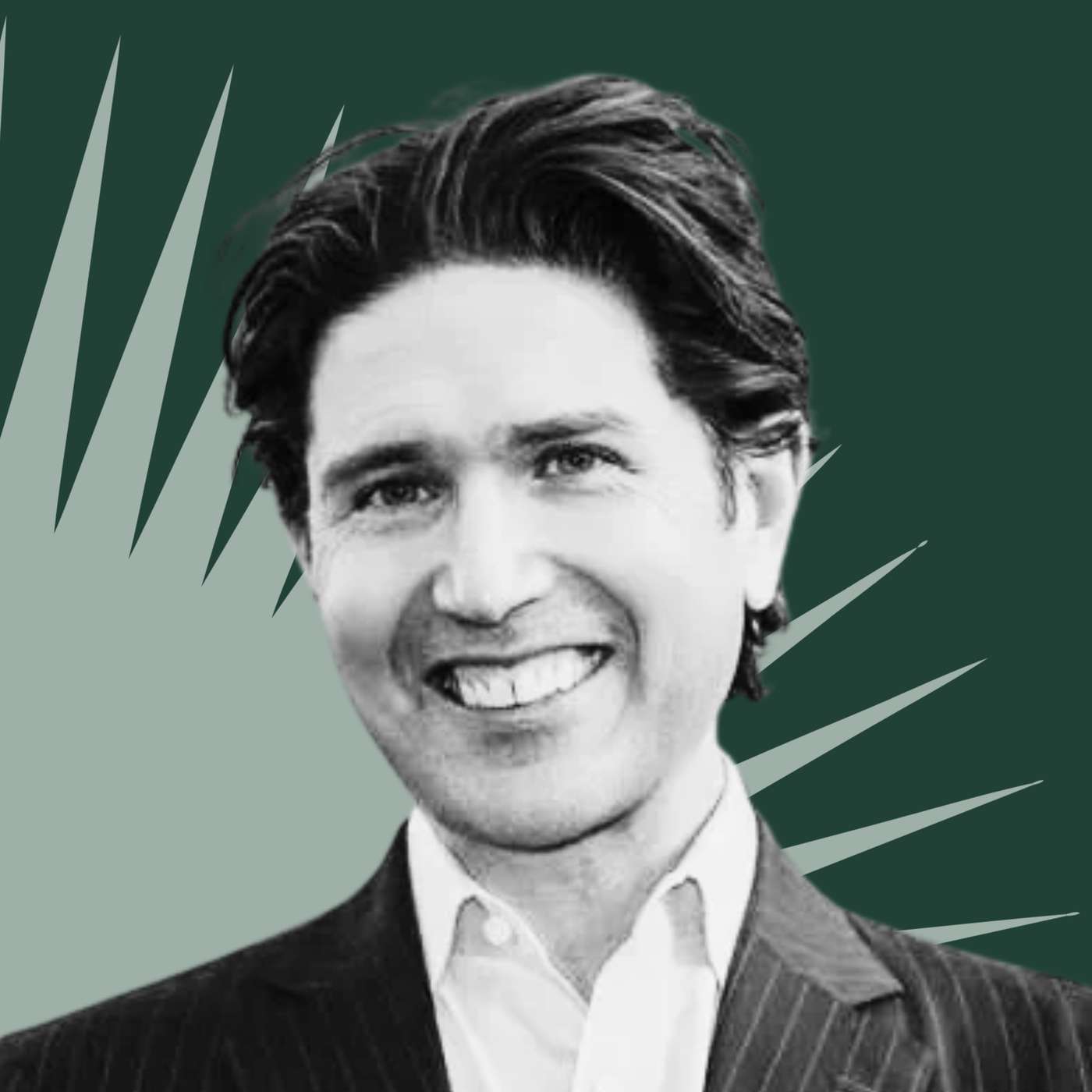


“They didn’t really ever create value for the company. They shifted value. They extracted value from the workers and communities and gave it to the shareholders.” — Chris Marquis
INTRO
You would expect the man publicly calling for the abolition of business schools to be a Bolshevik. But he is, in fact, the Sinyi Professor of Chinese Management at Cambridge Judge Business School. It’s a little like an angry cleric proposing the demolition of the traditional church. As the Martin Luther of the Business School world, Chris Marquis pinned his argument in the New York Times on 18 October. Its headline proclaims that “it’s time to shut them down”. But he means abolish. Kill the B-School, Marquis says.
His charge isn’t that MBAs are useless. It is that they are playing the game of bait and switch. Students arrive at B-School saying they want to change the world and, fourteen weeks later, their altruistic ambitions have narrowed to getting a corporate job and making money. Nobody lied to them. The system simply has its own indestructible logic. Faculty won’t change what they teach, and even if they did, the recruiting office is paid to slot people into the highest-salaried job it can find, because that is what the rankings reward.
And so, Marquis argues, we have created an economic culture of B-School-trained chief executives focusing on dividends and so cutting labor benefits and community investment. Rather than being created, value is moved from the workforce and community into the share price. It’s an MBA world and we are all poorer for it.
His fix is constitutional rather than curricular. He would replace the business school with what he calls a school for organizing. But what to organize? He’d like to see a new kind of economy mirroring companies like Patagonia (owned by a trust) or Mondragon (owned by its eighty thousand workers). A quarter of Denmark’s biggest firms are owned by foundations, he reminds us, and in Europe a public-interest director with a veto is unremarkable. So maybe we should just replace the MBA with a trip to Denmark. A bloodless way to kill the B-School.
FURTHER READING
• “I Teach at a Business School. It’s Time to Shut Them Down,” New York Times, 18 October 2026. The headline is the paper’s; Marquis wrote “abolish.”
• Marquis tells Poets&Quants what he would build instead — and the trade press rounds up the reaction, which is less hostile than you would guess.
• His books: The Profiteers: How Business Privatizes Profits and Socializes Costs and Mao and Markets: The Communist Roots of Chinese Enterprise.
• Eric Ries, Incorruptible: Why Good Companies Go Bad… and How Great Companies Stay Great — the governance argument Marquis leans on here.
ABOUT THE GUEST
Chris Marquis is the Sinyi Professor of Chinese Management at Cambridge Judge Business School, on sabbatical this term and moving to a chaired professorship in international business at Cornell in January. He spent a decade at Harvard Business School and a year and a half at the Kennedy School. He is the author of The Profiteers and Mao and Markets.
ABOUT KEEN ON AMERICA
Nobody asks more awkward questions than the Anglo-American writer and filmmaker Andrew Keen. With 3,000 episodes since the show launched on TechCrunch in 2010, Keen On America is a daily conversation about the ideas, books and arguments shaping the United States. New episodes every day.
00:00 - Intro
00:31 - A business professor calls for abolishing business schools
01:24 - The reaction: knee-jerk defensiveness, and 90 percent support
02:00 - Why this did not require courage, and what tenure is for
02:56 - Hypocrisy, or structural reality?
03:44 - Faculty will not change what they teach
04:30 - The recruiting staff and the ranking system
05:21 - Dysfunctional, a waste of money, or a scam?
05:44 - He wrote abolish, not shut down
06:29 - The global MBA is homogenized — Europe is no different
07:00 - Sold a bill of goods: mission statements versus placements
08:13 - Do students actually arrive wanting to change the world?
09:30 - The Harvard exercise, and what fourteen weeks did to it
10:30 - Hundreds of emails from people who could not name it
11:24 - Is this the contradiction at the heart of capitalism?
11:43 - Medicine has health, law has justice, business has profit
12:40 - The win-win was invented to square that circle
13:00 - Do business schools just mirror the values of the age?
13:37 - Gordon Gekko, Ivan Boesky, and a speech at Berkeley
14:04 - The business school as socializing mechanism for neoliberalism
15:03 - Two years of catching your breath and building a network
16:09 - Would you not be better off just starting the company?
16:40 - The study: what happens when an MBA becomes chief executive
17:53 - The Profiteers, and privatizing profit while socializing cost
18:39 - Can a company be structured to resist the pressure?
19:22 - Mondragon, and eighty thousand worker-owners
19:50 - Denmark, Novo Nordisk, Carlsberg, Bosch, Zeiss
20:05 - On not sounding too MAGA about European business
20:17 - Thiel’s flying cars, and why American capital funds apps
21:49 - ASML, and the most sophisticated machines ever built
22:50 - Barry Werth, American pharma, and the Wall Street problem
23:58 - What the US government used to fund
24:59 - The Jetsons, Reagan, and the end of fundamental research
26:20 - But did AI not come out of Google?
26:30 - Thiel on monopoly — should business schools teach it?
27:04 - What entrepreneurs are actually motivated by
28:01 - Early Musk, and believing in the mission
28:13 - Google, the National Science Foundation, and Sergey Brin
29:15 - Is it unfair to attack Brin over the billionaire tax?
30:05 - Buying influence, and undermining the democratic process
30:51 - Is the Kennedy School different?
32:00 - Mao and Markets — have the Americans gone soft?
32:24 - The middle income trap, and what China cannot buy
33:56 - Bill Gross, the hope machine, and free AI business ideas
35:08 - Does AI make the MBA pointless?
36:22 - Why this might matter most in the developing world
37:02 - Can business schools reinvent themselves?
38:00 - Enron, the financial crisis, ESG — none of it worked
39:10 - The ship of Theseus, and replacing every plank
39:33 - Who should students want to emulate?
40:48 - Eric Ries and Incorruptible
41:16 - Benioff, Schulman, and the hypocritical CEO
42:22 - The gravity of the financial system
44:04 - Anthropic, OpenAI, and money set aside for the public good
45:29 - The public benefit corporation, and the golden share
46:52 - What happened at OpenAI when the guardrails were tested
47:48 - Closing
00:00:31 Andrew Keen: Hello, everybody. There was a very interesting long op-ed in the New York Times a few days ago about shutting down business schools by my guest, Chris Marquis. You'd think he would be a Bolshevik or a democratic socialist, but he's actually a professor of business at the University of Cambridge. He's the Sinyi Professor of Chinese Management, and he is joining us from New York City where he is visiting from Cambridge. Chris, are your friends at the business school still talking to you? I noticed that there was a piece about—I don't know if you saw it on MBA Watch about the business school world responding to Chris Marquis. Have you been, I use this word lightly, lynched by your business school colleagues?
00:01:24 Chris Marquis: No. I, you know, I'm—It's been a really interesting set of reactions I've gotten. Certainly, there are some folks that I think have a little bit of knee-jerk defensiveness, to be honest. And that's coming out in the—
00:01:40 Andrew Keen: To put it politely. I'm sure, you would put it slightly different if we weren't on the air.
00:01:46 Chris Marquis: That's certainly to put it, politely. I would say though the, you know, 90 plus percent of the reactions I've gotten are actually supportive and positive. A lot of these are coming from other faculty at business schools, praising me and telling me how grateful they are that I had the courage to say this. To be honest, I really didn't feel like this required courage. You know, we have tenure, and this is the kind of reason why we have tenure to speak out about things that, you know, we are—You know, we have issues with. So that's the first sort of set of folks, but also the general public, people that are working in businesses, a lot of business school students. Just about five minutes ago, I got an email from a student who's a second year student at a university in the Midwestern part of the US, you know, just going on about how, you know, relieved in some ways they were to see my piece because it really, you know, made them feel okay about how they were, experiencing the MBA program.
00:02:56 Andrew Keen: Yeah. I was really intrigued, by your piece. And in some ways, it resonated, but I'm not sure entirely. I've had a lot of business school professors on the show, and they're always talking to me about social justice and, business students need to be more responsible, more—Morally responsible and give back to society. And I've always been slightly skeptical. I mean, this is certainly one thing you address in this piece. Is it, Chris, is it just hypocrisy are these people making—I mean, anyone who teaches at business school makes very good money, although they could probably make more money if they were in, enterprise. But is it just hypocrisy, or are people
00:03:39 Chris Marquis: Well
00:03:40 Andrew Keen: by some—By structural realities that they can't avoid?
00:03:44 Chris Marquis: Yeah. I appreciate you mentioning that structural reality point because I think that is really the—It's the crux of the issue. And I think this is—It's so interesting. You know, the negative—If you were to sort of call them negative responses I've got, I have actually been a little bit disappointing, to be honest, because, you know, if you read them, what they say is, oh, yes. You know, Marquis was right about this. He was right about this. Okay. You know? But, you know, here, we do it this way. And it's all about, you know, them trying to justify what they are doing. And I'm sure that with the—Some of the things they're doing are great. I'm not disparaging any individual. But the way the system is set up with, you know, in some ways, faculty don't wanna change what they teach, so it's hard to get any structural change in the curriculum. But if—Even if there are structural change in the curriculum, you know, the recruiting staff want to slot people in to the highest paying jobs because the ranking systems, that's what they favor. And there's a number of other structural features that just make it very, very hard for students. You know, they come in. These universities, like the faculty that you've had on your program, they say they're gonna help people redefine their career to have an impact, to have purpose, and they get in, and that's actually not what is the focus. The focus is on channeling them into basically the easiest high paying job that the recruiting staff can get them into.
00:05:21 Andrew Keen: So is that the basic argument in this piece? "I Teach at a Business School. It's Time to Shut Them Down." Are you suggesting they're dysfunctional, waste of money, a scam, or in [unclear]—or all—all the above?
00:05:34 Chris Marquis: All of the above, to be honest. And, you know, that, headline has caused me a little bit of,
00:05:44 Andrew Keen: It's always you. Don't blame the editorial, the editors. They—People always blame editors for their—
00:05:51 Chris Marquis: So here—Here's what I'll say. I'm not—So I did not say to shut them down. I used the word abolished, abolish. I am very happy to stand by the word abolish.
00:06:00 Andrew Keen: Well, abolish and shut down, Chris. They're not very different, are they?
00:06:04 Chris Marquis: So here is where I see the
00:06:07 Andrew Keen: Okay. But before we—And I keep on interrupting because it's such a provocative subject. Before we get there, lay out what you argue in this book. What—What's the problem with—business schools, particularly in America? You're American, but you teach at a Cambridge—University of Cambridge business school. So you're familiar with European business schools too. What—What's their big problem?
00:06:29 Chris Marquis: And I would say that the, you know, I would—My—You know, the global MBA environment is relatively homogenized. I think the European schools are not that much different than the US schools, to be honest. So it's a global issue. So two things I think that I wanna highlight. You know, one of which I've already brought up. So, you know, I think that we're doing a huge disservice to many students. They come in and they, expect—They've been sort of sold a bill of goods. They're—You know, if you look at the mission statements and the marketing and recruiting materials of MBAs. It's all about, you know, you're gonna change the world, positive impact, you know, etcetera. But that's not actually what the business school system is aims to sort of help students achieve. And, you know, I'm very passionate about, you know, topics like sustainability, you know, and relate to that. But it's a bigger issue because, you know, let's say you come in and you had a career in consulting and you wanna transition over to advertising. Well, there's actually a lot of incentives to not help you transition to advertising because, well, advertising probably pays less than consulting. But then also, you know, you have that consulting background and experience. And consulting background experience plus an MBA means that you can actually go to a consulting company, go to some, you know, manufacturing company, etcetera, and actually make a lot of money. And it's actually a lot easier for the recruiting staff to, you know, find those type of jobs. And so I think it—So one issue is that in—I think the students are dramatically [unclear]—You know, deserve. And this is the—
00:08:13 Andrew Keen: Let me just—Yeah. And it—It's really interesting. Let me jump in here. I mean, you get the same language, and, again, you know this better than I do get the same language at law schools and many other professional schools, probably medical schools as well. So I'm not sure business school is particularly responsible. But I'm cure—My—I'm curious. These business schools are very good at—I mean, if they're good at anything, they're good at marketing. They're good at knowing—what students want to hear. So, Chris, do students—Most students who go to business school, are they wanting to make the world a better place? Are they going as social entrepreneurs rather than as greed is good types? I've never even contemplate going to business school. I'm sure I would never get in. I can barely add up. But I always assume the key—People who wanna make the world a better place would do PhDs in public policy or sociology or history or philosophy. So are the majority—I mean, you're a I see. Business school professor. Are you—For the—When you teach a first year class, when you meet your kids for the first time, and then often they're not kids, many of them are middle aged, have they come to business school to make the world a better place?
00:09:30 Chris Marquis: Certainly a lot of them have. I mean, this is not—I'm not saying this is the vast majority of them, but there is a solid percentage of them that actually wanna make a difference in the world. And I think this is something, you know, as I was trying to get this, the paper, the essay into the Times, that actually the Times editors, you know, actually were questioning too. You know, one piece—One thing that really stuck out to me, you know, earlier in my career is when I was at Harvard Business School. We had students write, sort of down—Write down in the first couple days, you know, what is your aspiration in life, and, you know, how will the MBA help you get that? And it was tremendously inspiring and ambitious things that they were talking about. Fourteen weeks later, actually, at the end of that course, I revisited those with the students, and they had changed. The majority of them had changed dramatically, and their ideas had really narrowed. So, you know, the Times editors, they actually—I think we're surprised at the response they've been getting, and they said, wow. We really could not believe how many people have written in saying this is exactly the process I went through that actually, you know, in some ways, very unsettled by it. This has been a lot of the responses I—I've been getting from people at hundreds, literally hundreds of emails that they were disappointed. They felt very unsettled about their time, but they couldn't put their finger on it because, you know, they were in this culture where they were doing what was seen as legitimate and appropriate in that culture and didn't realize that actually they were in some ways being misled. So in my—In this essay, they said, you know, literally—Yeah. Literally, hundreds of people have emailed me about this that my essay helped understand—Them understand that.
00:11:24 Andrew Keen: But it—Does that reflect a fundamental contradiction, maybe the hypocrisy of American capitalism or global capitalism that is always presented as this win-win game where, business success is reflected in society when often the reverse is true?
00:11:43 Chris Marquis: I totally agree with you. I mean, this is something I do talk about in the essay that, you know, I think the business schools have had a challenge. I mean, you know, compared them a little bit to medical schools and law schools, and I talk a little bit about that in the essay. You know, people have pointed out to me, which I really appreciate in some comments, subsequent that actually—Yeah. Law schools and medical schools are just—You know? I don't know. They're just as commercially oriented as business schools, but certainly, you know, there's a lot of commercial, logics in there. But if you look back to the founding and there's, you know, some really interesting research on this on the early professional schools that actually the business school founders and professors really struggled with what the mission of the business school would be because, you know, in medicine, it's about health and well-being. You know, law is about justice. You know, business is about private profit. It's not—There's not a public purpose. And so this win-win was in many ways created to try to square that circle. And I think that we are now understanding, you know, as a society that, you know, I don't wanna swear, but that's, you know, a bunch of BS. But
00:13:00 Andrew Keen: You're allowed to swear on this show. But isn't the business school then in a way just a mirror on social values in the eighties, in the—Or the nineties, the "greed is good" decades. Business school flaunted that. And now in a very different age where more and more people are questioning, neoliberalism and the nature of the globalized economy? Business schools reflect those values.
00:13:27 Chris Marquis: Well, I mean, my experience—I mean, a lot of the things I'm talking about go back twenty years. So I—You know, and this was, you know, the—I mean, the "greed is good", as you probably know, came about from a biz—From business school.
00:13:37 Andrew Keen: It was Gordon Gekko. Right?
00:13:39 Chris Marquis: Yeah. Well, the Gordon Gekko was a character in Wall Street, but he was modeled on Ivan Boesky. And Ivan Boesky gave a speech at, Berkeley's
00:13:49 Andrew Keen: business school. At of all places.
00:13:50 Chris Marquis: And actually—And during that speech is where that actually came from. So, Wolf and in
00:13:58 Andrew Keen: a—In movie terms, of course, The Wolf of Wall Street very much reflects those values or lack of values.
00:14:04 Chris Marquis: Yeah. But to be honest, I really—So I agree 100% that the business school is a really sort of fundamental driver and socializing mechanism of our neoliberal capitalism. And I do think that young people, and this isn't sort of Democratic Socialists of America members. This is people that have worked for a while, but they realize maybe they wanna do something with their life, and they see this marketing material from these business schools about how they're gonna—It's gonna help them change the world. And they end up being another sort of cog in the wheel of, you know, of neoliberal capitalist society. So I do think that there is sort of a bait and switch, going on. And I agree with you 100% that these are the kinds of institutions that help perpetuate the global order as it exists.
00:15:03 Andrew Keen: You write in the essay. It's an excellent essay, and, it's not too long, but it's long enough to be meaty. Talk about not just getting rid of business school themselves, but replacing the category. But I wonder whether one of the problems is that you mentioned a lot of people come mid career or in their late twenties, early thirties. They've run out of not things to do, but they've run out of runway in terms of their undergraduate degrees and aspirations and often go into business school is two—What is it? Two years?
00:15:36 Chris Marquis: It's two years or—So some places, it's one year. Some places, it's two years.
00:15:39 Andrew Keen: So one or two years of catching your breath, making—Building your network, having a bit of fun. Is that how most people go to business school? I mean, the my, again, rather perhaps knee-jerk reaction to all this is that you'd be much better off just starting your own business. Be an entrepreneur. Whatever you believe in, whether it's social entrepreneurship or for profit, just do it. Is there something you can really learn in business school about business?
00:16:09 Chris Marquis: Yeah. That's something I sort of struggle with. I mean, I think you're right. I think that actually, particularly, if people wanna do, you know, some—Start a business, some entrepreneurship, oriented. If they have idea—An idea, they should go for it. I mean, I don't think a business school degree is gonna help them with that. Certainly, there, you know, there are some technical skills that are very important. There's a, you know, variety of management processes that hopefully can help them. But, you know, the thing that I find very interesting and I talk about in the essay is, you know, there's some research, in economics where, a large set of companies were tracked that actually ended up hiring MBAs. These are—And they tracked these companies in the US. They tracked these companies in Denmark. And they found that actually after MBA leaders were, you know, after the company switched to a CEO with an MBA or business degree, I think undergraduate business degree as well, you know, they ended up being much more shareholder value oriented. So, you know, they cut labor benefits. They cut focus in community and delivered more things like dividends and other ways of sort of jacking up the stock price. So they didn't really ever create value for the company. They sort of shifted value. They extracted value from the, you know, workers and communities and actually gave it to the shareholders. And so this tells me that they're learning something in business school. And, you know, and it's a set of ideas around what the appropriate, distribution of capital is.
00:17:53 Andrew Keen: You wrote a book a couple of years ago, The Profiteers: How Business Privatizes Profits and Socializes Costs. So you—You've been aware about this. You've been aware of this contradiction, maybe the hypocrisy of business school for a while. Might there be an alternative argument, Chris, that's the way to make money? And if you wanna give it away, be like Bill Gates, or Andrew Carnegie. Spend half your life making a fortune and the second half giving it away. I mean, are there examples of ethical, successful entrepreneurs? Whenever I have this conversation, people always cite Patagonia. But there are very few other companies that really work, aren't there?
00:18:39 Chris Marquis: Yeah. I—And I think a challenge is that, you know, the same thing with the business school that the way the structures of capital are set up, so to speak, it makes it a challenge to actually operate your company effectively. So you take on outside investors. You know, the outside investors push you to cut costs and, you know, basically, so they can ex—They can have more of return. You know, I do really believe that there are ways that companies can be structured to avoid some of those pressures. That is a lot of what I'm studying now. So different types of ownership. Patagonia is an example of that. They're owned by a trust. There's a variety of other, you know,
00:19:22 Andrew Keen: employees in Spain. What's the cooperative in Spain?
00:19:25 Chris Marquis: Mondragon. Right.
00:19:27 Andrew Keen: I mean—And they may not be something that—
00:19:30 Chris Marquis: Yeah. So Mondragon is a great example. It's a coop. It's a big comp—You know, huge company. It has lots of different branches. I think about 80,000 employees. There's a, you know, there's a lot of companies around the world that trust- and foundation-owned, like the Patagonia example. But in Denmark, like, a quarter of the largest companies are owned from Novo Nordisk to Carlsberg to, you know, a lot—You know, you look in Germany, Bosch, and Zeiss. A lot of the very successful European companies actually are owned, you know, not in the way that we own companies in the US.
00:20:05 Andrew Keen: [unclear]. Chris, I don't wanna sound too MAGA here, but the idea of a successful European company, especially when you compare it to successful American market.
00:20:17 Chris Marquis: You know, I don't wanna get too political, but I think that the sort of denigration of your—You know, certainly, I mean, Europe has a lot of structural problems, but there are a lot of very successful, innovative companies in Europe. You know, you have the situation in the US. You know, Peter Thiel has this famous saying, you know, I was hoping for flying cars, but I got 140 characters. And he doesn't really—I think is not reflexive enough to think or realize that actually the short term, profit venture model that funds things like apps and social media where there's not—It's a light capital investment, where they can get a profit very quickly. That is what drives innovation in the US towards these minor things. You know, you look at Europe. I mentioned Novo Nordisk. Actually, you know, the GLP-1s that came about because they were much more long term thinking. Probably another company would have shut down that—Their research on that. You know, whether that's a great thing for the world, we can—You know, that's another debate. But another company that is actually much more fundamental, is ASML, you know, which makes probably the most sophisticated machines that have ever been made in human history.
00:21:49 Andrew Keen: This is a Dutch company. Right?
00:21:50 Chris Marquis: This is a Dutch company. And they—And this is a company that I've studied a bit. I'm actually in Amsterdam this term on sabbatical for this reason, where they have a much more long term embedded in their supply chain relationship. They're not trying to short term extract value, but actually create very deep relationships with other companies. And here they have, you know, it's exactly what Peter Thiel said. You know, in the US, we have Meta and, you know, and other, you know, Google, which, you know, Google has a lot of, technology, and certainly the open—The OpenAI and Anthropic have a lot of, innovations too. But I think that, you know, European innovation and the success of European companies has been, you know, I'm sort of unfairly treated in the—By the MAGA universe.
00:22:50 Andrew Keen: Although, Chris, we did a show, recently with Barry Werth, who's a historian of American pharma. And he has a new book out called—I'm not sure if you've seen it. It's a really interesting book. It's called The Age of—it's called The Age of Cures, in which he argues that the American pharma industry at the beginning of the twentieth century essentially, saved, I don't know, millions, tens of millions of people's lives. But the problem with American pharma is that it's got bound up in, and the subtitle of the book is How American Scientists Saved Your Life. The problem with America—With American pharma, like many American industries, including big tech, is because it's now controlled by Wall Street and Wall Street investment and quarterly earnings, it's no longer saving our lives. So you mentioned Novo Nordisk in Denmark. Are the Danes doing it better? What was it about the Danish economy that allowed Novo Nordisk to invent GLP-1s?
00:23:58 Chris Marquis: So here is the thing that I that I'm sort of suggesting, I think, connects this idea, this—Which I—This book sounds really interesting. I'll have to get a copy of it. You know, back in the, you know, forties, fifties, sixties, seventies, there was a significant focus on fundamental research, funded by the US government. You know, so many of the things that we rely on, you know, be it, you know, GPS or a variety of technology, cell phones, the Internet, you know, lots of things. Were—This—These were focuses of the fundamental research of the government. As a lot of that got privatized, after the nineteen eighties, you know, you end up having a situation where, you know, I grew up like about the same age as Peter Thiel. You know, you were watching the Jetsons, you know, this cartoon show where, you know, this guy take—Takes the spaceships around, flies home, and there's robots cleaning and making, you know—
00:24:59 Andrew Keen: I mean, [you] did watch too much science fiction growing up, did you? You weren't like Peter Thiel. [unclear]—
00:25:03 Chris Marquis: I was not like Peter Thiel
00:25:04 Andrew Keen: or Thiel or Musk who either watched science fiction or Lord of the Rings. I don't know what they
00:25:10 Chris Marquis: Well, I mean, yeah, I did—I was—I know. I was not sort of the same level of—That they were, I don't think. But the Jetsons was a cartoon. It was not a serious—That serious of a thing. It was not serious science fiction. It's—It was a cartoon, television program. But it did, I think, really encapsulate this idea that, you know, the US had gone to the moon. There had been all this fundamental innovation, and this trajectory was just so powerful that, you know, we were going to, you know, have all these advances. We were gonna, you know, who knows, cure whatever. But the thing is that when Ronald Reagan came in, not to oversimplify things, and cut a lot of government spending, cut back, you know, cut, you know, really eviscerated, the public, function in a lot of these areas. The US now focuses on things like apps because it's allotted through these private investment, and they want quick commercialization, and they don't wanna invest a lot like you would need to, like, go to the moon or to build something like ASML. So I think that—
00:26:20 Andrew Keen: I mean, that may or may not be true. I mean, I don't wanna get sucked into that, but, I mean, you could argue that AI came out of Google or certainly—OpenAI, generative AI.
00:26:30 Chris Marquis: [unclear: Google?]
00:26:30 Andrew Keen: And that was driven by profit, not for the public good. I wanna come back. You—You've mentioned Thiel a couple of times. Is—His book Zero to—Zero to One was very interesting, which he argued, for better or worse, that the natural impulse of any entrepreneur is and should be to try and gain a monopoly in their market. Is that wrong? Isn't that what everybody who goes to business school should be taught, how to become monopolists in their own industry so they're the most successful?
00:27:04 Chris Marquis: So I—To be honest, I mean, he—You know, I'm just a professor, you know, in my ivory tower. He's obviously, you know, sort of multibillionaire. So, you know, maybe he—Clearly people can say, you know, Peter Thiel must know what he's talking about. But my experience with entrepreneurs and research too is that people get into entrepreneurship and not to sort of become the next Peter Thiel. They have a passion about some issue or problem they're trying to solve. You look even at early Elon Musk. You know, he—The amount of money that he, you know, he basically almost bankrupt himself because he believed in and wanted to solve these issues around space technology, around cars. And, you know, obviously, you know, now that's sort of obviously paid off
00:28:01 Andrew Keen: Have you seen the movie, the four-hour movie about—
00:28:05 Chris Marquis: No. I've not seen it yet. I've not seen it.
00:28:07 Andrew Keen: It's a very—I've seen the movie. It's interesting. He's a very curious character, but go on.
00:28:13 Chris Marquis: Yeah. Yeah. But I—So I think, you know, but he—If you look at his—You know, he was someone who—He had a mission, of what he was doing. And I just use that example because, you know, this is what I find—People wanna have a purpose. They wanna have a mission. And that—You know, you look at Google, for instance. You know, we talked about Google. I mean, actually, Google was tremendously funded by, you know, National Science Foundation grants. I mean, the thing that I think is so sort of egregious and offensive actually is Sergey Brin, who is now, you know, spending hundreds of millions of dollars to block a, you know, billionaire tax in California. When he was funded by the National Science Foundation, the Google servers on Stanford's campus were funded by the US government. The amount of public resources that went into actually being—Providing a foundation for the advancements that were made, is tremendous, but just gets sort of forgotten. And now
00:29:15 Andrew Keen: Well, no. I mean, I—Look. I'm not—I'm the last person to defend Brin, but I'm not sure that's really fair. I mean, he pays his taxes. He could be against the California billionaire tax and not be a hippie.
00:29:28 Chris Marquis: Well, he can certainly be against it. That's great. But he is spending—So the fact that someone can spend hundreds of millions of dollars on advertising, on lobbying, on everything, it means their vote is more important and—Way more important influential than everyone else's. So, sure, he can vote how he wants. That is great. But the fact that he has taken it his personal mission to undermine the democratic process in my mind, I think, is wrong, particularly since he is someone who actually tremendously benefited from the public resources.
00:30:05 Andrew Keen: Yeah. Then I think Musk is an even better example.
00:30:07 Chris Marquis: Oh, yeah. But he—
00:30:08 Andrew Keen: He's not gonna be [unclear] on NASA. But—Chris, let's go back. I mean, this is a really interesting conversation. I hope you're gonna get a book out of this. But I wonder, you mentioned Harvard Business School, and I brought up schools of public policy and the Kennedy School at Harvard comes to mind. What's—Is there any difference between a place like the Kennedy School and Harvard Business School? Do you think that—I know you talk about, replacing business school with what you call schools for organizing. Would that incorporate places like the Kennedy School and maybe even law schools too?
00:30:51 Chris Marquis: Yeah. I think definitely there would need to be some overlap there. And I do think that the Kennedy School as an example—And I taught for a year and a half at the Kennedy School, so I'm relatively familiar with it. You know, it is a place that sees public mission at, you know, at its core. And public mission being, you know, originally—You know, it's now the Harvard—Called Harvard Kennedy School, originally the Kennedy School of Government. And it was about initially serving government, but, actually, as the leaders of the school realized that solving public problems takes more than just government. It takes NGOs. It actually takes a lot of maybe private sector and business oriented, work too. So they encompass a lot of the different sector involvement, cross sector involvement. So—Yeah. I mean, I think—I mean, no school is perfect. There's certainly issues with the Kennedy School. But I think this idea that, you know, we are a school that is set up to address the pressing problems of the day and we can do it through public sector, private sector, whatever, I think is, it's an—Yeah. It's a good model.
00:32:00 Andrew Keen: You're an expert on, your academic expertise is on China. You're the author of a successful book, Mao and Markets: The Communist Roots of Chinese Enterprise. Is there a kind of, I don't know, a Veblen-esque interpretation of what you're arguing that the Americans have gone a bit soft and that the Chinese know what business school is. It's to make profit and Americans are worrying about social good here.
00:32:24 Chris Marquis: Yeah. Yeah. Interesting question. I mean, I do think that, I mean, sir—Certainly, a lot of the Chinese public, you know, this is the classic, you know, middle trap, middle income trap idea where, you know, when a society has a lot of lower income people, these are people because they wanna have—The material issues are their dominant concern. You know, making sure they have health care, making sure they eat, making sure they have a good house over their head. Yeah. They're very driven and very, very pragmatic about that goal. But after societies reach sort of middle income and to get from middle income to high income actually require—You know, the general public requires more and different things. You know, they actually wanna have, you know, sort of much more fulfillment and actually much more, you know, safety and positive and, you know, sort of positive ex—External environment. So I do think that China has advanced a lot because of its focus on, you know, establishing material goods. But whether that continues to be an engine for it, I don't know. I mean, you can see there's a lot of tensions right now underlying the Chinese economy. They're, you know, high unemployment around various groups, a lot of problems in the real estate sector. So I think, you know, I don't think China is necessarily a good model.
00:33:56 Andrew Keen: Oh, recently, we had, my friend, Bill Gross, on the show. He's the founder of Idealab, one of the great innovators based in Pasadena. He just launched something he calls the hope machine [ed.: launched as Idealab.ai]. He put millions of dollars worth of tokens into, I think it was, Anthropic to come up with a collection of ideas about how to create AI generated business ideas. He's giving them away for free.
00:34:32 Chris Marquis: Oh, wow.
00:34:32 Andrew Keen: I wonder whether AI anyway is gonna change anything, and I wonder whether it's coincidental. The time of great upheaval, for better or worse, maybe that's a bit euphemistic in business schools and all professional schools. AI is destroying these places and questioning their value anyway. I mean, why would you spend a $100,000, $200,000 to go to business school for a couple of years when you can just get a monthly subscription on Anthropic or OpenAI or go to Bill Gross's new, hope machine and get all these ideas for free?
00:35:08 Chris Marquis: Yeah. I mean, totally. I think, you know, we talked to you a bit ago. You said if someone has an idea or is an entrepreneur, is going to business school the right thing? I mean, you know, probably, I would say not a good idea, you know, five years ago. Now I think it's even more not a good idea because there are so many tools that can really help you know, sort of build scale, iterate your business, you know, through the various AI. I'm not familiar with that initiative, but I'll certainly look into it. But I think you're right. I mean, I think that if someone just wants to build a company or some technology, I don't think business school is necessarily the right thing for them.
00:35:53 Andrew Keen: And Bill really focuses, at least in our conversation, on the fact that, the—These ideas that he wants to give away are gonna be particularly popular in developing world in the Middle East, in South Asia, Latin America, Africa. So, I mean, economics is, in some ways, still a zero sum game. So maybe that will create more social good than spending $100,000 or $200,000 to go to Harvard Business School.
00:36:22 Chris Marquis: Yeah. Definitely. I mean, I think if those that—I agree that does sound very promising.
00:36:28 Andrew Keen: So let's think a little more positively. You talk in the piece about not abandoning people, I guess, in a way, in our AI age where we're trying to figure out our value in a smart machine economy. Can business schools reinvent themselves, maybe change their names, replace the category altogether, schools for organizing? Can they focus on the human? Is that the message? Is that how shutting down traditional business schools might actually be an opportunity?
00:37:02 Chris Marquis: Yeah. And I do think, you know, business school—You know, in many ways, this is—You know, the shutdown language is something that a lot of people have seized on. And I think that, you know, you look at large business schools that—Where I've worked, you know, my whole career, you know, what do they need to do? And one of the reasons why I use the term abolish, it's because I—You know, there's been so many efforts to sort of reinvent the business school after Enron. We're gonna become much more, you know, sort of ethical after the financial crisis. We weren't gonna be so sort of sucked in by the short term, you know, sort of finance and security. In the two thousand tens through two thousand twenties, it's really a lot about we're gonna have ESG institutes and sustain—And sustainability, which have now sort of collapsed. None of those things have worked. I personally, at two of the schools I've worked, have been worked at, have been actively involved in various efforts to try to reform the curriculum to, you know, address these existential issues we have in the world. You know, climate change, inequality, you know, now sort of, I think, sort of a—Though—Those in the face of AI. So I do think—I mean, there needs to be a fundamental reinvention. We can't just say this is gonna be another initiative or another sort of set of changes. So for large schools, you know, there's this—As I was thinking about sort of parable, of the ship of—I think it's Theseus where, you know, all of the parts of the ship are replaced. And is it the same ship? Is it a different ship? And so I think if a business school, university is trying to think like, okay, we want to transition into an entity that actually has a public good at our core, like we claim to our students. What are the various planks that actually need to be replaced to actually—It'll still be an entity of the university, but, actually, the component parts would be entirely different.
00:39:10 Andrew Keen: So who would be the heroes? I mean, I'm not sure if you saw The Odyssey. He's presented as a kind of public interest hero, maybe a bit pre business school, back in Homeric Greece. But who should people be wanting to emulate? I mentioned, who's the guy at Patagonia?
00:39:33 Chris Marquis: Ian Chouinard [as spoken: Yvon Chouinard].
00:39:35 Andrew Keen: Right. And there are a couple of other characters. But should they be wanting to emulate politicians, public interest people? Who—If you want to be inspired to become like x, who should it be in order to also rearchitect, reinvent business school? Who should be the sort of the inspirational patrons of these new, institutions?
00:39:59 Chris Marquis: Yeah. Excellent question. You know, the there are a lot of businesses like Patagonia where, you know, they're focused on, you know, social or environmental good. You know, these are not organizations that—Where people know the CEO, yet. But, I mean, that is the kind of company that I—Where I think that, you know, they have a social mission that they—Where the business is really sort of an engine to accomplish that social good. So I do think those type of companies, and a certain individual that is sort of standing out leading them is not, yeah, coming to mind. But, you know, I don't know if you've had on your show Eric Ries. Do you know him?
00:40:48 Andrew Keen: Yeah. I've had him on the show, and he has a new book out on all this. But
00:40:52 Chris Marquis: Yes. No. No.
00:40:53 Andrew Keen: I'm not accusing Ries, who's the, also the author. He's best known for his, what is it, Lean business.
00:40:59 Chris Marquis: The Lean Startup. Yeah.
00:41:01 Andrew Keen: The Lean Startup. But some of these people—I'm not suggesting Eric is guilty of this, but some—Especially in Silicon Valley, so many of them are dubious. I mean, one who comes to mind is Marc Benioff
00:41:16 Chris Marquis: Sure.
00:41:16 Andrew Keen: The CEO of Salesforce. Salesforce [unclear]—A few years ago about Davos Man [ed.: Peter S. Goodman's 2022 book Davos Man, in which Benioff is a central figure], and Benioff was a [unclear]. Whereas, Benioff's always talked the good talk. And then in San Francisco and in—a year ago, he suggested that all the homeless should be rounded up and sent off to Nevada or something. So I don't wanna pick on Benioff because he's an easy target. But how do we address the fact that it's so easy to be a hypocritical CEO? The former CEO of PayPal, Dan Schulman, also comes to mind. He always—He always talked the good game, and then he left the company, and it collapsed after he left, and he walked away with a fortune. How do we deal with so much hypocrisy without turning it into a kind of, Stalinist, show trial culture where, Benioff or Schulman are sent to Siberia?
00:42:15 Chris Marquis: Yeah. And, you know, I mentioned the Eric Ries's book because I found it really very compelling. I'm gonna be inter—Interviewing him as well for my podcast of the
00:42:22 Andrew Keen: Yeah. And he came on the show, Ries to talk about that new book, a few [unclear].
00:42:27 Chris Marquis: Where I find his book helpful and compelling is that, you know, you look at someone like Marc Benioff or Sergey Brin or, you know, PayPal—The c—CEO PayPal. Schulman. They act—Yeah. Dan Schulman. You know, they have actually gone through a trajectory in their life where actually probably very publicly minded much earlier in their career. I know, you know, the Marc, you know, his founding of sales—Salesforce. You know, they, I mean, the—They set aside a bunch of capital. They actually put some business lines into their foundation. So the foundation could actually have earned revenue around—You know, they sold to education and nonprofit. You know, very unique, interesting, model, which I did a case study on actually when I was at HBS, interestingly enough. You know, this was right at the very beginning. And, you know, what Eric Ries sort of offers in his book, which I found very, very useful is that, you know, there is, like, these forces of gravity that occur around the, you know, the existing financial system that really pulls these people into bad places. And what, you know, the book—I—I'm pretty sure I've, you know, I need to really look at it in more detail, argues is that there's a variety of governance and other mechanisms that actually help protect entrepreneurs to not actually have that sort of gravity. So, you know, you mentioned earlier, you know, sort of forces of capitalism, and I think in part, you know, that's the underlying issue.
00:44:04 Andrew Keen: Finally, Chris, I'm curious as your take. This is such an important subject, and it has such direct real world, relevance. What's happening now in the AI economy, especially in OpenAI and Anthropic? Last few days—And indeed SpaceX. The last few days, Elon Musk promised to give away x billion to the American public in a Trumpian way, which no one's entirely sure what to make of. But more interestingly, I think, because there is a Trumpian quality to Musk. But Anthropic and Dario Amodei are interesting, and the Amodei recently came out—Or Anthropic recently came out and said that they were dedicating—I think it was 20% of the profit to the public good [ed.: Anthropic's announcement committed 5% of its stock to a new public benefit fund], whatever the public good is or public interest. What do you make of that? I mean, Dario Amodei is an interesting character. Again, divisive, very controversial, although I think—I certainly would trust him more than, well, certainly Musk or Sam Altman. Should we admire these people? Are they offering a kind of model for future business school in a weird way?
00:45:18 Chris Marquis: So, I mean, I agree with you. I mean, it seems from what I under—You know, from what I've sort of read and gathered, you know, we would trust at—Amodei more than Musk or,
00:45:29 Andrew Keen: Which is insane.
00:45:30 Chris Marquis: Yeah. You know, it—It's very interesting. I think a lot of these companies have incorporated as a public benefit corporation, which is a sort of structure that provides a little bit of the protections that Eric Ries describes, but it's only a part of it. So to me, you know, it's great that they're donating this money or sending this money aside. But if they really wanted to demonstrate commitment to the public good, they need to set up the guard—The governance, guardrails in their company to ensure that's actually what, you know, what they do. So, you know, as it stands, my understanding is they don't have that—Those, guardrails. And for instance, one of those, which a lot of companies, you know, in Europe, and a lot—Increasing a lot in the US have, you know, is like a public interest director that actually has a veto power. Some places called it a golden share. There's other names for it. And, actually, this is an individual or could be a council of people or a set of individuals that actually can say no. We're not gonna sell to this company or we're not gonna actually, you know, take on this market because of the public, you know, public interest.
00:46:52 Andrew Keen: And, of course, that played out disastrously when a couple of years ago at OpenAI where the public interest people tried to push—And he crushed them.
00:47:03 Chris Marquis: Yeah. It was a little different because that—They that was—They were a nonprofit, actually. So there's some corporate structures that help try to, I don't know, sort of within a traditional company, create, guardrails and mechanisms to, you know, in—Ensure the company is not just about maximizing financial return at the benefit of, you know, the communities and the general public, which I think, you know, nowadays, it's a—It's sort of fair game because I think the government has actually stepped back in significant ways too. And so hope—You know, we just have to hope that Amodei and Musk and Altman have our best interest at heart, which is a frightening thing.
00:47:48 Andrew Keen: Well, certainly, frightening if you think of Musk, probably Altman, less so Amodei. Right. Anyway, if you like what you're hearing with Chris Marquis, you could go to University of Cambridge at Judge Business School where he's a professor. Although, judging from, his latest piece in The Times, it's time to shut business schools down, so maybe, Chris is shooting himself in the foot. As always, Chris, [unclear] I really [enjoy] talking to you. These are enormously important subjects, and I hope, any thoughts of turning the Times piece into a book?
00:48:22 Chris Marquis: Possibly. I'm thinking about it. So thank you for—
00:48:25 Andrew Keen: If the book comes out, we'll definitely get back to you on the show, and there's so many other issues. Thank you so much. Great.
00:48:31 Chris Marquis: Thanks so much, Andrew.