Californian True Crime: A Killing in Cannabis
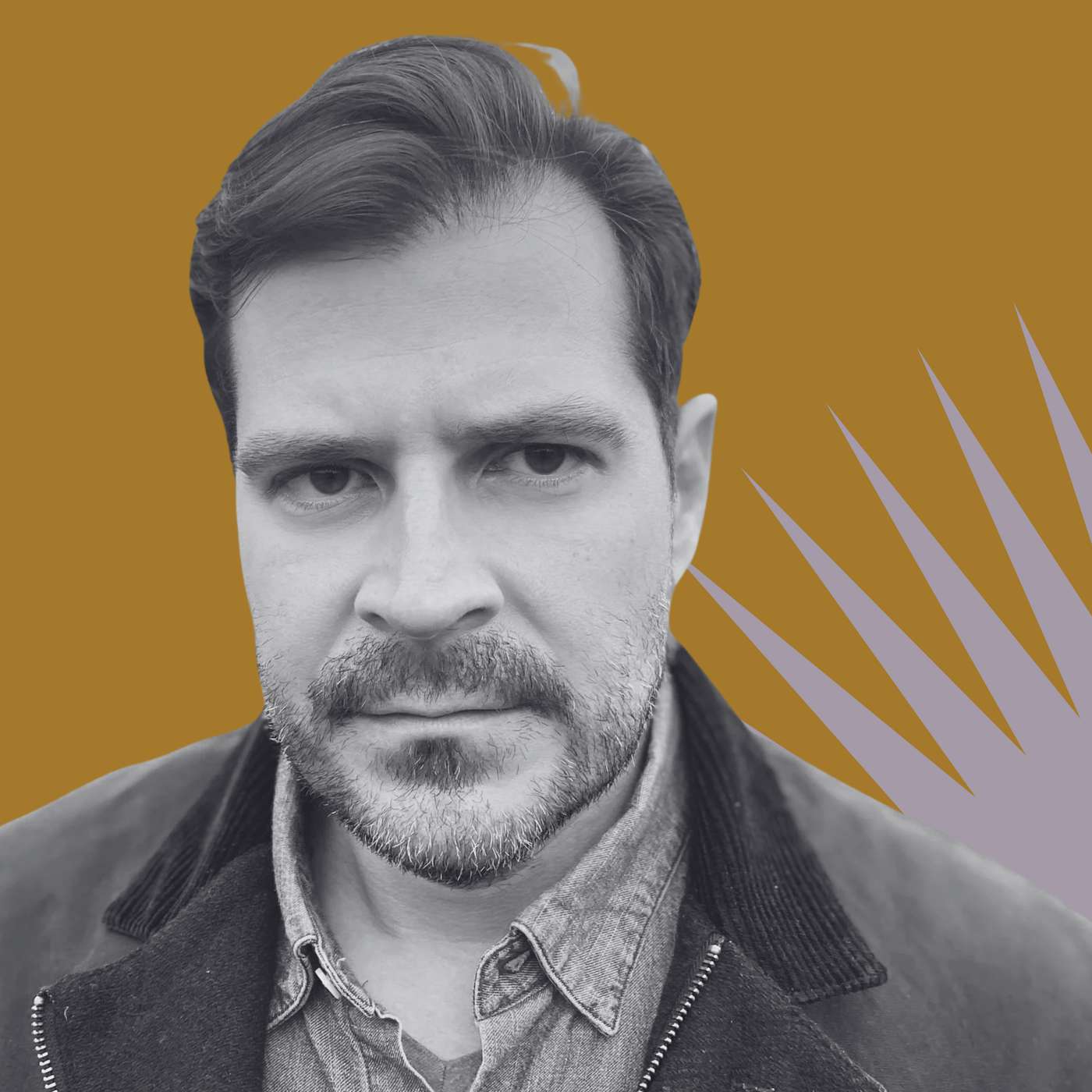


"The black market exists only because we decided that this form of trade should be illegal." — Scott Eden
In October 2019, tech executive Tushar Atre was abducted from his oceanfront home in Santa Cruz and found murdered on his own property in the redwoods — shot execution-style, hands bound. He had spent barely three years in the cannabis business. Scott Eden's new book traces how a charismatic Silicon Valley entrepreneur, seeking to "disrupt" the newly legal weed industry, found himself entangled with an array of colorful and dangerous characters — hippie do-gooders, black-market operators, and stone-cold killers. We discuss the permeable divide between legal and illegal cannabis, why the industry has been an economic disaster for most founders, and whether America's half-pregnant approach to legalization created the conditions for Tushar's death. A California story about ambition, love, and the darker edges of the American dream.
About the Guest
Scott Eden is an award-winning investigative journalist whose work has appeared in ESPN The Magazine, GQ, Wired, Inc., and The Atavist. His story "The Prosecution of Thabo Sefolosha" won a 2017 New York Press Club Award and a National Association of Black Journalists award for investigative reporting. He is the author of Touchdown Jesus (Simon & Schuster, 2005) and the new A Killing in Cannabis.
References:
People discussed:
- Tushar Atre — tech executive and cannabis entrepreneur; murdered October 1, 2019
- Rachael Lynch — cannabis grower from the Emerald Triangle; Atre's business partner and lover
- Ken Kesey — author of One Flew Over the Cuckoo's Nest; Merry Pranksters; La Honda cabin in the Santa Cruz Mountains
- Sean Parker — Napster founder, early Facebook investor; bankrolled Proposition 64
- Travis Kalanick — Uber founder; comparison to Atre's brash, edge-seeking style
- Tony Hsieh — Zappos founder; tragic death; Silicon Valley hipster executive archetype
Places:
- Pleasure Point, Santa Cruz — oceanfront neighborhood; famous surf break; Atre's home
- Emerald Triangle — Humboldt, Mendocino, Trinity counties; America's cannabis heartland
Legal and historical:
- Proposition 64 (2016) — California ballot initiative legalizing recreational cannabis
- Proposition 215 (1996) — earlier medical marijuana law; the "215 era"
About Keen On America
Nobody asks more awkward questions than the Anglo-American writer and filmmaker Andrew Keen. In Keen On America, Andrew brings his pointed Transatlantic wit to making sense of the United States—hosting daily interviews about the history and future of this now venerable Republic. With nearly 2,800 episodes since the show launched on TechCrunch in 2010, Keen On America is the most prolific intellectual interview show in the history of podcasting.
Chapters:
- (00:13) - America's war on drugs
- (02:03) - The victim: Tushar Atre
- (05:27) - Prop 64 and the gold rush
- (08:15) - The counterculture connection
- (11:13) - The permeable divide
- (14:43) - Tech bros living on the edge
- (17:10) - Steve Jobs, Burning Man, and weed money
- (18:07) - The murder
- (20:06) - Rachael Lynch
- (22:39) - Economic collapse
- (25:31) - Half-pregnant prohibition
- (31:45) - The paranoia problem
00:13 - America's war on drugs
02:03 - The victim: Tushar Atre
05:27 - Prop 64 and the gold rush
08:15 - The counterculture connection
11:13 - The permeable divide
14:43 - Tech bros living on the edge
17:10 - Steve Jobs, Burning Man, and weed money
18:07 - The murder
20:06 - Rachael Lynch
22:39 - Economic collapse
25:31 - Half-pregnant prohibition
31:45 - The paranoia problem
0:00 Hello, my name is Andrew Keen. Welcome to Keen on America, the Daily Interview Show about the United States. Hello everybody. Uh, people always talk these days about profound change in America, but I wonder whether some things have stayed the same. Certainly our fetishization of drugs and the war on drugs, uh, Trump of course, invaded, uh.
0:46 Venezuela, at least for a day in the name of drugs. He has a war on Fentanyl. And the more it seems to me as if we talk about the war on drugs, the less we know. My guest today has a new book out, not in theoretical terms on the war on drugs, but a, a book about a killing in cannabis, which in some ways brings, I think a lot more enlightenment to the complicated subject of. Drugs, illegal and otherwise in the United States. Um, my guest is Scott Eden, the book, 'A Killing in Cannabis' has already got a rave review on the New York Times and he is joining us from, uh, Chile, uh, New Jersey.
1:30 Uh, Scott, congratulations on the new book, especially the the New York Times Review. Thank you so much. Uh, I don't wanna get too theoretical with you, but do you agree with me that there's a lot of nonsense in America? Talked about drugs. Uh, yeah, I mean there's a lot of nonsense. Talked about, just about every subject, particularly drugs and these, this obsession with war on it of stopping it coming into the country and all the rest of it. Yeah, I mean, it's, it's always been, um, this whack-a-mole. I mean, really, is it ever going to be, I mean, staunched completely, no. Uh, and it's done. I mean, it's just, it's obvious that it's done more damage the war on drugs than, than problems.
2:12 It's solved. Um, and you know, the, the book that a Killing and cannabis focuses obviously on, on the, on the wheat business, which is somewhat different, which is supposed to be legal, right? So, so tell me the story. It's a remarkable story and of course. Like many remarkable stories. It's a true story. Yes, it is. Uh, yeah. And set in California, in Santa Cruz, California, and it takes place a beautiful Santa Cruz. We were talking about it before we went live. One of my favorite, I I'm in San Francisco, one of my favorite places outside San Francisco. It's, it's very much of the Bay Area, but, um. It's a story about, you know, and here's another part of the Bay Area.
2:52 It's a story of a tech executive who along, along with it was a whole wave of people from like the Silicon Valley kind of world, business world who decided to, uh, found cannabis startups when California recreationally legalized. Uh. In 2016 by, you know, by the, the plebe site, you know, the, um, voting measure in the same Trump year as Trump was elected for the first time around. But that, that like sparked this huge wave of people, you know, who would, would try to get then licenses to create cannabis companies. And, uh, the, the person at the center of the story, the ultimate victim of a, of the murder was a named Tushar Tre.
3:35 Yeah, he sounds like a rapper to me. Although, of course, um, he wasn't, or like many rappers, he ended up murdered. But that's another story. He was a, uh, you know, well-respected, um, by his peers, uh, cannabis, or not cannabis, a tech entrepreneur. He had had his own company re net. He was sort of, um, you know, uh, in, in the, in the internet side of, of the, of the business. He'd, he had come out to Santa Cruz. He was actually raised, born and raised. Not born, but um, grew up in Westchester County. Outside New York City, his mother up the road from you. Should we, should we not let East Coasters come to California? Are they, they're gonna turn into drug criminals of one kind or another?
4:15 Too late for that. I mean, people come to select, especially in the.com boom. People were coming from all over, you know, and there it's sort of a, a rep prise, right? Like, um. Here. He came to stand. He came to Santa, to the Bay area to participate in the.com boom, when he was pretty young. He's still in his twenties. Is he a good guy with this, this too Sha He, he looks a little like a ra. Certainly. He's not around anymore. He has the name of a rapper. Was he a classic bro entrepreneur? What distinguishes him from wave of wave after? Startup entrepreneurs that come to Northern California. He was an ind in of Indian American heritage. Um, his mother was, uh, and both his parents were from India.
4:56 He, his mother though, was a, kind of, was a really well known, uh, computer scientist, like a, like database engineering. And she worked for IBM for many years. And she, um, you know, kind of helped him create this company in, in the Bay Area when he was just starting out in the, in the nine, late nineties. And it was a, a company that's like one of the first to like design websites for corp for companies, many of which were Silicon Valley startups themselves. And so he was sort of in early on that. And his, his, oh, he was, uh, like the original Levi's in the Gold Rush. He was selling the picks to the miners, sort of, yeah. I mean, and, but he designed what his company designed websites essentially.
5:38 And then, you know, where it was sort of the marketing and design side of that, that first wave of internet. But it, the company, um. Was successful and was exists to this day. And he was running that and then, you know, made a lot of money, um, and did very well and then lived in Santa Cruz on, on the, on the, on Monterey Bay. It was a big surfer. And then like, like many others was drawn though when cannabis, uh, when. Finally recreational legalized in California in 2016. He had met along with many others, decided to saw a huge opportunity. I, is there a, a moral quality to this story? I mean, so far he sounds just another tech bro comes out, starts a web design company, successful lives in Santa Cruz, where many right of the tech community live and then sees a, a legal opportunity with cannabis, which, uh, as you know, was legalized.
6:31 So. W Where's the moral story here, Scott? Well, I mean he, in many ways, Tushar Wa was a kind of product of Silicon Valley. So the whole, he didn't have an MBA, but certainly he came from that R um, r Ruth, ruthless, you know, capital, you know, capitalistic, you know, we must disrupt, we want, we're always seeking the next giant opportunity. Um, and they saw that people like Tushar and guys like him saw that in cannabis. Cannabis legalization in California was, in many ways, you know, a kind of, it's, it's really the, the connections to the tech industry are deep. I mean, Sean Parker, you know, the, um, the Facebook early investor, the Napster guy, he was, he essentially bankrolled Proposition 64.
7:20 Prop 64. The, the ballot initiative. Yeah. I think, uh, Parker is also notorious for having his wedding in the, in the Redwoods and, um. Trashing the place up a little bit. Oh, I didn't know about that. Probably. Uh, there was some, some drugs involved there too. Um, so I, I'm guessing that the main character at the heart of your story, uh, Tushar used words like scale a lot. Did he wanna become the Yes. The Mark Zuckerberg or the Jeff Bezos of the, of the, of this new cannabis business? I mean, I, he certainly had ambitions to create. A sophisticated, um, cannabis company he chose, you know, there's these different sectors of the weed business you can grow.
8:02 Obviously it's just agriculture, um, retail. But he chose to get into manufacturing, which is essentially, you know, the creation of hash oil, where you're extracting the essential oil essential oils of the THC in, its in its purest form from the plant. It's sort of the, um, the air to the tradition of hashish making, which was taking the res, the high THC resins on the plant and creating a, a, a consumable s smokeable product from that, it's ancient, but this was, this is done in like a chemical, in a, in a lab, in a laboratory. And it takes, it's, if not done properly, it's dangerous. Um, so Tushar decided to get into that area and, you know, they, he had ambitions of, you know, create, you know.
8:46 Holding out until, you know, there's FDA approval for, for, for cannabis based, um, medicines. And so he was sort of angling to become, you know, and you know, the, the idea of isolating various cannabinoids, which is, you know, cannabis is a very complex substance filled with many different kinds of molecules that not, that are not well understood in addition to THC. And so he was really sort of going off into this, these, these, this kind of scientific. Angle, and this wasn't of course, new. I mean, I know in the book you talk about the intellectual genealogy, not just of Silicon Valley, but of this entire subculture. Ken Kei, of course. Yes. Who wrote One Flew Over as a Cuckoo's nurse, very much involved with Stanford in the area, very influential of his time.
9:33 Stewart Brand. I mean, this was in the water, in the air in Northern California, wasn't it? Big time. I mean, in many ways the cannabis industry we know today was given, you know, it was, was birthed by the counterculture of Calif in California in the sixties. And one of the, one of the epicenters of Count the counterculture was the Bay Area or the, you know, maybe. Certainly not just San Francisco, but um, Santa Cruz as well and yeah, and Ken and Casey, who was one of the founding fathers of the, of the and brand. They seem to be high most of the time. Kei. That's what, yeah. I mean they were iconic figure using everything and, you know, the, his writing cabin Ken Casey's was, uh, in, uh, LA Honda, which is in the.
10:15 Not in Santa Cruz County. It's in San Mateo, but still it's in the Santa Cruz mountains. In the nestled, in the Redwoods. It's in the sa, same region. And um, you know, that was the home base for the Mary Pranksters. The house band was the, became the grateful dead of Right. And, but Casey wasn't murdered Stuart brand still around living on his houseboat in the Yes. San Francisco Bay. Um, they were not in one of the Grateful Dead, were executed or murdered. Yeah. What happened to this, this, this, your, the, the, the hero or the anti-hero in your book, tohar. Why, why did he devolve or slide into one kind of criminality or another?
10:56 Well, I mean, the cannabis business, you know, it's, it's, it was just then emerging from prohibition, just when Tohar was, was getting into it. Or there's a slow evolution from total prohibition through the medical marijuana regime. To recreational legalization in California. But if you think about it as a national movement, you know, the state by state, you know, prohibitions are, are being eliminated and it's becoming legal sort of here and there, but it's still federally illegal. So I would still consider even now, and especially when Tushar was getting into the business, it was this chaotic time, like this prohibition that had been around for since the 1930s. Only partially ending. Right?
11:36 So you had, yes, you had people from outside of cannabis wanting to get into the, into the industry like Tohar. But then you had also people who had been involved in the black market for, for many years also trying to position themselves to go legit to get licenses. And so there's all of these people were scrambling to position themselves to take advantage of what they thought was gonna be this giant opportunity. So at the beginning you kind of had to deal with. Even if you wanted to do things totally a license and above board, there was no way to avoid not dealing with people who, who were in the black market, right? Organized crime. There's that famous moment in The Godfather when, um, there's a conversation about whether or not to go into the drug business.
12:22 Um, what was, uh. Was he associated, did he become involved with organized crime? I mean, the cannabis world is sort of just a little bit different than like the harder drugs. So organized crime is not quite as involved in weed as, uh, as cocaine or heroin. But it is there. I mean certainly the Mexican drug cartels got their start actually, um, selling cannabis. Selling weed brick, Mexican brick weed into the United States during the sixties and even before. So the, the organized crime groups that grew in Mexico out, uh, you know, to what we know today, kind of had their start as weed traffickers.
13:05 So yes, there is organized crime, but you know, it's a, it's a, it's a, it's a diverse world. You had like these kind of, um, hippie do-gooders who were creating patient collectives that, you know, uh, also were profiting on the black market. So is that organized crime? Not in the, you know, sort of popular sense, but I mean, they were, you know, many of these people became kind of pot tycoons on a very large scale. And they came out of the counterculture. So they were kind of like this almost hippie, gangster, um, type of, of, of operator in cannabis. Also, when, you know, recreational weed was just coming into play in 20 16, 20 17. So it was like this kind of, that's one of the reasons I was drawn to the book in the first place.
13:49 It's like this sort of diverse mixture of very colorful people. Yes. Put it, um, to put it euphemistically, colorful people. Is there. Is this very much of an American story? Of course, when we talk about prohibition, post-prohibition, we don't just think of the Godfather, we think of, uh, Gatsby, who apparently made his money, at least his fictional money in, uh, in alcohol, um, right. I mean, of course there are illegal drugs around drugs around the world. Do you think that the story you tell in a killing in cannabis, it's a, a true story? Is it very much of an American story?
14:30 I mean, it's it's pretty, it's pretty, it, it's, I consider it sort of, yeah, like an American kind of epic. I mean, uh, there are, you know, every country that has weed prohibition though, would be in a similar position. You know, I mean, many other countries that UK included, you know, it had a. Swinging seventies or the swinging sixties there, over there. And, uh, had it had its own, you start from somewhere. I mean, there were rumors that Joe Kennedy made his money originally in illegal Yes. Alcohol of one kind or another. Um, never proven. So for many of the great fortunes in America were founded, uh, around this gray area, shall we say, to speak euphemistically.
15:12 Right. I mean, I, I. That's another reason that, you know, the Silicon Valley and cannabis connections are intriguing. You know, guys like Tohar and some of the, um, bigger entrepreneurs in the Silicon Valley, like, I mean, they live on the edge, right? They're constantly seeking loopholes or weak points to exploit right? In order to, in order to make money. Um, and I think that Drew Tohar to weed to begin with in, in some way also is the, this idea of living on the edge. You know, he was a big surfer, loved, you know, had the adrenaline rush of, of going out and catching big waves, living dangerously.
15:57 And I, I, he reminds me a little bit, uh, I used to know a few years ago, Travis Knick, the founder of Uber. He is now somewhat disgraced. Um, I'm not sure how familiar you are with Kal Nick, but yeah, he was another arrogant, brash, but also brilliantly innovative character. Was Tushar likable? I mean, yes. He has, uh, I mean he, story after story of how charismatic he was and he has an extremely loyal friend group in, in Santa Cruz who, I mean, they loved him and there was a reason he was, to them, he was generous, kind. Sort of, um, dynamic, creative, you know, innovative. Innovative. Also, I mean, here he was, you know, um, innovating again with, uh, with, in the cannabis world, you know, so they, they saw this, um, this, this brilliant kind of business and, you know, uh, entrepreneur and founder, um.
16:52 You know, he, he was artistic, you know, soulful, you know, I mean, he was sort of like one of these kind of hipster, um, uh, uh, executives that, uh, the Bay Area has, did, did he, he, he sounds to me as if he had a kind of a Tony Sue quality. Tony Sue being the founder of Zappos, he made hundreds of millions of dollars from selling, uh, his company to Amazon, and he had a, a tragic death. Uh, he was very much involved. In the world of drugs as well. Did, uh, did uh, Tushar and Tony Sue, were they in any way associated, or was it that, just that sort of subculture? Yeah, don't, don't think so. Um, there are many connections though.
17:34 Yeah. Like I said, between Santa Cruz, weed, e going, even going back into the medical and prior times and tech, I mean, you had, uh, the, the a the, I talked to and, and, uh, one gentleman in particular who had been growing. Unlicensed weed on property he owns in the, in the mountains in Santa Cruz since the seventies. And his like chief clientele over the years sort of evolved from musicians and in the seventies through, and then in the eighties it became, uh, tech executives and founders who saw in weed away just to kind of chill out or to inspire their their minds. There's the Steve Jobs famous origin story where he came up with the idea for Apple with the age of.
18:18 Pot Wozniak famously saying, no, he didn't use any. Um, but there there's this Burning Man, you know, which was, uh, so an amalgam of artists and tech people out out of San Francisco. Many of the Burning Man installations were financed by Santa Cruz. Uh, pot business people. But again, I mean, all those things are true. Uh, jobs went to India and experimented with psychedelics. Yeah. Uh, burning Man has a cult following, although I'm think less so now, but none of that is necessarily illegal. I mean, Steve Jobs died a natural death.
18:58 So how did this devolve? I mean, this sounds like a standard story, ambitious. Yeah, entrepreneur, brash, confident, likable, charismatic from a tech background, already had one success. Probably believe that everything he did would inevitably successful. How did this turn into, uh, a story of murder? I mean, there was a very huge investigation, you know, so they find his body. So just briefly, uh, um, uh, Scott, what happened? Tell us the year. I mean, we don't want to give everything away. We want people to read the book, and it's a wonderful book, right?
19:41 I don't wanna, I wanna great reviews, but when was he murdered? What happened October 1st, 2019? And so he had been in the Candace business barely three years by the time when he was, when he was found, and he was abducted from his house by three assailants and then his body was found, um, on raw land that he owned in the can Santa Cruz Mountains. Not on the beach, no house on the surfer beach. His house was on the beach or on the, on the surf breaks in pleasure Point in Santa Cruz, which is a famous surf break. But yeah, his, he owned this property where there wasn't no, there were no buildings. Like I said, it was raw, undeveloped land and his body was found there.
20:24 And, but in sight, uh, you know, also on the land was a, was an unlicensed, uh, cannabis farm. So, I mean, that's an indication right there. And how was he shot? Was he strangled? He was stabbed and shot. So it was an unpleasant death. And, and what did the courts found? I know that one 18-year-old driver was convicted. Uh, have they found the people responsible? Yes. Uh, so I mean, there was a, a many month investigation. They eventually made arrests. I don't wanna give it, give away too much because there were many persons of interest and suspects, um, before they. Zoomed zoned in on the guys.
21:04 They eventually arrested. Um, but they were former employees of Thar's. I mean, I may have given that away. Oops. Um, but there were, there were, you know, dozens of people that, you know at first that investigators thought may have had a motive. So it was an inside job, or it might have been an inside job. I dunno. Um, somebody suggested that. Uh, he knew or somebody knew that he was gonna die. Did he, did he, towards the end of his life, did he recognize that he was in danger? I believe he did, yes. And, um, there's a whole, there's also a love story at the center of this. He decided, yeah, I wanna get to the love story.
21:45 Uh, and, and it wouldn't be a good story without, uh, uh, a woman, a beautiful woman, Rachel Lynch. Tell us about her. Yeah. Tushar met her right as he was sort of. I, you know, coming up with the idea to get into the weed business. Um, and he met her. She was, by chance she rented an Airbnb that he was, that he, his family owned, uh, in, in pleasure point. And, um, you know, he was smitten with her for quite early and then found out that she herself was in the cannabis or had been, she'd sort of semi-retired and can't come to Santa Cruz with her mother, who is uh. In the final stages of a battle with cancer.
22:26 So they kind of went there just to relax and be calm and in a pleasant climate. But Tushar met her and, and finally dragged out of her that she, um, had just finished, you know, being a three years or four years of cannabis cultivation in the Emerald Triangle up in Trinity County, which is very rural. Uh, but a, but a, you know, famous cannabis production area of California. Also mountainous in rep filled with redwoods, but she was, she had been growing black market cannabis there for a number of years. So Was she a plant do you think? To excuse the, the excuse the pun, A plant? No, I mean, she was, so this was just by chance.
23:09 By chance, but I mean, they decided to go into business together. And Tushar had his, you know, chemical extraction lab, you know, side that he, that was the, he had, was building this licensed lab. And then she, he just, they wanted to create like a vertically integrated company, but they decided riskily to, uh, to grow and they bought land specifically in the Santa Cruz mountains so that she could create a pot farm. But it was un unlicensed pot farm. Yeah. This word vertically integrated is, it's like scale. It's another of the Silicon Valley catch. It is, but actually in the cannabis business, it's, it's meaningful because, uh, the, another theme of the story is that the weed business turned out to be, not e not a humongous opportunity at all.
23:54 It was so, it's been so hard and there's been such, you know. My, most of the companies that were founded in that in the time when Cher was founded, his have gone out of business. It's been an enormous struggle, but the only companies that have, have found much success at all are those that both grow and are retail. Right. Or have Right. And I live in San Francisco and it's, I go down to the mission a lot. Live just up the hill From there, it's not possible to walk around the mission, which is one of the more fashionable parts of town without. Hmm. Walking past a, a legal weed shop. So someone's making money somehow. Scott, somehow, uh, the retail's probably doing a little bit better than cultivators or extractors.
24:36 The, the, the price collapsed, you know, not long after Thar's death. Um, which was kind of predicted because, you know, you have this end and essentially the end of a prohibition, the beginning of this new industry, there's gonna be overproduction. There was. But it colla, you know, there's so much weed that's grown in California that it, it collapsed the price sort of globally for, for cannabis, both extracts as well as the plant itself. Um, uh. But yeah, it turned out to not not be an easy business at all. And yeah, I know anyone who's been an entrepreneur in any sense knows that no business is ever easy, is there, if there is a parable in this story, we don't want you giving away all the secrets 'cause we want people to read the book.
25:21 Um, which actually looks, it's been marketed to look like. A packet of cannabis. That is the cover. That is the cover, yeah. Yeah. Brilliant. Cover. Uh, you might get some people who think they're buying weed and end up reading your book. Um, is the parable economic or moral, I mean, what, what are we talking about here? What can, apart from a good story or remarkable story, what are people gonna learn from, from, from this, this tale of, of love and murder and California and weed, uh, focused on, um. Uh, on Tohar atra. Well, hopefully they'll learn, you know, um, whatever great stories teach, uh, in this case, you know, it's about how Americans live now in, in, in business.
26:10 You know, it's about American ambition. You know, what, what lengths are people, uh, willing to go to, to, to seize an opportunity that they feel could be life changing? Um. I mean, did he break the law a lot, Ry and any number of times? That's right. I mean, he had to, he felt he had to do so in order to create the legal company. I mean, that's another theme is the symbiotic relationship between the black market in weed and the legal market as it's structured now. So it's a very gray divide. Well, they can't exist without each other. There's a divide, but it's permeable. You go back and forth, like most of the companies in California that are legal today wouldn't exist without the black, black market.
26:54 They can only keep the lights on by selling into the national black market. We still federally illegal. There's no interstate commerce that is, by definition illicit. To trade between states, isn, that good or bad? Are you suggesting in the book that maybe there needs to be either you go, I mean, I, I used to work with a guy who always used to have this phrase, I love it. He said, you can't be half pregnant. Is America trying to be half pregnant when it comes to the weed business? Oh, for sure. Yeah. That's, they're trying to have it both ways. It's just doesn't work. It's incoherent. I mean, I don't make any pronouncements. I don't, I don't like, yeah. What do I, I, I take your point in the book, but what do you think? Should it be fully. Fully federalized so that it's just, yeah, like anything else? Or should it be more illegal? No, it should be federally legal.
27:35 Federally legal. I think there should, or there should be some sort of carve out for interstate commerce. But it's hard. I mean, even alcohol that you can't still send bottles of wine between, uh, states. It's no. But I can buy a bottle of California wine in New Jersey. And you can't buy California weed in New Jersey? Not legally. Not legally, no. I can, it would be as if you could only buy Kentucky Bourbon, for example, in Kentucky. I mean, of course you could make a, uh, a bourbon like bo uh, uh, whiskey in New York state, but I mean, people would still want the Kentucky thing.
28:16 And they would, isn't that in a way they would be a black market, they're gonna get a, a Google or a Facebook or winner take all weed company that you're always gonna have local companies? I think so. Maybe on the retail side there would be a way to build like a giant, you know, operator if it, once it does become. Or you know, if interstate commerce becomes legal, I mean big Ag will take over too. I mean like the concepts of agriculture, big Ag will take over and it'll be much more efficient and the price will go even farther. Will will fall even farther than it has, you know, since California legalized as more and more calls to legalize psychedelics. We talked about Ken Casey, who.
28:58 Was one of the pioneers of psychedelics. What does your book tell us about that? To be aware of? Too much per permissive legalization or perhaps No, perhaps to push for more legalization. I mean, if anything, that to push for more. I mean, the black market exists only because we've decided that it, this, this form of trade should be illegal. Right. Um. But it does, I don't get into psychedelics too much into the book, you know? No, no. I take your point, but I'm talking in terms of broader lessons of the book, of your true story. Yeah. I mean, for sure. That would be one of them. Yeah. Like this sort of, um, how, why do black markets exist at all, and sort of figuring that out, like.
29:42 You know, I mean, obviously I know that these things need to be regulated though. Once they are legalized, people are taking them into their bodies. That's a whole other subject that is, that needs to be debated and clarified. You know, um, they were supposed, it was supposed legalization is supposed to have, um, increased the transparency of how. Weed is grown and, and there was supposed to be this whole, there is a, you know, testing regimes where they, we, we had, we know the potency, we know what's being used to create to in the, in the cultivation, but there's some evidence that suggests that, you know, pesticide use is even worse now that it may have been, you know, in the medical two 15 medical marijuana era.
30:28 So, I mean, it's really not succeeded. The whole thing probably needs to be rethought from the ground up. You describe in a, in a Rolling Stone piece that he was executed. Um, how have the police performed? Sometimes the police don't come out of these books looking very smart or very decent. Did the police come through? How did they respond to this murder? They, I mean, they did an exhaustive investigation. They came out pretty looking, pretty well, I mean, it was done by Santa Cruz County Sheriff's Department, which, um. There's, it was the, you know, homicide detectives, their own sort of small homicide detective unit that, uh, conducted the, the probe.
31:11 Um, and they, you know, it took, uh, eight months before an arrest arrests were made, but they, you know, they had a lot of suspects to get through. Um, and they found their guys, four of whom there were four eventually arrested. Three, have been on trial already. This fourth is, is like the trial I think is ongoing right now. So I wasn't able to finish the book before it was fully adjudicated the case. Scott, there was a killing, uh, another sort of assassination in San Francisco a couple of years ago of another prominent tech executive and all the, a lot of the tech people. Jumped to conclusions assuming that this guy had been murdered on the street by a drug dealer or some other crazy person.
31:57 As it turns out, it was an inside job. Was there a lot of par a after the death, what you call the, uh, the execution of mm-hmm. Uh, of, uh, Isha. Was there a lot of paranoia within the tech community about what actually happened in the tech community and the weed community? For sure. Um, I mean, there's just a lot of paranoia that saturates that world. Just, just organically. I mean, there's just paranoia all over because it's coming out of this, uh, uh, illegal, you know, uh. People had to be a fear legally from the police and, and they had to fear each other, uh, in the tech world too, like, you know, there were so many tech people getting into the cannabis business that they were encountering interesting people all along the way.
32:47 I mean, that's one of the reasons the murder, thar's murder interested me. The story of it was that it sort of opened a window into this secret world, you know, this kind of portrait of a community in this unprecedented transition. Out of the prohibition. So you got to meet, as you followed Thar's career in cannabis, he sort of had interaction after interaction with, uh, different levels of the cannabis industry. It's almost like a esque novel where he is moving through, you know, the levels of the society of cannabis and tech at the same time. Were you ever nervous researching? You did it extensively. I know you spent a lot of time in Santa Cruz talking to a lot of different people.
33:28 Were you ever. Nervous about researching and writing this book? At times, yes. Um, I mean, may, but on the other hand, maybe the kind of p the paranoia is contagious. You know, at times I felt like I couldn't decide whether the paranoia of other, some of the people that I was talking to was rubbing off on me, sort of irrationally, or whether it was rational to, to be afraid. I mean, I, at one point I did have someone say, you know, don't, don't dig too deep in this specific, um, this specific group of people. Don't, don't look too deeply. Don't try too hard to figure out what's going on there. And then of course there was pretty early on in the reporting of the book, I got a pretty explosive, um, tip that, you know, caused some nerve nervousness for sure, as I was trying to convince people to talk to me about it.
34:19 But also, you know, where, do you know how, I mean, who, do you know who you're talking to? Like there's this kind of. This kind of question always and through my mind is, is this person telling me the truth? Are they connected to this dangerous group in a way that I am not going to realize, you know, are, and they're not gonna tell the truth about it, right? Like, if it's such a dangerous connection that they could, didn't want, didn't want to divulge, right? And then, so I was constantly, but again, is this the paranoia of the community rubbing off on me? Or is it, you know, are they legitimate to these concerns? So I, I had to wrestle with that a lot. Did you ever turn to weed yourself? On occasion, there was a, well, finally, um, Scott, the book is already, as I said, being described as a, as a classic.
35:07 It's got some wonderful reviews. It's called a Killing in Cannabis. Is it a tragedy? Should we miss Tushar? Was he, uh, was he a good human being? Ultimately? I don't like to make moral, I mean, we're all complex people. He had his, he had his dark side and his, and his bright side. I mean, I think he was trying to change at the end, according to. A number of people I spoke with, he was aware of, you know, the ways in which he was behaving badly and was striving to change. So, I mean, that's a tragedy, right? Someone who's trying to make good but can't and then, and then it's over very American story then yeah.
35:47 Well, there you have it. Scott Eden, the author of A Killing in Cannabis. As I said, it's already big hit. Got great review in the New York Times, which described it as an exhilarating drug fueled true crime thriller. Very much suited for our age of true criminality. Uh, Scott, congratulations on the new book. Thank you, Andrew, and uh, good luck. I hope, uh, you don't get tracked down. I'm sure. I'm sure I'll be okay, but I appreciate it. Hi, this is Andrew again. Thank you so much for listening or watching the show. Uh, if you enjoyed it, please subscribe. We're on Substack, YouTube, apple, Spotify, all the platforms.
36:31 Uh, and I'd be very curious as to your comments as well on what you think of the show, how it can be improved, and the kinds of guests that you would enjoy hearing or listening to in future. Thank you again.